
As demand for scalable blockchain solutions grows, many projects face a common challenge: building and maintaining their own infrastructure is complex, time-consuming, and resource-intensive.
This is where Rollups-as-a-Service (RaaS) comes in — a model that simplifies the creation and deployment of scalable Layer 2 solutions, allowing teams to focus on building applications rather than infrastructure.
What is Rollups-as-a-Service?
Rollups-as-a-Service is a platform-based approach that enables developers to launch their own rollups without needing deep expertise in blockchain infrastructure.
Instead of building everything from scratch, projects can:
- Deploy customized rollups بسرعة
- Leverage existing infrastructure providers
- Focus on application logic instead of scaling mechanics
RaaS essentially turns complex blockchain scaling into a plug-and-play service.
Why It Matters
Faster Time to Market
Projects can launch scalable solutions quickly without long development cycles.
Reduced Complexity
Infrastructure management is handled by specialized providers.
Customization
Teams can tailor their rollups to specific use cases and performance needs.
Cost Efficiency
Avoids the overhead of building and maintaining independent systems.
How It Works
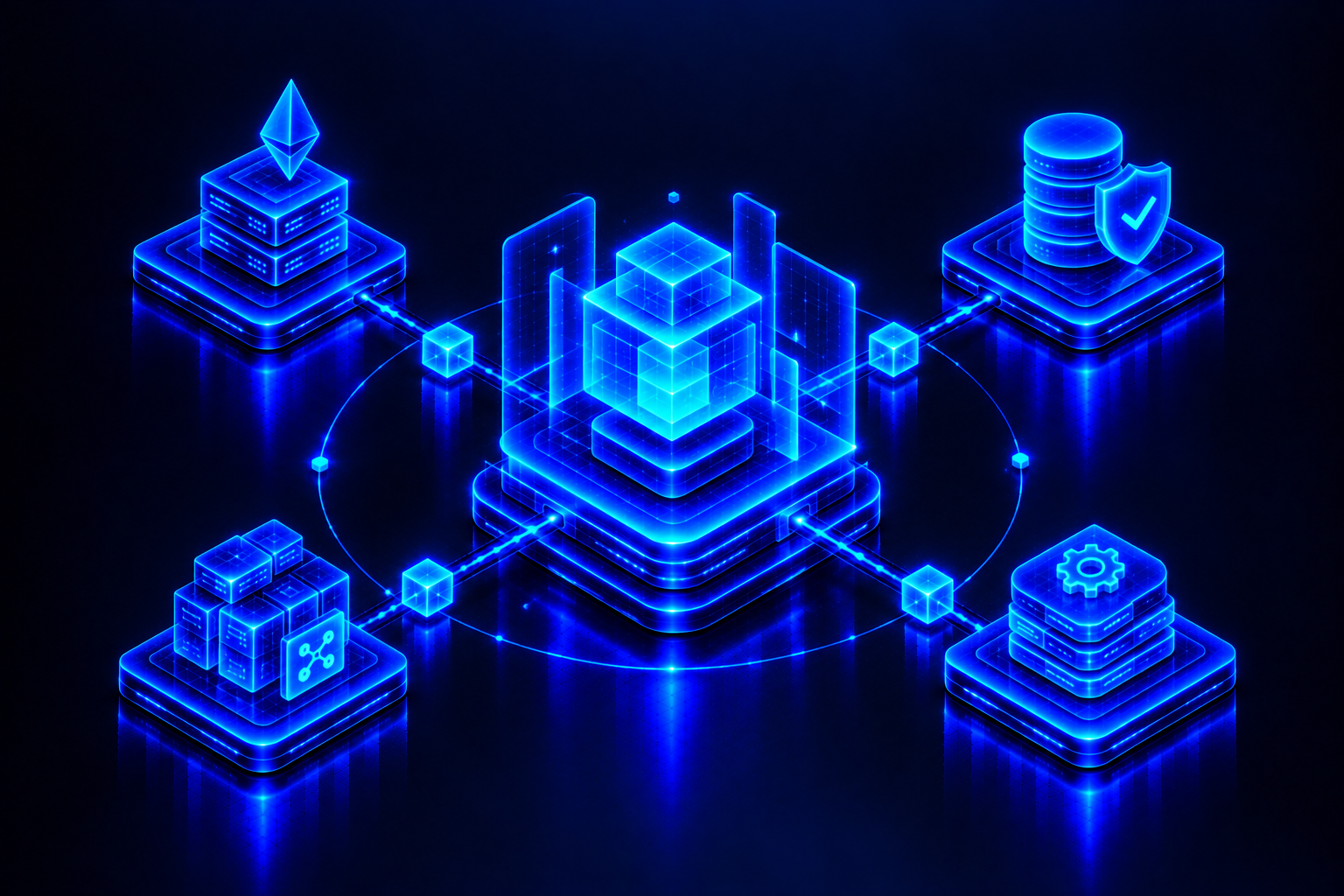
RaaS providers offer a full stack of services required to run a rollup:
Deployment Tools
Simplify the creation of new rollups.
Sequencer Management
Handle transaction ordering and execution.
Data Availability Integration
Ensure transaction data is securely stored and accessible.
Monitoring & Maintenance
Provide ongoing support and performance optimization.
Use Cases
DeFi Platforms
Launch high-performance environments for trading and liquidity.
Gaming Ecosystems
Enable fast, low-cost transactions for in-game economies.
Enterprise Solutions
Deploy private or hybrid rollups tailored to business needs.
NFT Platforms
Scale minting and trading without network congestion.
Challenges
While RaaS simplifies deployment, it also introduces considerations:
- Dependence on service providers
- Potential centralization risks
- Security of managed infrastructure
- Standardization across different providers
The Future of Scalable Blockchain Deployment
Rollups-as-a-Service is lowering the barrier to entry for building scalable blockchain solutions. By abstracting complexity and providing ready-to-use infrastructure, it enables a broader range of developers and businesses to participate in Web3.
As the ecosystem evolves, RaaS will likely become a foundational layer — powering a new generation of applications that are faster, cheaper, and easier to build.
The future is clear: scalability will not be built from scratch — it will be deployed on demand.

Leave a Reply