
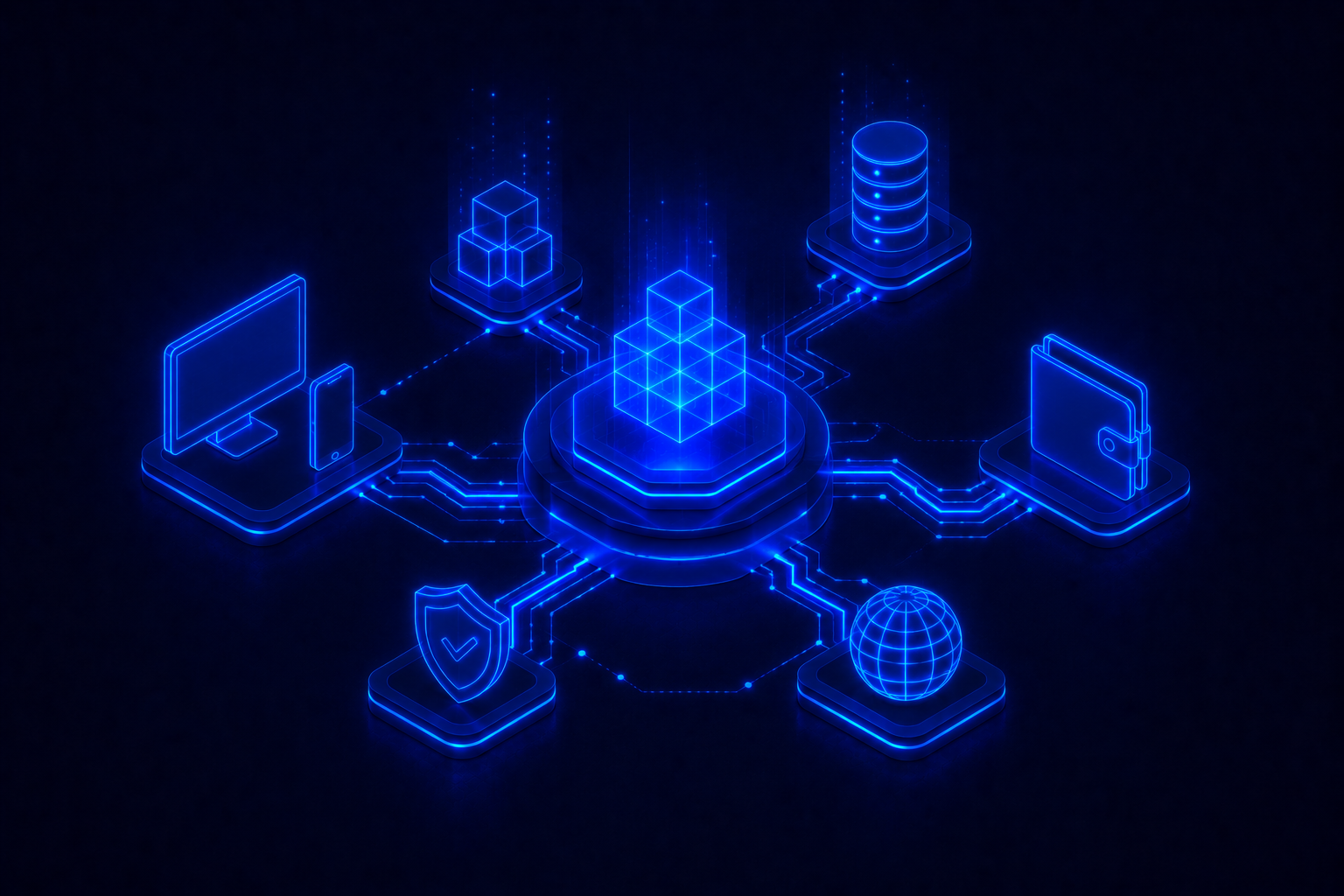
As the blockchain ecosystem expands, users are increasingly faced with a fragmented experience. Different wallets, networks, bridges, gas tokens, and transaction processes create unnecessary complexity.
Most users don’t actually care which blockchain they’re using — they simply want their applications to work.
This challenge has led to the emergence of Chain Abstraction, a concept focused on hiding blockchain complexity and creating a seamless multi-chain experience.
What is Chain Abstraction?
Chain Abstraction is an architectural approach that removes blockchain-specific friction from the user experience.
Instead of requiring users to understand networks, bridges, or token standards, applications handle these processes automatically in the background.
The goal is simple:
Users interact with applications, not blockchains.
Why It Matters
Simpler User Experience
Users no longer need to manage multiple chains manually.
Reduced Friction
Network switching, bridging, and gas management become invisible.
Greater Liquidity Access
Applications can access resources across multiple ecosystems.
Faster Adoption
Removing technical barriers makes blockchain accessible to mainstream users.
How It Works
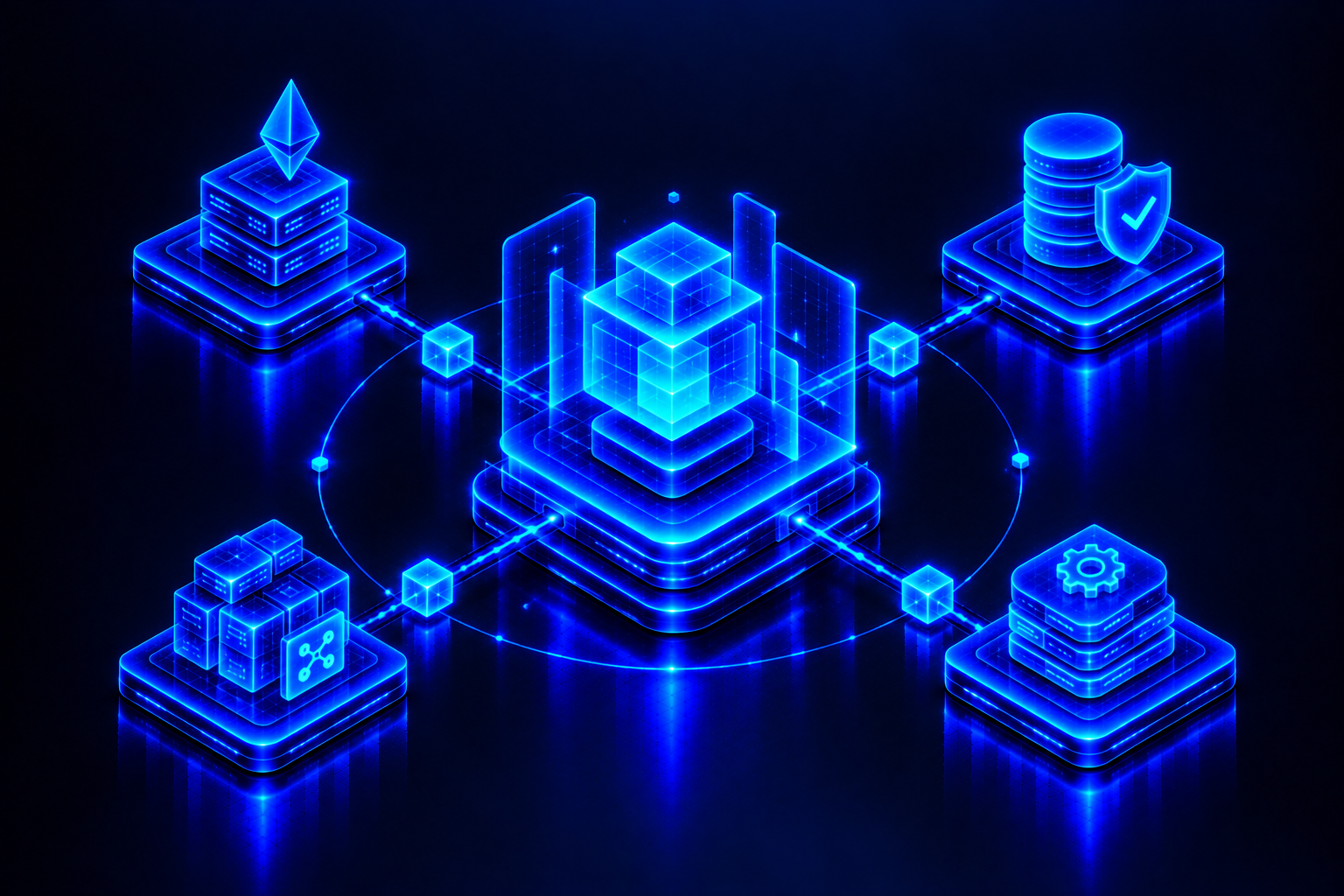
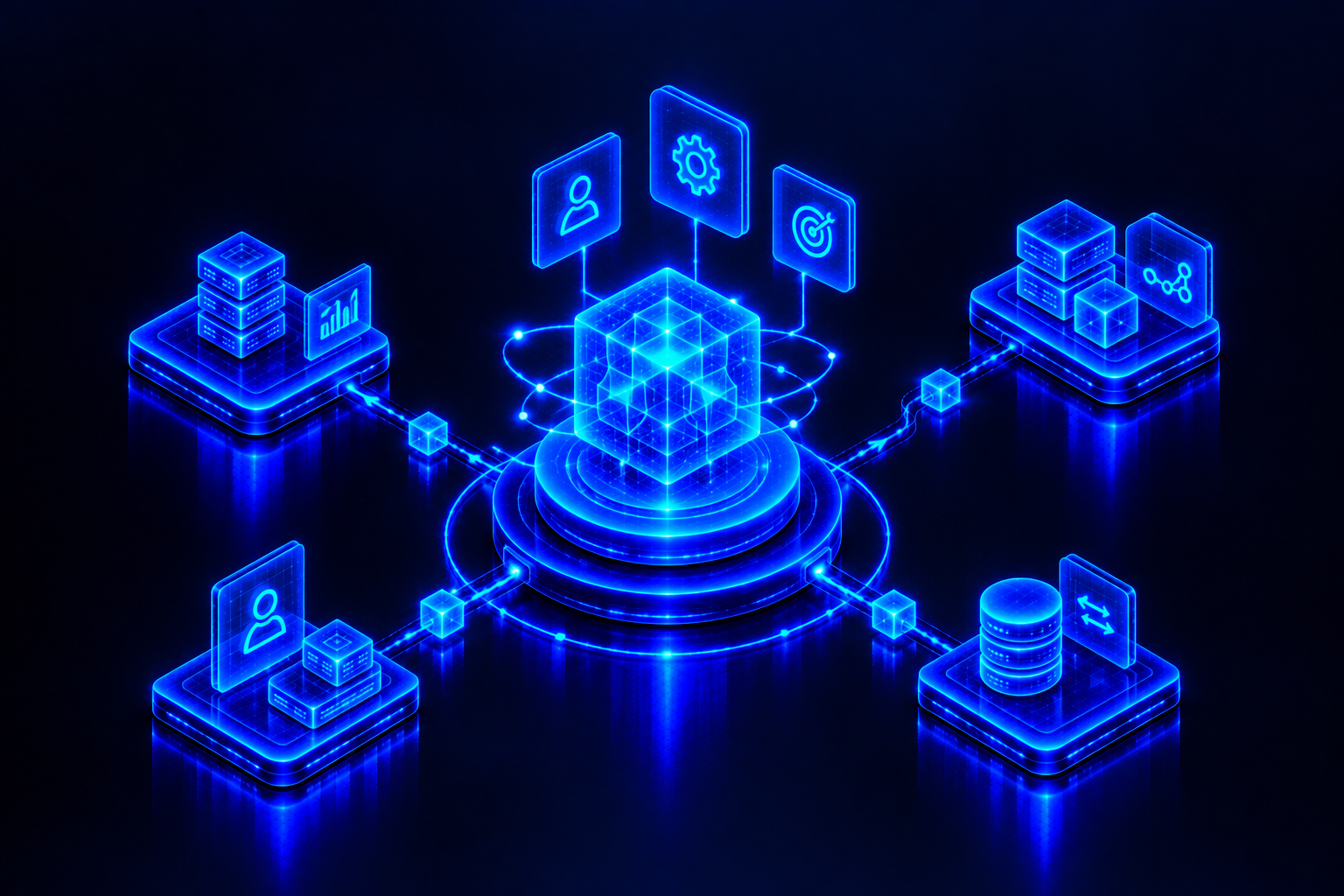
Chain abstraction combines several technologies:
Unified Wallet Layers
One account works across multiple networks.
Automated Routing
Systems determine the optimal execution path.
Cross-Chain Messaging
Networks communicate behind the scenes.
Gas Abstraction
Users can transact without worrying about chain-specific tokens.
Together, these components create a seamless experience across ecosystems.
Use Cases
Multi-Chain DeFi
Access liquidity from multiple blockchains through a single interface.
Blockchain Gaming
Players interact without managing networks or bridges.
Consumer Applications
Apps function similarly to traditional Web2 experiences.
Enterprise Platforms
Businesses integrate blockchain infrastructure without exposing complexity.
Challenges
While chain abstraction improves usability, it introduces new considerations:
- Cross-chain security dependencies
- Infrastructure complexity
- Standardization challenges
- Transparency of automated execution
Balancing simplicity with decentralization remains critical.
The Future of Invisible Infrastructure
Chain Abstraction represents one of the most important trends in Web3 usability. As ecosystems become increasingly interconnected, users will care less about the underlying network and more about the outcomes they achieve.
The long-term vision is a world where blockchain operates as invisible infrastructure — powerful, secure, and accessible without requiring technical expertise.
The future is simple:
people won’t choose blockchains — applications will choose the best blockchain on their behalf.

Leave a Reply