

As blockchain technology continues to expand, transparency has been one of its defining features. Every transaction is recorded on a public ledger, creating trust and accountability. However, this transparency also introduces a major challenge: how can sensitive information remain private while still being verifiable?
This is where Zero-Knowledge Proofs (ZKPs) are transforming the landscape. By enabling verification without revealing underlying data, ZKPs are becoming a key building block for privacy-focused blockchain applications.
What Are Zero-Knowledge Proofs?
Zero-Knowledge Proofs are cryptographic methods that allow one party to prove to another that a statement is true — without revealing any additional information.
In simple terms, ZKPs answer the question:
“Can you prove it without showing it?”
Instead of exposing full data, only the validity of the information is confirmed.
Why ZKPs Matter
Enhanced Privacy
Users can validate transactions or identities without exposing sensitive details.
Data Security
Critical information remains protected, reducing the risk of leaks or misuse.
Scalable Verification
ZKPs can compress complex computations into smaller proofs, improving efficiency.
Regulatory Balance
They help bridge the gap between privacy and compliance by enabling selective disclosure.
Real-World Applications
Private Transactions
Users can send and receive assets without publicly revealing transaction details.
Identity Verification
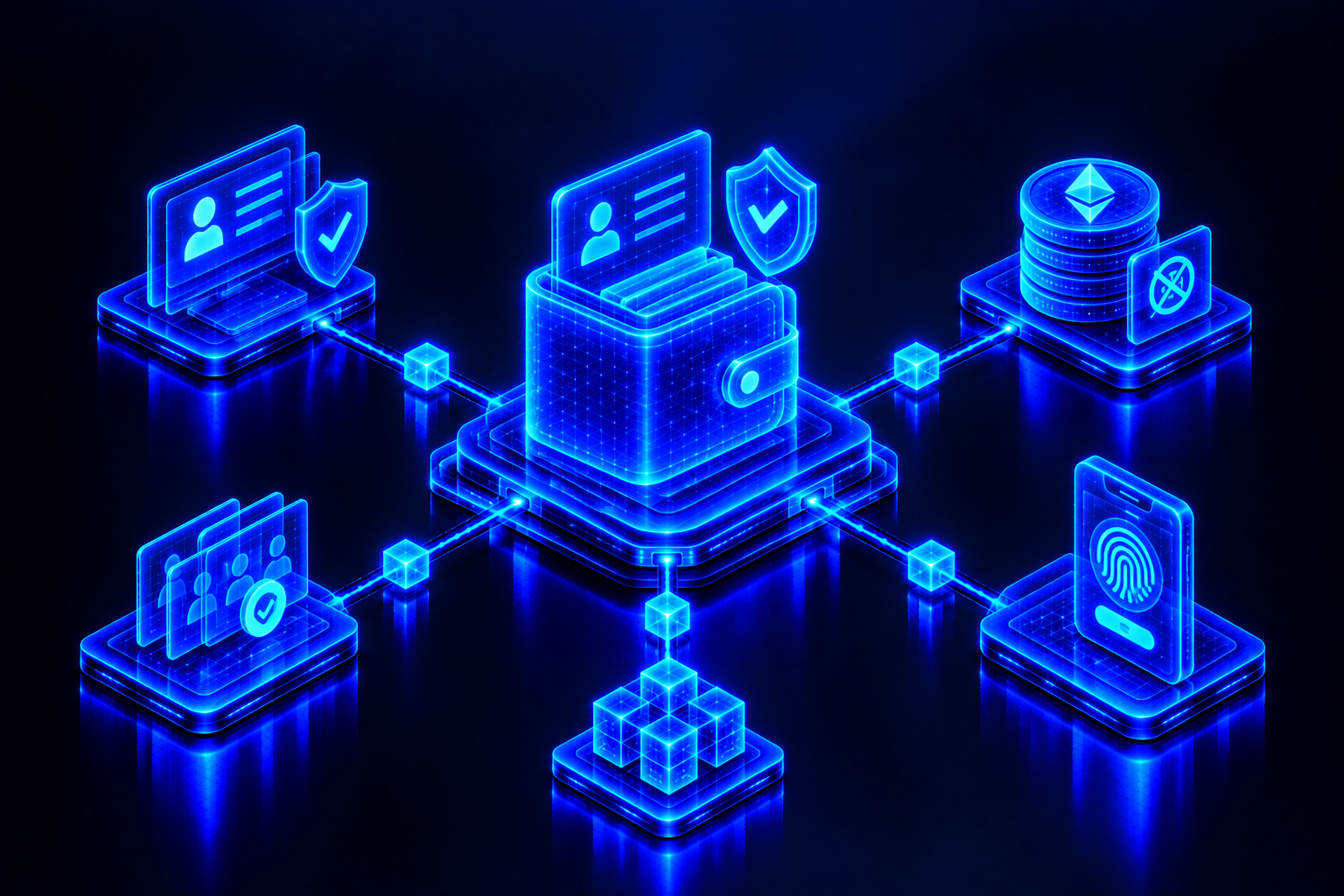
Individuals can prove attributes (like age or citizenship) without sharing full identity data.
Layer 2 Scaling
ZK-rollups bundle multiple transactions into a single proof, improving scalability.
Enterprise Data Sharing
Companies can verify data integrity without exposing confidential information.
Challenges and Limitations
Despite their promise, ZKPs come with challenges.
Complexity
Developing and implementing ZKP systems requires advanced cryptographic expertise.
Computation Costs
Generating proofs can be resource-intensive, depending on the method used.
Adoption Barriers
Integrating ZKPs into existing systems takes time and effort.
Standardization
The ecosystem is still evolving with multiple competing approaches.
The Future of Privacy in Web3
As privacy becomes a central concern in digital systems, Zero-Knowledge Proofs are expected to play a foundational role in the next generation of blockchain infrastructure.
From confidential transactions to secure identity systems, ZKPs enable a future where users no longer have to choose between privacy and transparency — they can have both.
In the evolving Web3 ecosystem, trust will not come from revealing everything, but from proving only what is necessary.


Leave a Reply