

In the digital age, data has become one of the most valuable resources. From user behavior to financial transactions and operational insights, data drives decision-making across industries. However, most data today is controlled by centralized platforms, limiting transparency, ownership, and fair value distribution.
Blockchain technology is introducing a new paradigm: tokenized data economies — where data itself becomes a tradable, verifiable, and monetizable asset.
What Are Tokenized Data Economies?
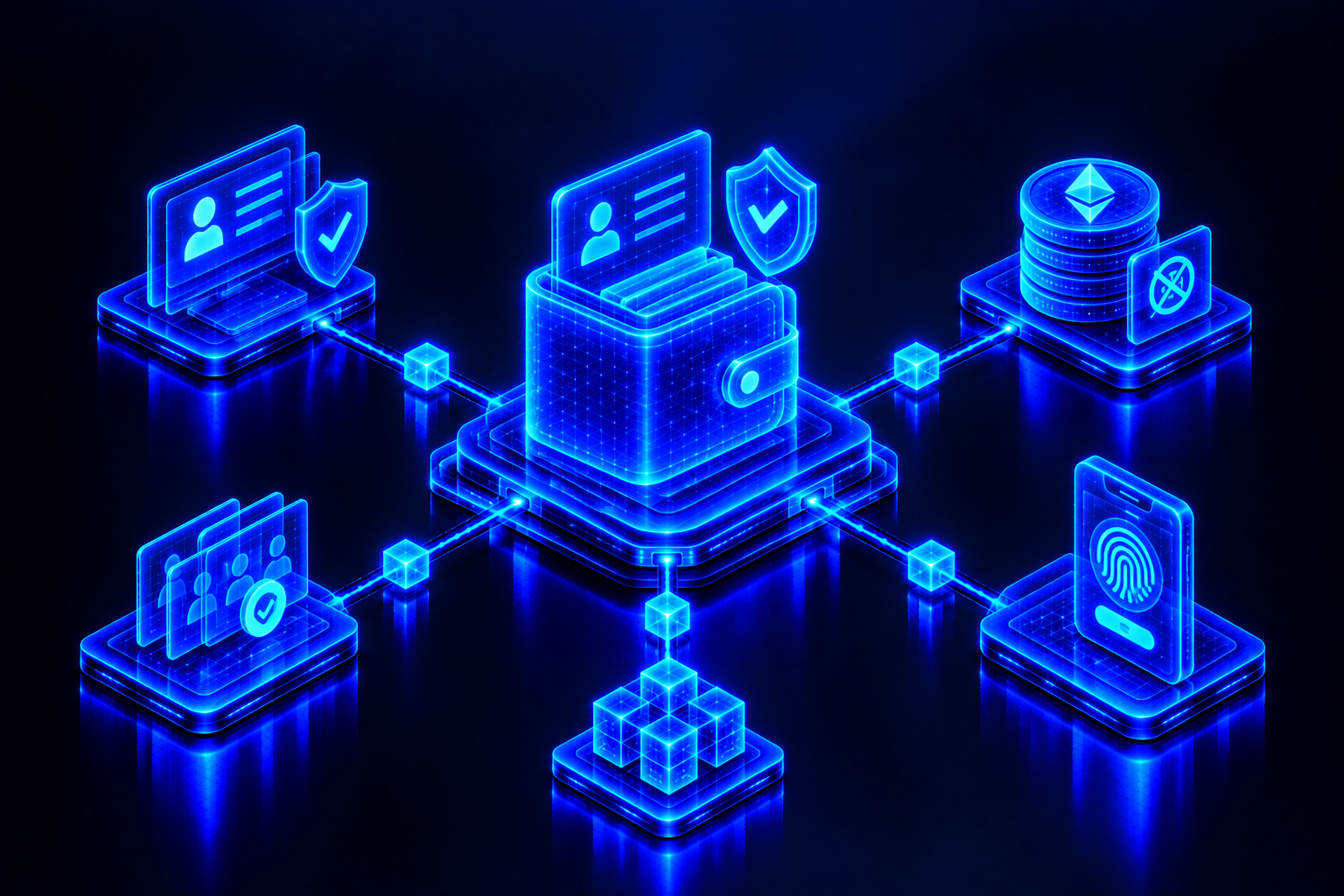
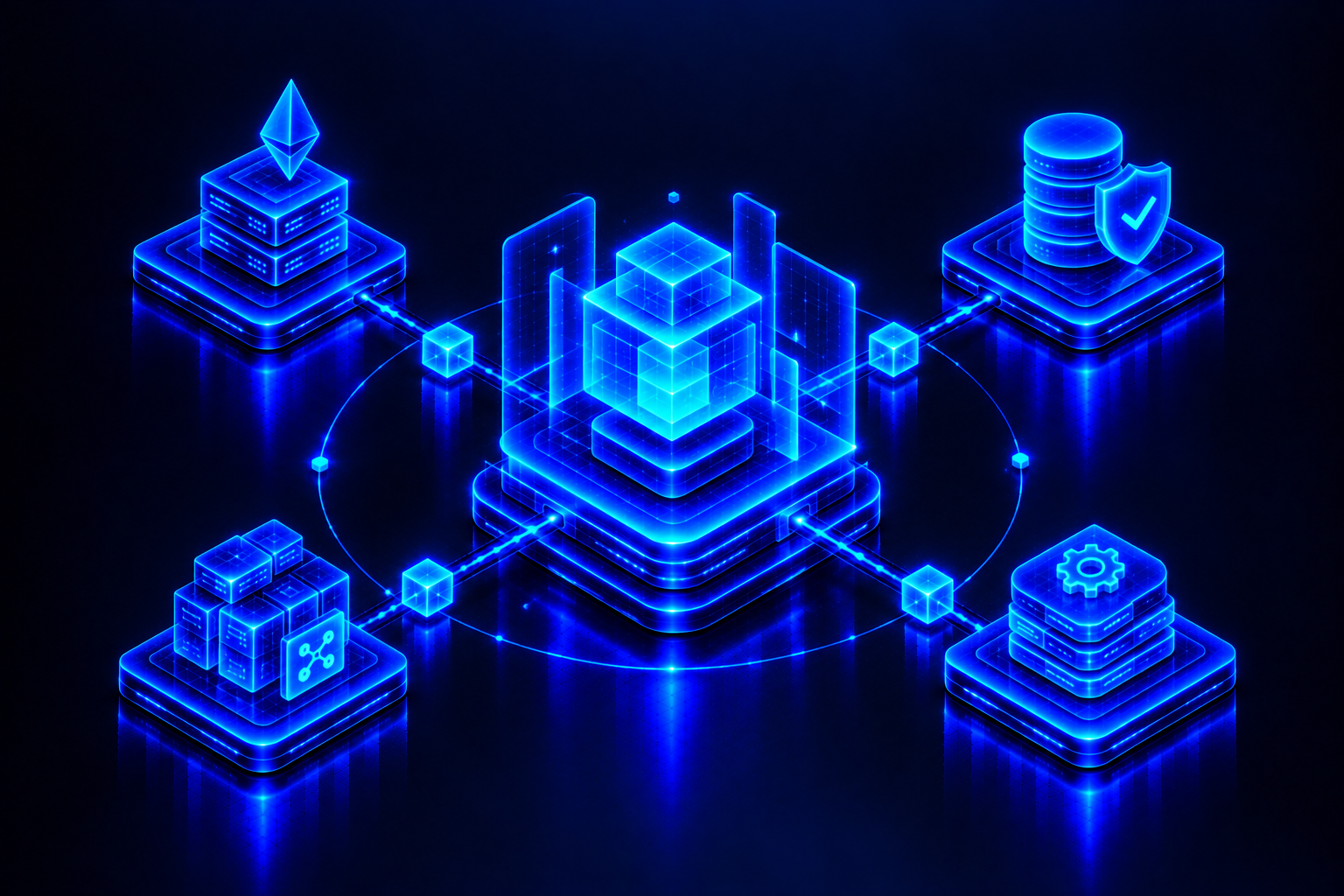
A tokenized data economy is a system where data is represented as digital tokens on a blockchain. These tokens can represent ownership, access rights, or value associated with specific datasets.
Instead of data being locked within centralized systems, blockchain enables:
- Transparent data ownership
- Controlled access permissions
- Secure data sharing
- Direct monetization of information
This transforms data from a passive resource into an active economic asset.
Why It Matters
1️⃣ Data Ownership
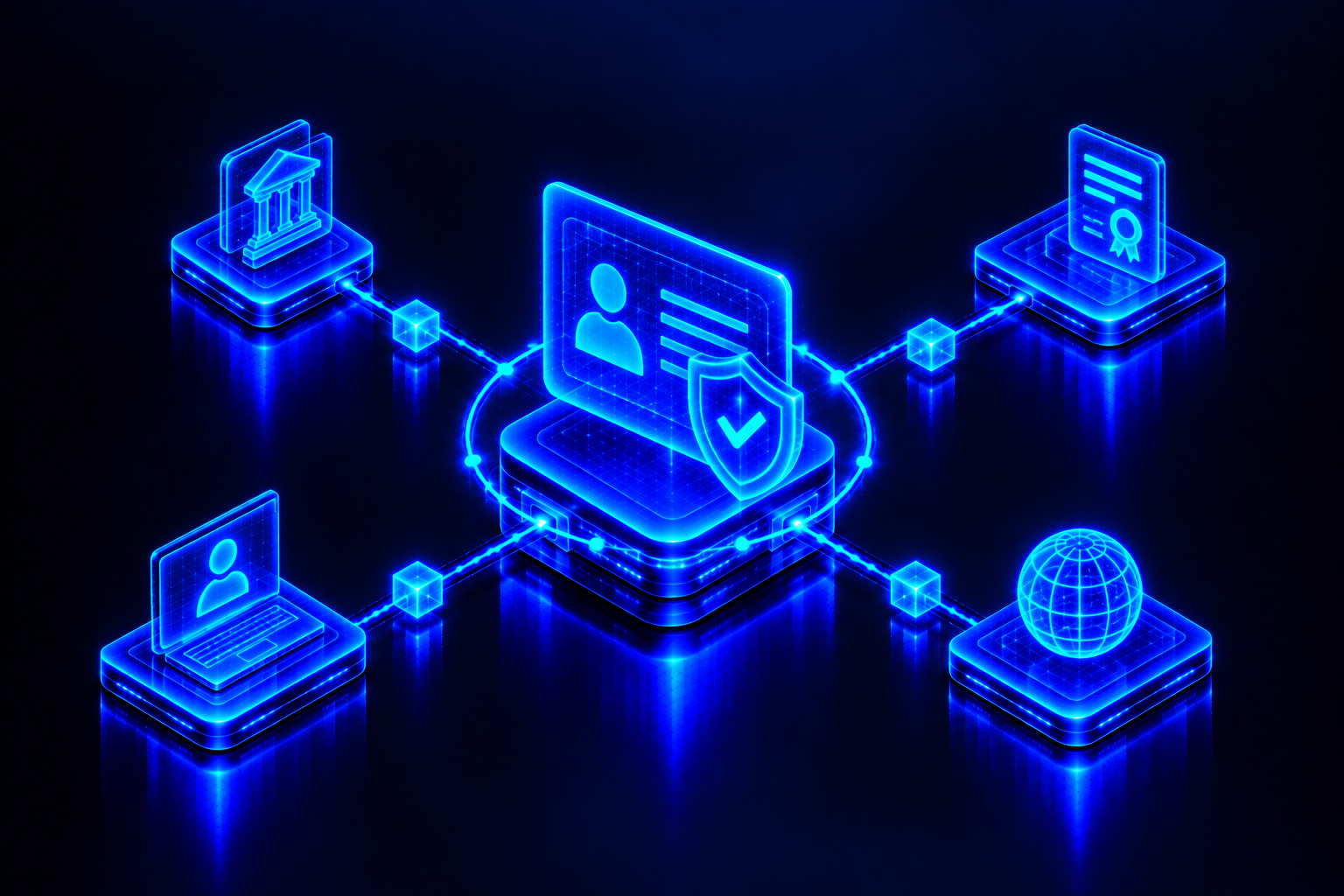
Users and organizations can retain control over their data, deciding how and when it is shared.
Fair Value Distribution
Contributors of valuable data can be rewarded directly, rather than platforms capturing all the value.
Transparency and Trust
Blockchain provides an immutable record of data usage and ownership.
New Business Models
Tokenized data enables entirely new marketplaces where data can be bought, sold, or licensed.
Key Use Cases
AI and Machine Learning
High-quality datasets can be tokenized and shared securely for training AI models.
Healthcare Data
Patients can control and monetize access to their medical records while maintaining privacy.
IoT Data Markets
Devices can generate and sell real-time data streams.
Marketing and Consumer Insights
Users can choose to share their data directly with brands in exchange for incentives.
Challenges to Address
Despite its potential, tokenized data economies face several challenges.
Privacy Concerns
Sensitive data must be protected while enabling usability.
Data Quality
Ensuring accuracy and reliability of datasets is critical.
Regulatory Compliance
Data ownership laws vary across jurisdictions.
Adoption Barriers
Existing systems must integrate with decentralized models.
The Future of Data Ownership
As digital ecosystems continue to evolve, control over data will become a defining factor in economic power. Tokenized data economies offer a more balanced model — where individuals, businesses, and platforms can all participate in value creation.
By combining blockchain transparency with programmable ownership, this approach has the potential to reshape how data is shared, valued, and monetized.
In the future, data will not just be collected — it will be owned, traded, and leveraged as a core digital asset.
Leave a Reply