

As blockchain technology continues to expand across industries, the amount of data generated on decentralized networks is growing at an unprecedented pace. Every transaction, wallet interaction, and smart contract execution leaves behind a permanent record on the blockchain. While this transparency is one of blockchain’s greatest strengths, it also creates a major challenge: how to interpret and analyze massive amounts of on-chain data effectively.
This is where blockchain analytics becomes essential. By transforming raw blockchain data into meaningful insights, analytics platforms help businesses, regulators, and investors understand what is really happening within the crypto ecosystem.
What is Blockchain Analytics?
Blockchain analytics refers to the process of collecting, organizing, and analyzing data from blockchain networks in order to extract useful information.
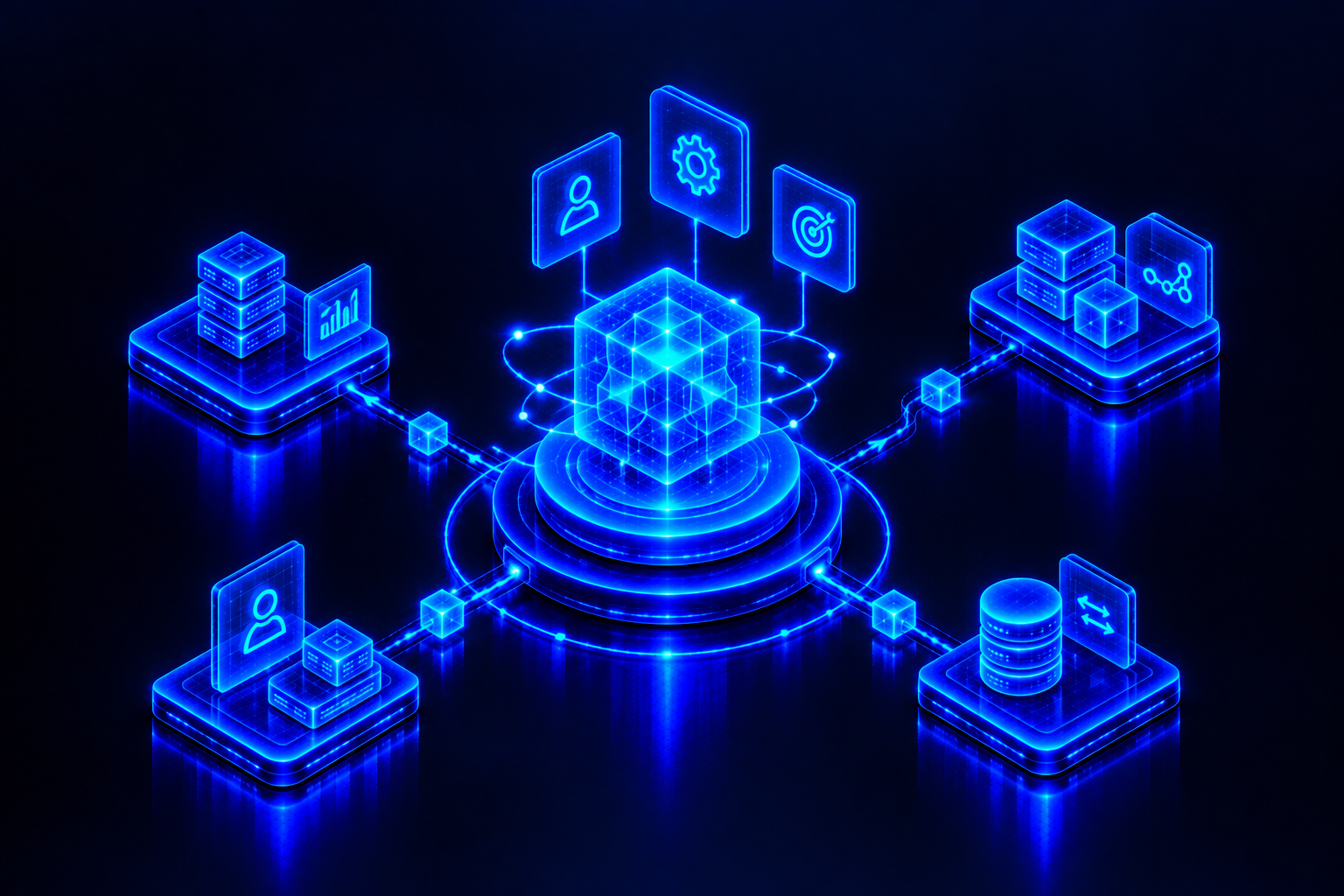
Instead of simply viewing transactions as isolated records, analytics tools connect the dots between wallets, transactions, and behavioral patterns. This allows users to understand the flow of digital assets across networks and identify important trends.
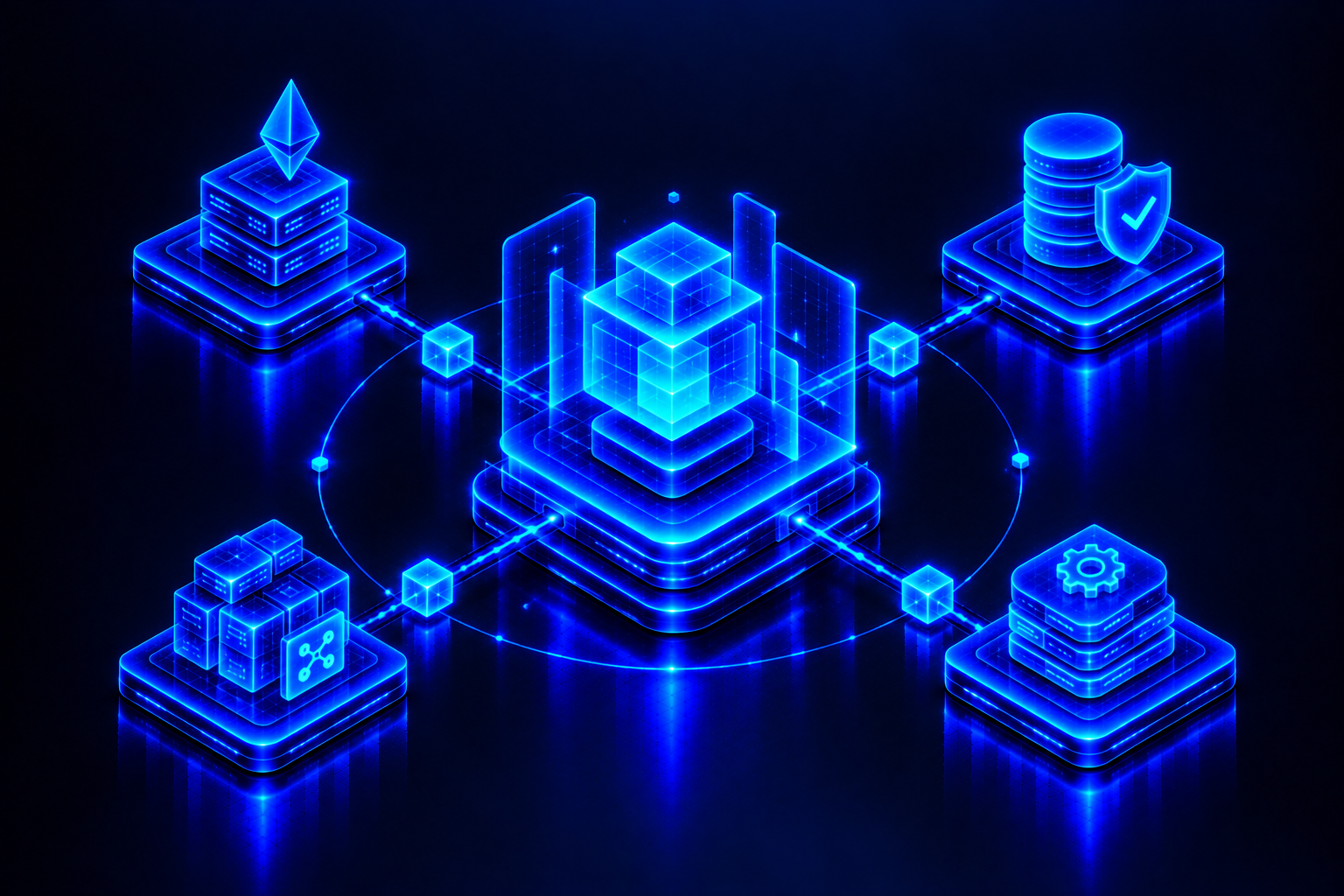
Advanced analytics platforms often combine:
- Data indexing
- Graph analysis
- Machine learning models
- Transaction monitoring tools
Together, these technologies provide a clearer picture of blockchain activity.
Why Blockchain Analytics Matters
The importance of blockchain analytics continues to grow as digital assets become more widely adopted.
Transparency and Insight
Blockchain networks store enormous amounts of public data, but raw data alone is difficult to interpret. Analytics tools convert complex transaction histories into understandable visualizations and insights.
Risk Detection
Analytics systems help identify suspicious patterns such as unusual transaction flows, potential fraud, or connections to high-risk wallets.
Regulatory Compliance
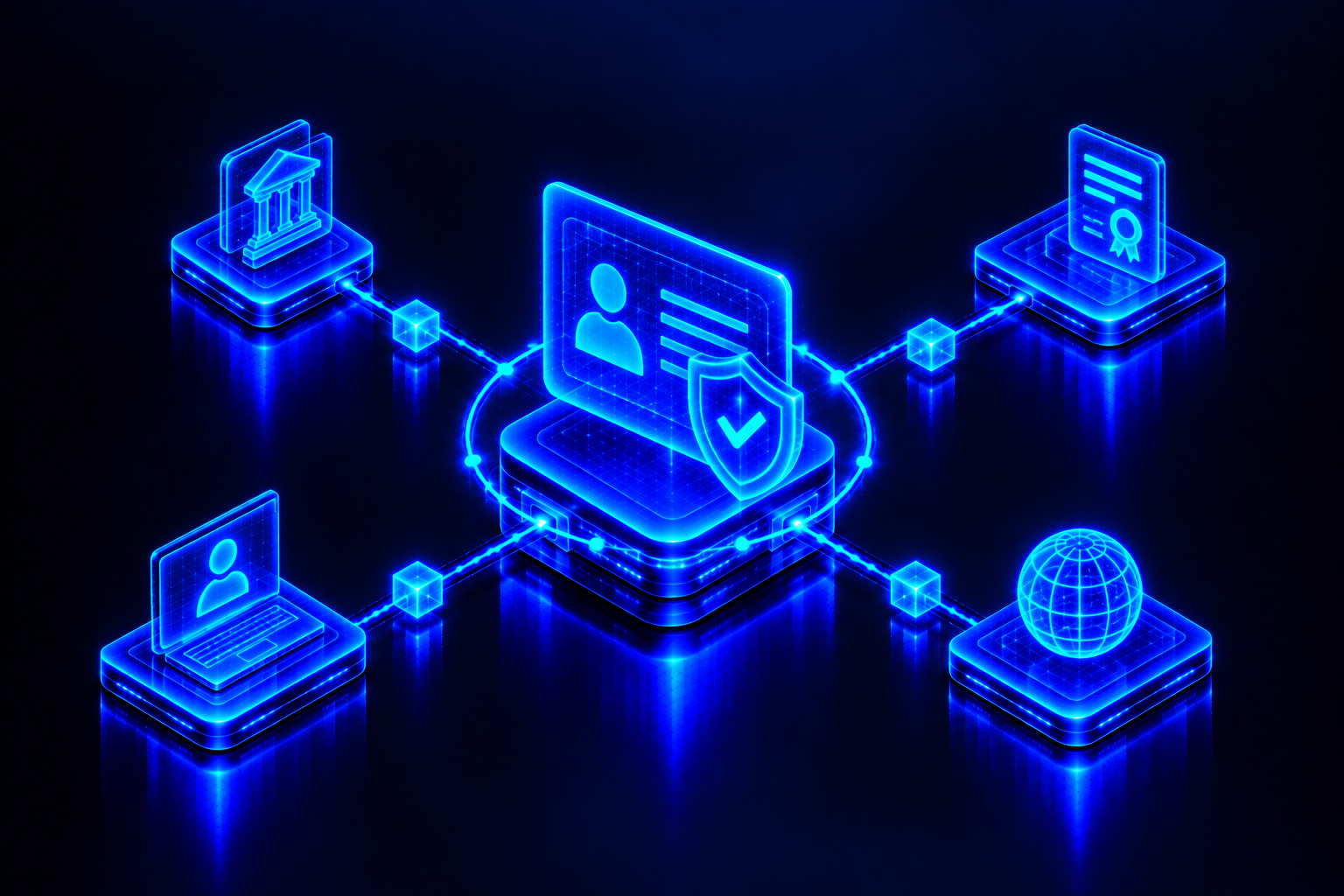
With global regulations around crypto becoming stricter, organizations must monitor transactions to comply with AML and KYT requirements.
Market Intelligence
Investors and analysts rely on blockchain data to understand market behavior, track whale activity, and identify emerging trends.
Real-World Applications
Blockchain analytics is used across multiple sectors within the digital economy.
Crypto Exchanges
Exchanges use analytics tools to monitor transactions and detect potentially risky activities.
Financial Institutions
Banks exploring digital assets rely on analytics platforms to evaluate blockchain activity before integrating crypto services.
Government and Regulatory Bodies
Authorities use blockchain analysis to investigate financial crimes and ensure compliance with regulations.
Blockchain Companies and Startups
Analytics helps teams understand network usage, optimize protocols, and track ecosystem growth.
The Future of Blockchain Intelligence
As blockchain adoption accelerates, the need for reliable data interpretation will only increase. The next generation of blockchain analytics platforms will combine artificial intelligence, real-time monitoring, and advanced visualization tools to deliver deeper insights into decentralized networks.
Organizations that can effectively analyze blockchain data will gain a significant advantage — from improving security and compliance to identifying new opportunities in the digital economy.
In a world where data drives decisions, blockchain analytics is becoming the key to unlocking the true value of decentralized technology.
Leave a Reply