

As blockchain adoption continues to expand across industries, transparency remains one of its most celebrated features. Public blockchains allow anyone to verify transactions, ensuring accountability and trust without centralized authorities. However, complete transparency also introduces challenges, particularly when sensitive financial or business data is involved.
Privacy-preserving blockchain technologies aim to solve this dilemma by allowing secure transactions and verifiable data without exposing confidential information. These innovations are becoming increasingly important as enterprises and institutions seek to adopt blockchain while maintaining regulatory compliance and data protection.
What Is Privacy-Preserving Blockchain?
Privacy-preserving blockchain refers to a set of technologies and methods designed to protect sensitive information on distributed ledgers while still maintaining the benefits of decentralization and security.
Instead of revealing all transaction details publicly, privacy-focused solutions allow selected information to remain confidential while still proving that a transaction is valid.
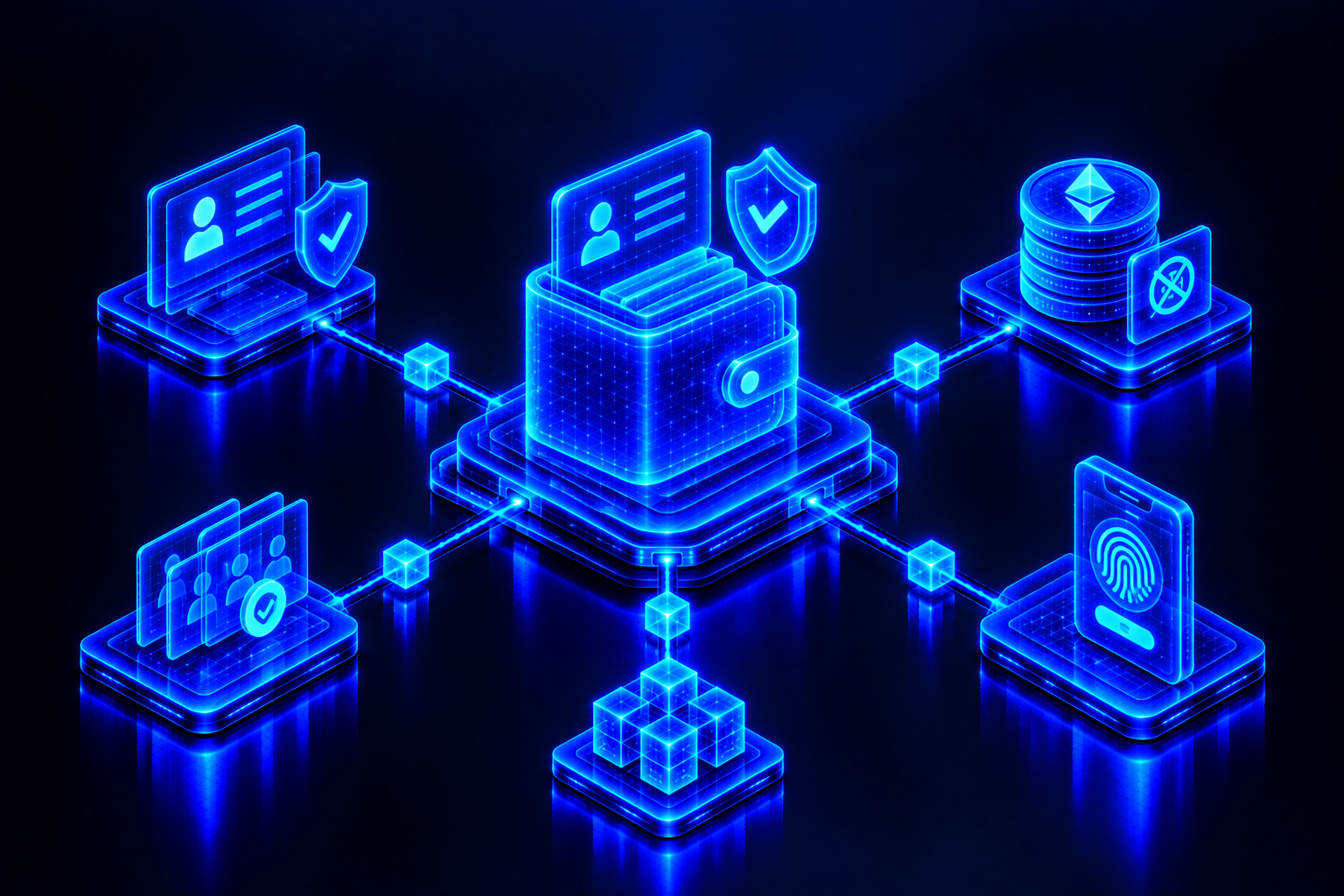
These approaches enable:
- Confidential transactions
- Secure identity verification
- Selective data sharing
- Protected business operations
- Regulatory compliance
Why Privacy Matters in Blockchain
While transparency is valuable, many real-world use cases require confidentiality.
Business Confidentiality
Companies using blockchain may need to protect trade secrets, pricing structures, or supplier relationships.
User Data Protection
Individuals want financial privacy without exposing transaction histories.
Regulatory Requirements
Organizations must comply with data protection laws while maintaining auditable records.
Enterprise Adoption
Privacy features make blockchain more attractive to large institutions.
Key Privacy Technologies
Several technologies are helping bring privacy to blockchain systems.
Zero-Knowledge Proofs (ZKPs)
These cryptographic methods allow one party to prove a statement is true without revealing the underlying data.
Confidential Transactions
Transaction amounts and participants can remain hidden while still being validated.
Secure Multi-Party Computation
Multiple participants can compute results together without exposing their individual data.
Private Layers
Additional privacy layers can be built on top of existing blockchains.
Challenges of Privacy Solutions
Despite their benefits, privacy technologies introduce new challenges.
Technical Complexity
Advanced cryptography requires specialized expertise.
Performance Overhead
Privacy mechanisms can increase computational costs.
Regulatory Concerns
Some regulators require transparency for compliance.
Interoperability Issues
Different privacy standards can limit compatibility.
The Future of Private Blockchain Systems
Privacy-preserving technologies are expected to play a central role in the next generation of blockchain systems. As adoption grows, the balance between transparency and confidentiality will become increasingly important.
Future blockchain platforms will likely combine openness with strong privacy protections, enabling organizations and individuals to use decentralized systems with confidence.
Privacy is no longer optional in blockchain — it is becoming a fundamental requirement for scalable and sustainable Web3 ecosystems.


Leave a Reply