

Blockchain networks generate vast, interconnected streams of data every second. Every wallet, transaction, smart contract interaction, and token movement forms part of a larger digital ecosystem. But understanding this ecosystem requires more than simple transaction tracking — it demands graph intelligence.
As the crypto industry matures, graph-based blockchain analytics is emerging as one of the most powerful tools for risk detection, compliance monitoring, and strategic insight.
From Linear Transactions to Network Mapping
Traditional blockchain explorers display transactions in a linear format — block by block, transfer by transfer. While useful, this view does not reveal the deeper relationships between entities.
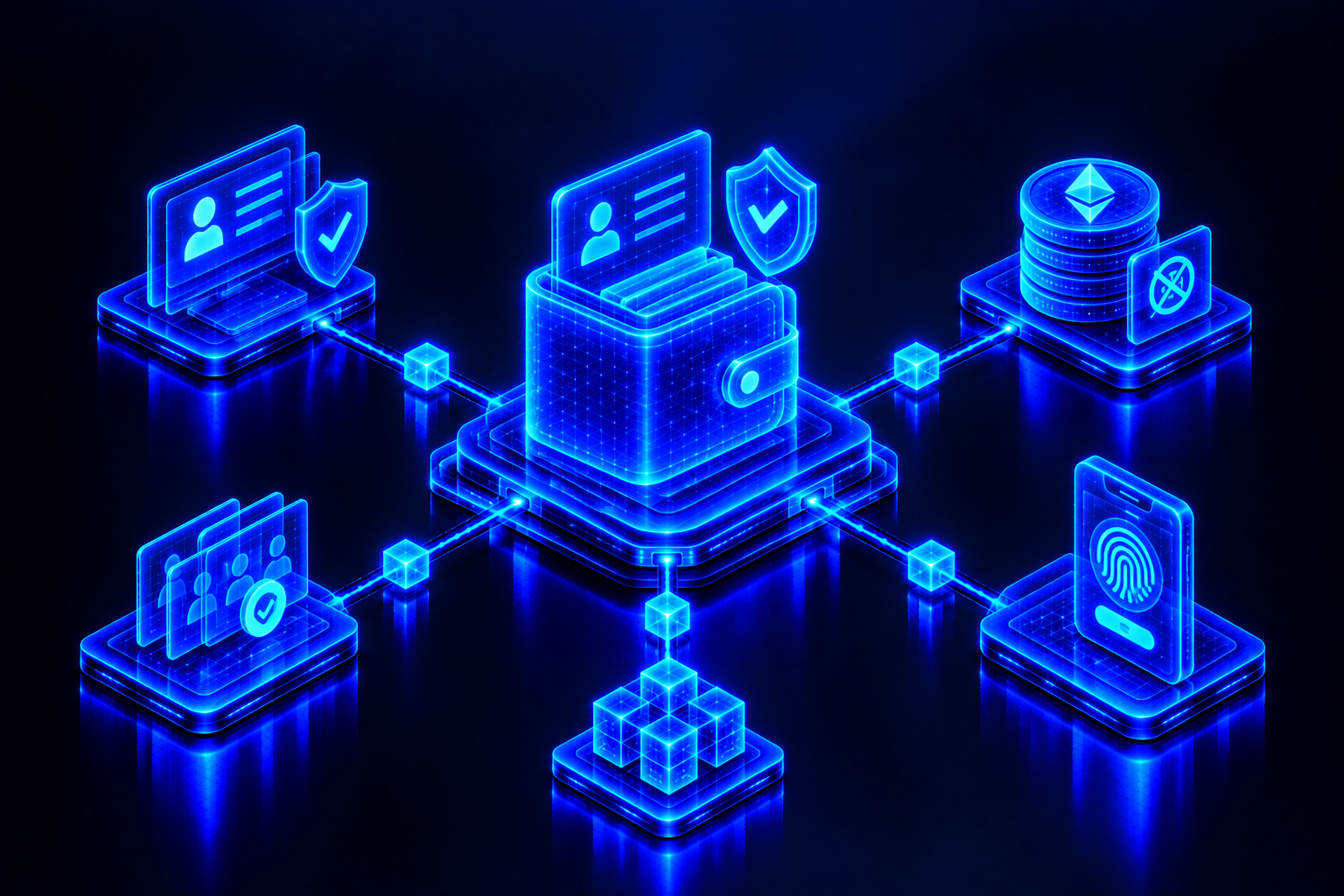
Graph intelligence transforms blockchain data into dynamic network structures:
- Wallets become nodes
- Transactions become connections
- Behavioral patterns form clusters
- Risk exposure spreads through identifiable pathways
This visual and mathematical modeling approach enables analysts to detect patterns that would otherwise remain hidden.
Why Graph-Based Analysis Matters
1. Hidden Risk Detection
Illicit activity often moves through layered wallet networks to obscure its origin. Graph modeling identifies indirect exposure — even several hops away.
2. Entity Clustering
Advanced heuristics and AI models group related wallets into behavioral clusters, helping distinguish individuals, exchanges, services, and automated systems.
3. Flow-of-Funds Tracking
Graph structures allow investigators and compliance teams to trace asset flows across chains, protocols, and complex transaction paths.
4. Behavioral Anomaly Identification
Sudden structural changes in transaction networks — such as unusual connectivity spikes — can signal emerging threats or coordinated activity.
Institutional Impact
For exchanges, fintech platforms, and regulatory bodies, graph intelligence enhances:
- AML and KYT monitoring
- Risk-based transaction scoring
- Investigative reporting
- Strategic blockchain research
Rather than reacting to single suspicious transfers, institutions can understand the broader ecosystem in which those transfers occur.
The Future: AI + Graph Analytics
When graph theory meets artificial intelligence, blockchain monitoring becomes significantly more powerful. Machine learning models can:
- Detect abnormal network formations
- Predict risk propagation patterns
- Identify emerging wallet clusters before they scale
- Reduce false positives through contextual awareness
The future of blockchain analysis lies not only in transparency — but in understanding relationships, behaviors, and network dynamics at scale.
Blockchain is a network by design. To truly understand it, we must analyze it as one.
Graph intelligence represents the next major evolution in blockchain analytics — enabling smarter decisions, stronger compliance, and deeper insight across the digital asset ecosystem.


Leave a Reply