
Latest Articles
-
Zero-Knowledge Identity: Proving Without Revealing
Identity verification has become an essential part of the digital world. Whether opening a financial account, accessing online services, or proving eligibility, users are frequently asked to share personal information. Unfortunately, this often means exposing far more data than necessary. What if you could prove who you are—or prove a specific fact about yourself—without revealing…
-

On-Chain Reputation: Building Trust in a Decentralized World
Trust has always been one of the foundations of online interactions. Whether applying for a job, borrowing money, or joining a community, people often rely on reputation to evaluate credibility. In traditional digital platforms, reputation is usually controlled by centralized companies. User ratings, reviews, and histories remain locked within individual platforms and rarely transfer elsewhere.…
-
Restaking: Unlocking a New Layer of Blockchain Security
Blockchain networks rely on economic incentives to remain secure. In Proof-of-Stake systems, validators lock their assets to help secure the network while earning rewards in return. But what if the same staked assets could secure multiple decentralized services simultaneously? This idea has led to one of the most significant innovations in blockchain infrastructure: Restaking. Rather…
-
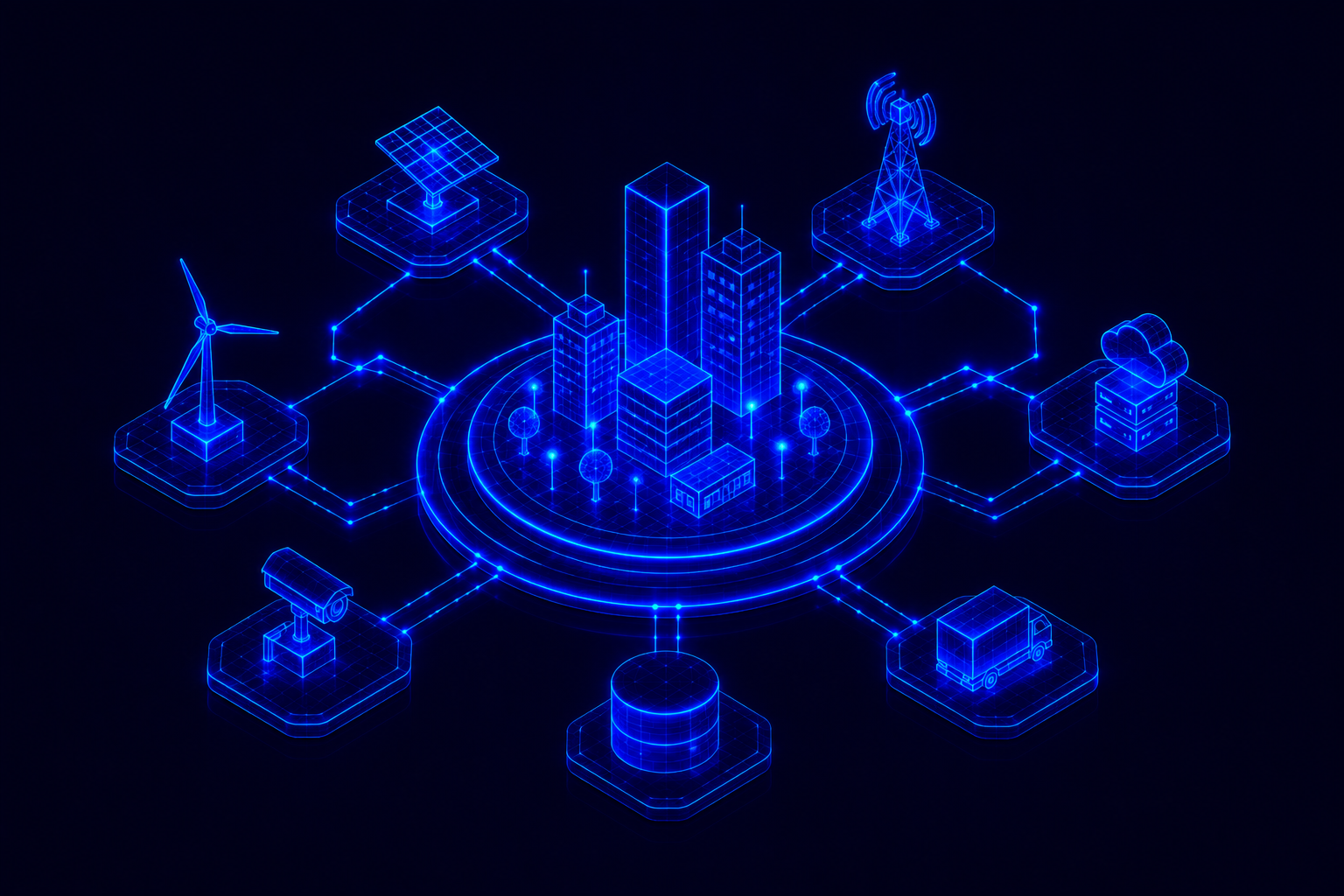
DePIN: Building Real-World Infrastructure Through Decentralization
Blockchain technology has traditionally focused on digital assets, smart contracts, and decentralized finance. But a new movement is extending decentralization beyond the digital world. Decentralized Physical Infrastructure Networks (DePIN) use blockchain to coordinate and incentivize the creation of real-world infrastructure through distributed communities rather than centralized organizations. From wireless connectivity and cloud storage to mapping…
-
Decentralized AI (DeAI): Bringing Artificial Intelligence to Web3
Artificial Intelligence is rapidly becoming one of the most transformative technologies of our time. From content generation to scientific research, AI systems are reshaping how people interact with technology. However, today’s AI landscape is largely controlled by a small number of organizations that own the infrastructure, data, and computing resources behind these models. A new…
-
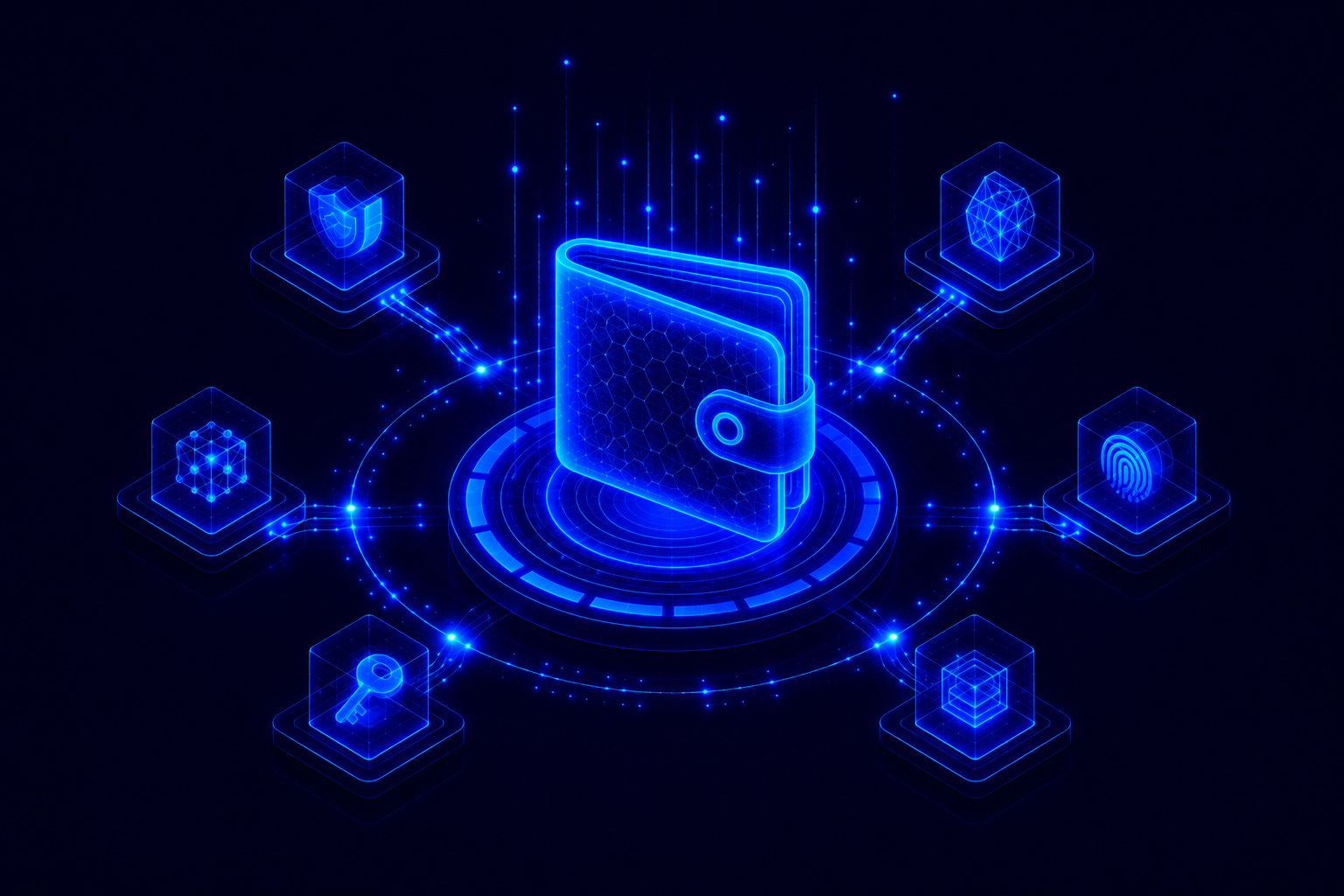
Account Abstraction: Redefining the Blockchain Wallet Experience
For many users, blockchain wallets remain one of the biggest barriers to entering Web3. Managing private keys, storing seed phrases, paying gas fees, and signing every transaction can feel overwhelming—especially for newcomers. To make blockchain applications more accessible, developers are introducing a new concept known as Account Abstraction (AA). Rather than forcing users to adapt…
-
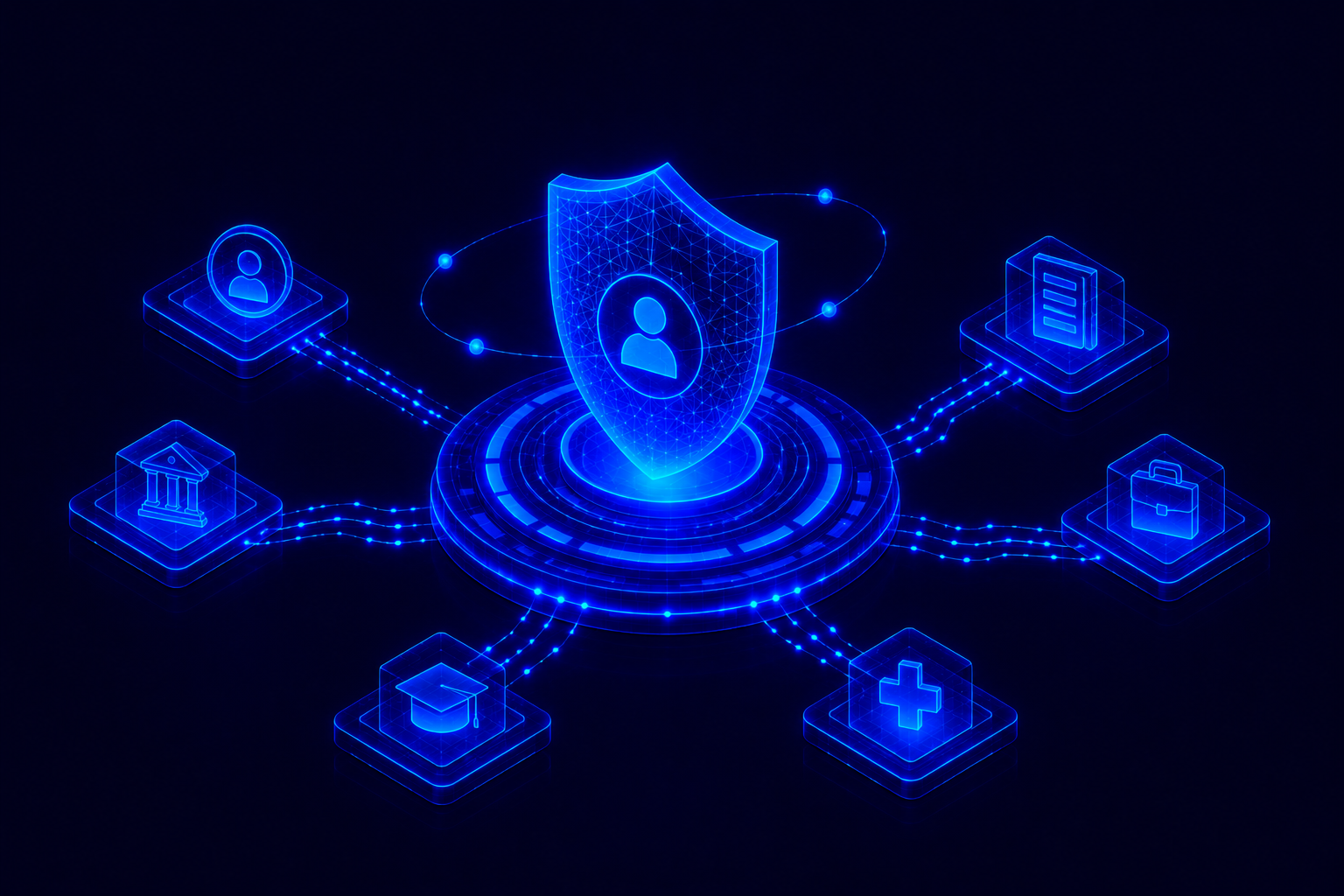
Verifiable Credentials: The Future of Trusted Digital Identity
Every day, people prove aspects of their identity online—whether it’s their age, education, employment history, or professional certifications. Today, this process often relies on centralized organizations that issue and verify these credentials. But what if individuals could securely own and share their credentials without depending on a central authority every time? This is the promise…
-
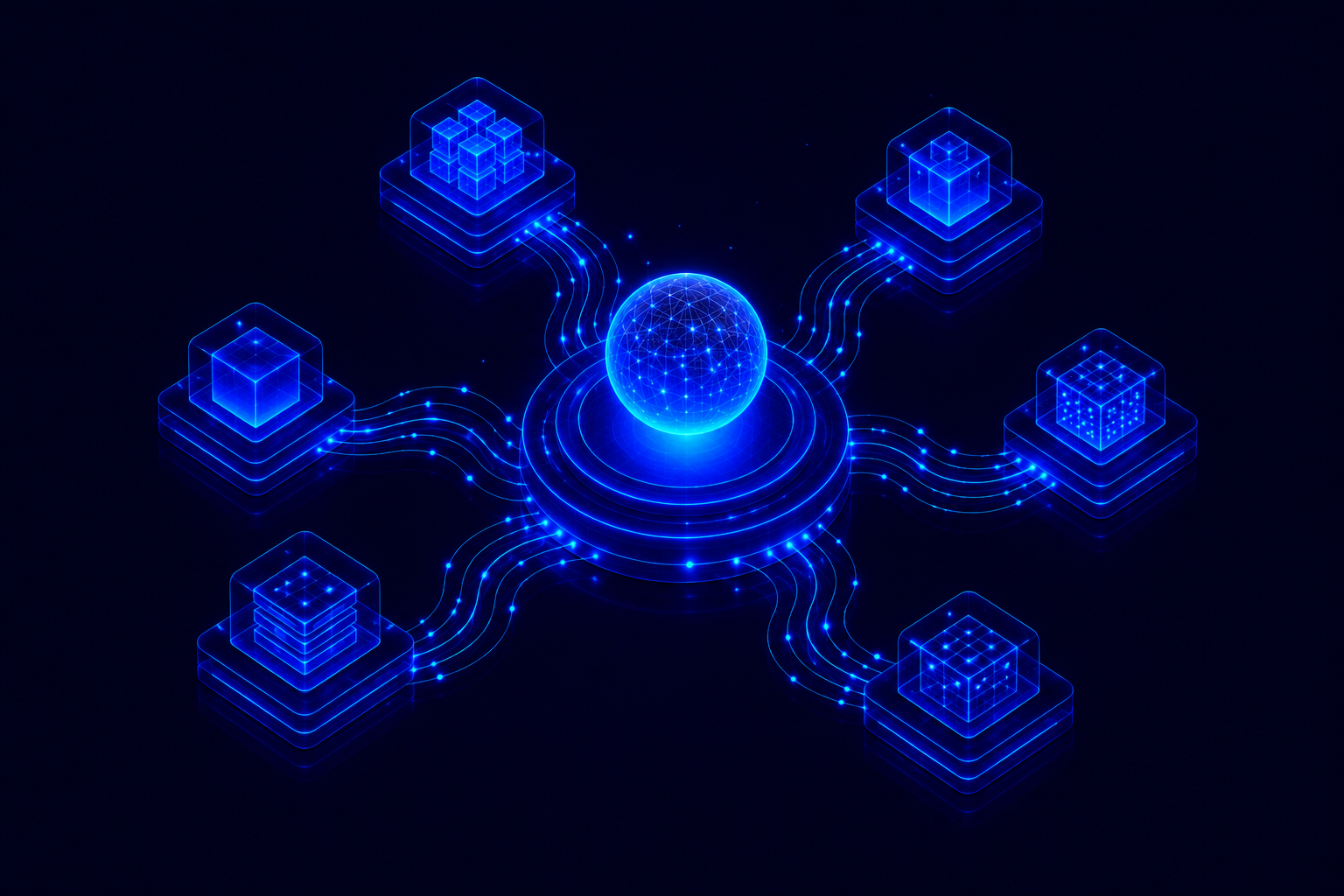
Chain Abstraction: Making Blockchain Networks Invisible to Users
The blockchain ecosystem has evolved into hundreds of independent networks, each offering unique features, applications, and assets. While this diversity fuels innovation, it also creates a major challenge for users. Managing multiple wallets, switching between networks, bridging assets, and paying gas fees on different chains often results in a fragmented experience. To address this problem,…
-
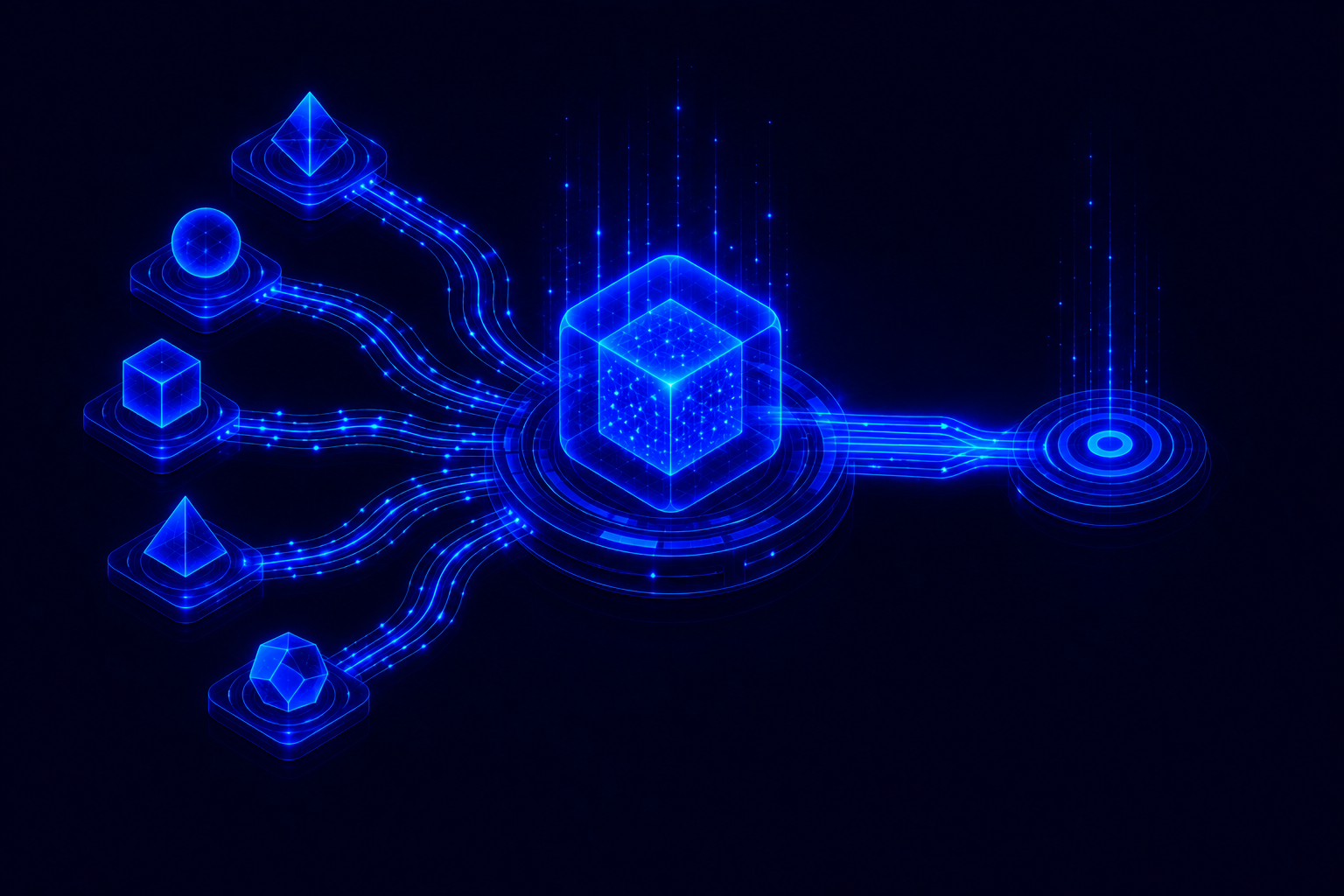
Intent-Centric Architecture: Redefining How Users Interact with Blockchain
For years, interacting with blockchain applications has required users to understand complex technical details. Choosing the right network, selecting a wallet, paying gas fees, signing multiple transactions, and bridging assets have all become part of the user experience. But what if users only needed to describe what they want, rather than how to achieve it?…
-
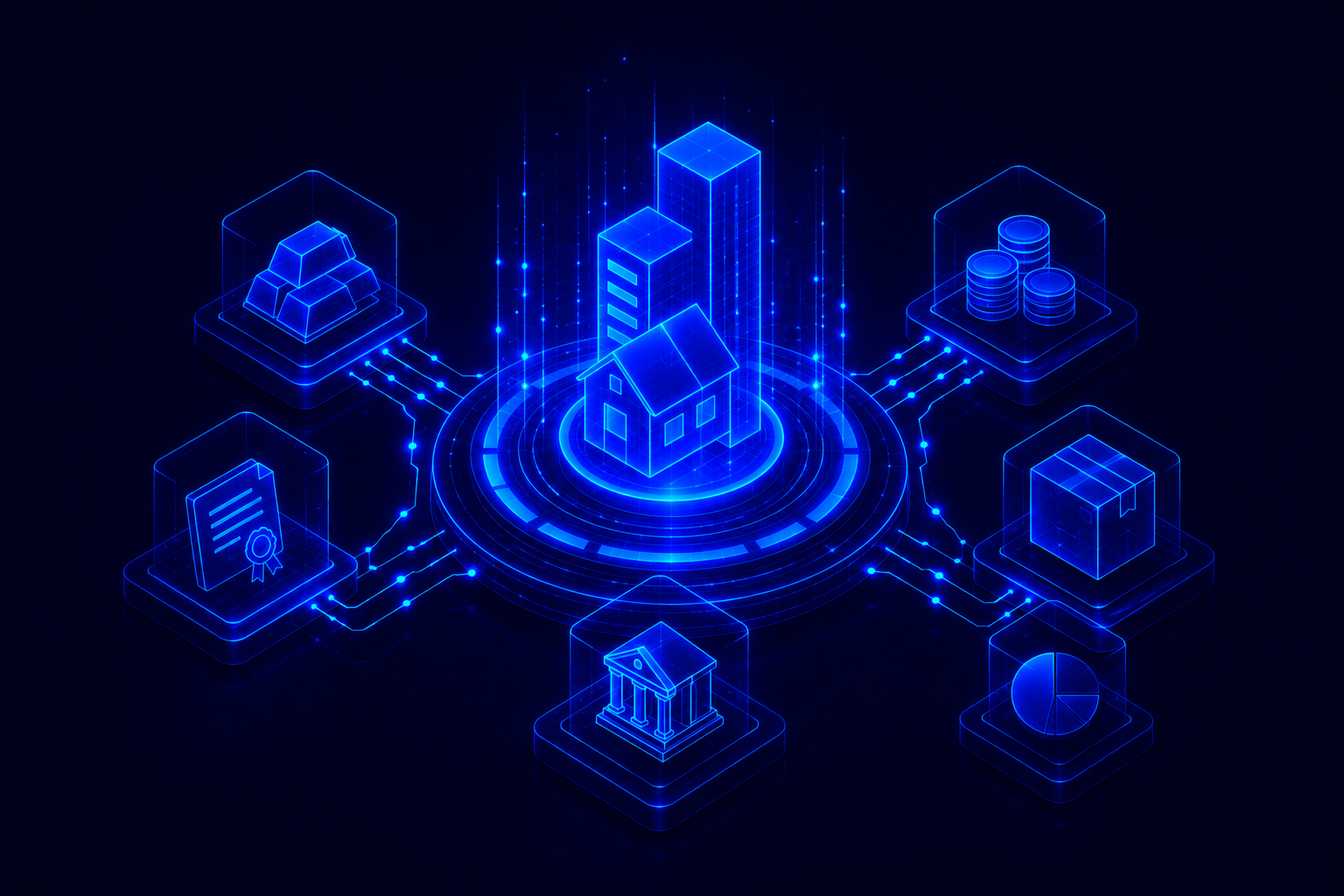
Real World Assets (RWA): Bridging Physical Value and Blockchain
For years, blockchain has primarily managed digital assets such as cryptocurrencies, NFTs, and smart contracts. While these innovations transformed digital ownership, trillions of dollars in real-world assets have remained outside the blockchain ecosystem. A new movement is changing that. Real World Assets (RWAs) bring tangible assets—such as real estate, government bonds, commodities, and invoices—onto blockchain…
Interested in latest articles?