
Blockchain wallets have always been one of the biggest barriers to mainstream Web3 adoption.
Users are expected to manage private keys, remember seed phrases, hold native tokens for gas fees, and manually approve every transaction.
For experienced crypto users, these processes may feel normal.
For everyone else, they create unnecessary complexity.
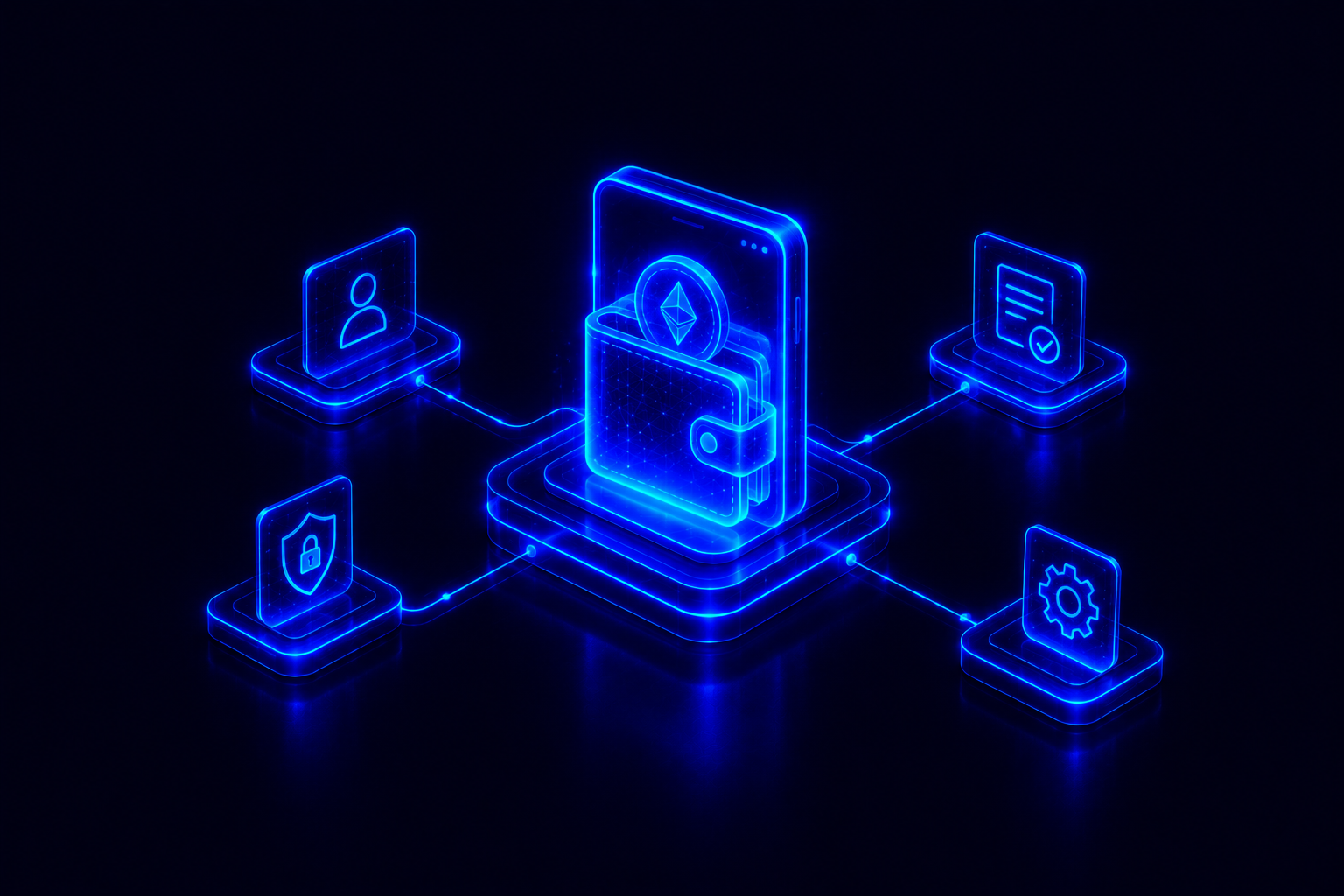
Account Abstraction introduces a new approach by making blockchain accounts more flexible and programmable, allowing wallets to behave more like intelligent applications rather than simple key holders.
What Is Account Abstraction?
Account Abstraction is a blockchain design approach that allows users to interact with programmable accounts instead of relying entirely on traditional externally owned accounts.
With Account Abstraction, many wallet rules can be defined through smart contracts.
This means developers can introduce features such as custom transaction validation, social recovery, spending limits, and automated transaction management.
The wallet becomes more than an address—it becomes a programmable account.
Why It Matters
1️⃣ Better User Experience
Users can interact with blockchain applications without understanding every technical detail behind transactions.
2️⃣ Flexible Security
Wallets can implement custom security rules instead of relying solely on a single private key.
3️⃣ Gasless Transactions
Applications can potentially sponsor transaction fees so users don’t always need to hold the network’s native token.
4️⃣ Account Recovery
Users can recover access through alternative mechanisms without depending entirely on a traditional seed phrase.
How It Works
A programmable account can include several important components:
🔹 Smart Account
The wallet is controlled by programmable logic rather than only a private-key signature.
🔹 Validation Rules
The account determines which transactions are allowed and under what conditions.
🔹 Paymaster
A third party can sponsor transaction fees on behalf of users.
🔹 Bundler Infrastructure
Multiple user operations can be collected and submitted to the blockchain efficiently.
Together, these components create a more flexible interaction model between users and decentralized applications.
Use Cases
Gaming Wallets
Players can interact with blockchain-based games without manually approving every small transaction.
DeFi Applications
Users can define spending limits, automated strategies, or additional security requirements.
Social Recovery
Trusted guardians or predefined recovery mechanisms can help users regain access to their accounts.
Enterprise Wallets
Organizations can implement multi-user approval systems and customized transaction policies.
Challenges
Account Abstraction also introduces several challenges:
- Smart contract security
- Increased implementation complexity
- Wallet interoperability
- Recovery mechanism design
- New attack surfaces
Because account logic becomes programmable, security audits and carefully designed permission systems become increasingly important.
The Future of Blockchain Wallets
The next generation of blockchain wallets may look very different from today’s wallets.
Users may no longer need to think about gas tokens, complicated transaction approvals, or fragile seed phrases.
Instead, wallets could operate more like intelligent digital accounts—automatically handling fees, enforcing security policies, and adapting to individual user needs.
Account Abstraction is an important step toward making blockchain technology feel less like infrastructure and more like a familiar digital service.
The future is programmable:
users shouldn’t have to understand how blockchain accounts work—they should simply be able to use them.



Leave a Reply