
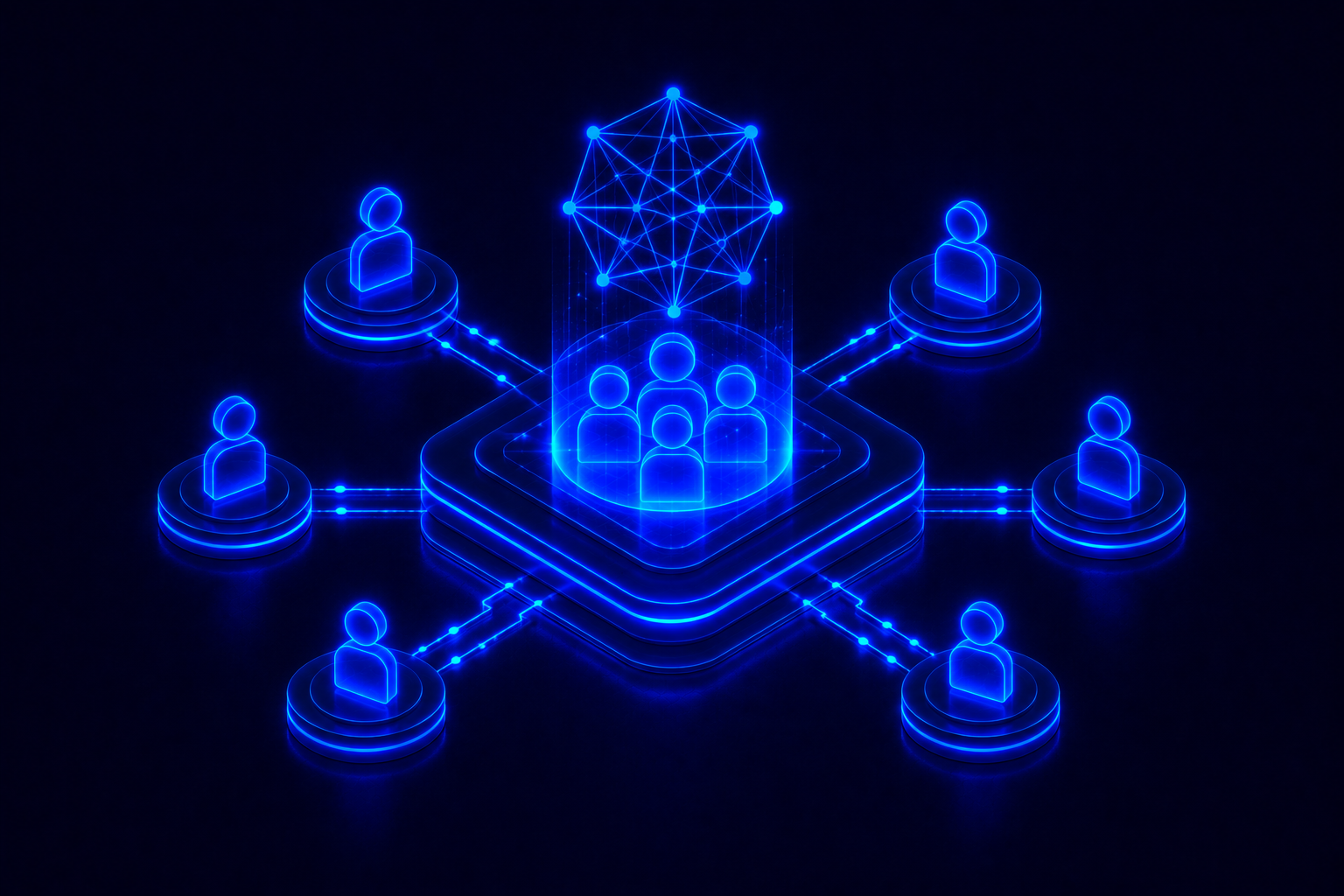
Organizations have traditionally relied on centralized leadership structures to make decisions, allocate resources, and coordinate activities. While effective in many cases, these models often depend on intermediaries and hierarchical control.
Blockchain technology introduces an alternative approach: Decentralized Autonomous Organizations (DAOs).
DAOs enable communities, projects, and businesses to coordinate and govern themselves through transparent rules encoded on-chain.
What is a DAO?
A Decentralized Autonomous Organization is an organization governed by smart contracts and community participation rather than centralized management.
Rules, voting mechanisms, and treasury management are typically recorded on a blockchain, making operations transparent and verifiable.
Members collectively influence decisions according to the governance framework established by the organization.
Why It Matters
Transparent Governance
Decisions and voting records can be publicly verified.
Global Participation
Contributors from anywhere in the world can participate.
Reduced Reliance on Intermediaries
Smart contracts automate many organizational processes.
Community Ownership
Stakeholders have direct influence over the organization’s direction.
How It Works
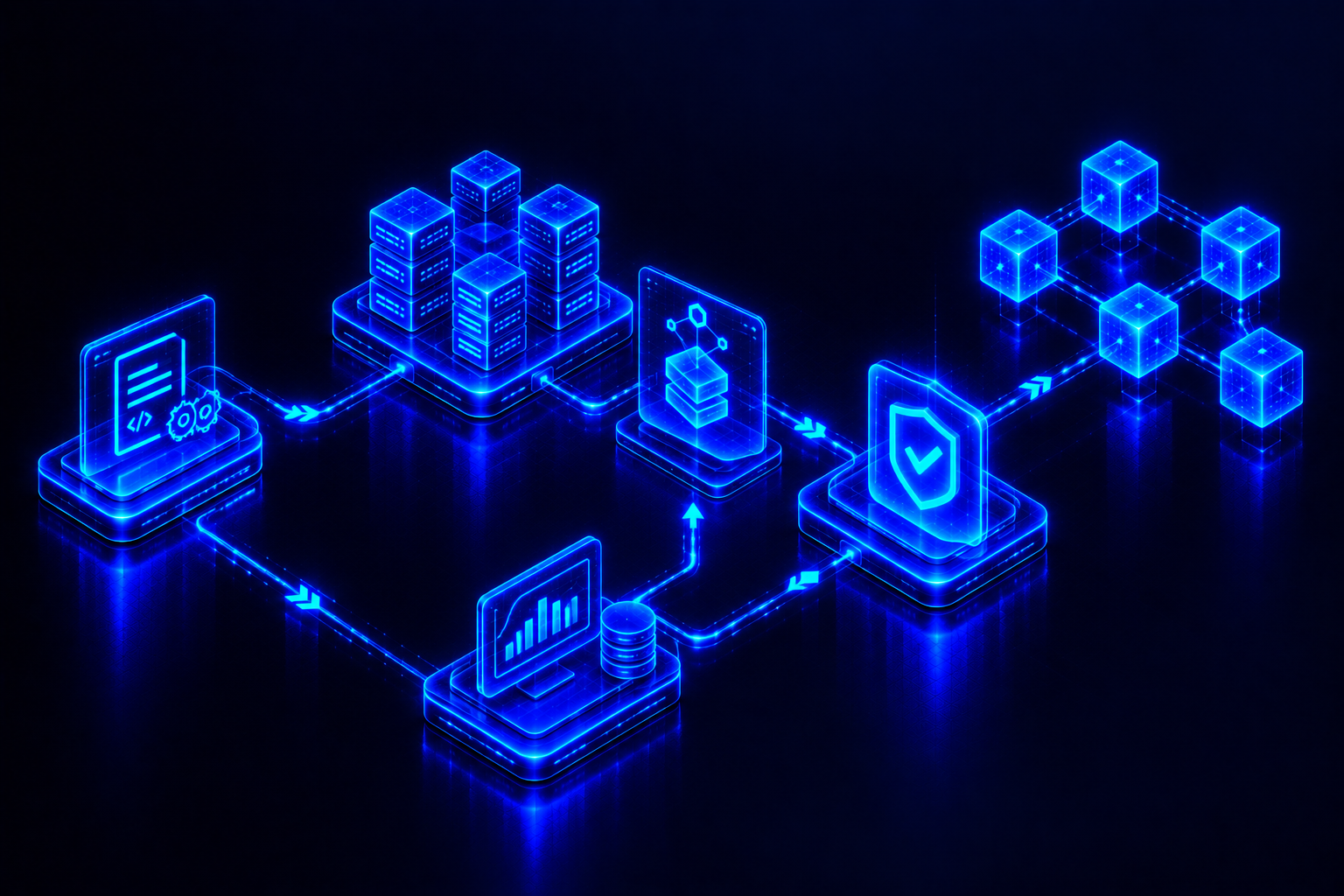
Most DAOs include several key components:
Governance Tokens
Represent participation rights within the organization.
Voting Systems
Allow members to propose and approve changes.
Smart Contracts
Automatically execute approved decisions.
Treasury Management
Community-controlled funds governed by predefined rules.
Together, these components create a decentralized operational structure.
Use Cases
Protocol Governance
Communities manage decentralized applications and infrastructure.
Investment Collectives
Groups coordinate capital allocation decisions.
Open-Source Projects
Contributors collectively direct development priorities.
Digital Communities
Members participate in governance and resource distribution.
Challenges
Despite their potential, DAOs face several challenges:
- Governance participation rates
- Voter concentration
- Decision-making efficiency
- Regulatory uncertainty
- Security of governance mechanisms
Addressing these issues remains a key area of innovation.
The Future of Digital Organizations
DAOs represent a new model for coordinating people, capital, and decision-making at internet scale. By combining transparency, automation, and community governance, they offer an alternative to traditional organizational structures.
As blockchain adoption expands, DAOs may become a common framework for managing everything from online communities to global businesses.
The future is collaborative:
organizations may no longer be defined by headquarters or executives—but by communities united through transparent digital governance.

Leave a Reply