
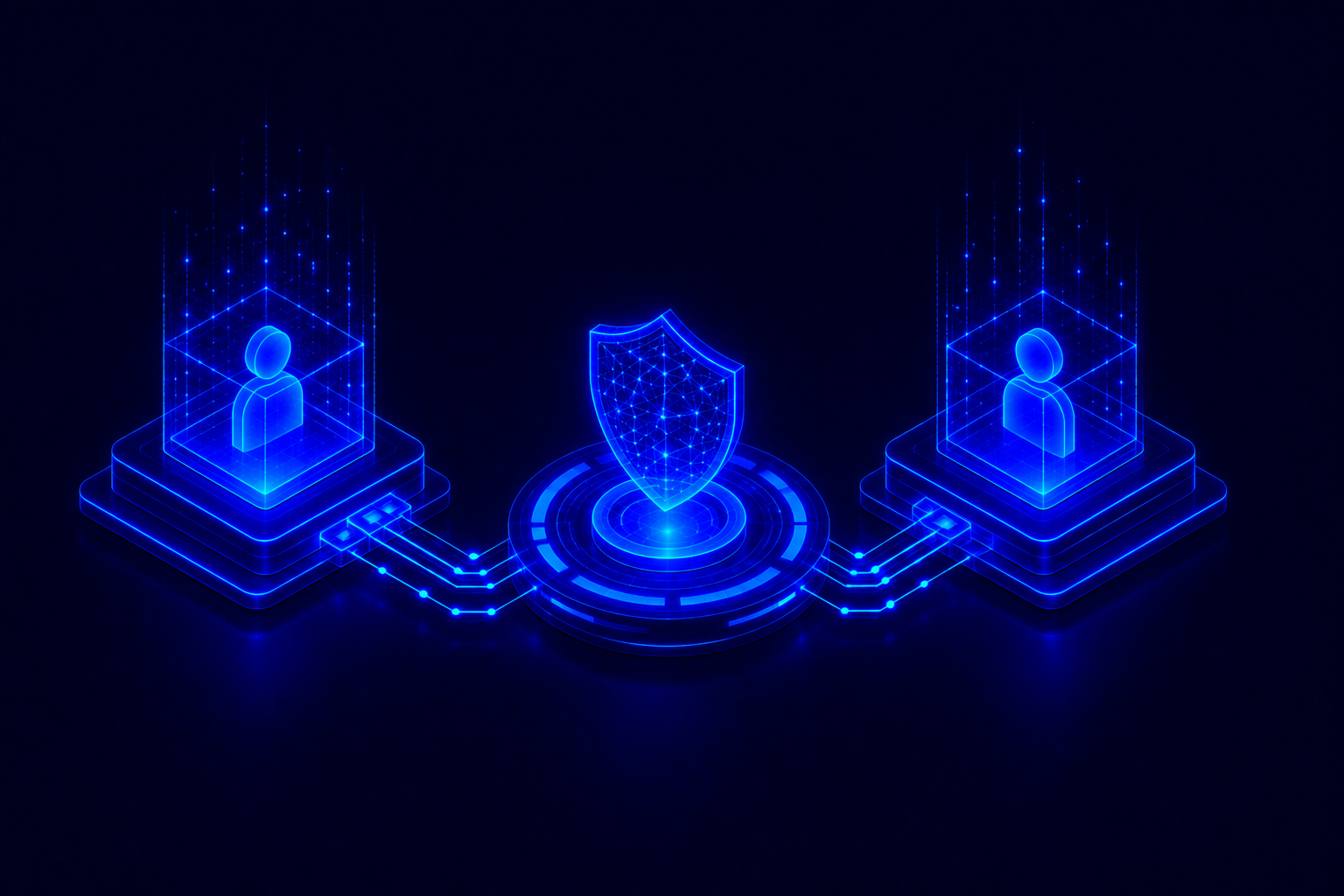
Privacy and transparency are often viewed as opposing forces. Traditional systems typically require users to reveal information in order to prove something is true.
For example:
- Showing identification to verify age
- Sharing financial records to prove solvency
- Revealing credentials to access services
Blockchain technology is introducing a different approach through Zero-Knowledge Proofs (ZKPs).
This cryptographic innovation allows someone to prove a statement is true without revealing the underlying information itself.
What Are Zero-Knowledge Proofs?
A Zero-Knowledge Proof is a cryptographic method that enables one party to convince another that a statement is valid without disclosing any additional information.
The verifier gains confidence that the claim is true while learning nothing about the secret data behind it.
In simple terms:
Proof without exposure.
Why It Matters
Stronger Privacy
Sensitive information remains hidden during verification.
Improved Security
Less data exposure means fewer attack surfaces.
Regulatory Flexibility
Verification can occur without unnecessary disclosure.
Scalable Blockchain Systems
Advanced ZK systems can increase transaction throughput.
How It Works
Zero-Knowledge systems generally involve:
Prover
The party possessing the secret information.
Verifier
The party validating the claim.
Cryptographic Proof
Mathematical evidence demonstrating correctness.
Verification Process
Confirms validity without revealing underlying data.
The result is trust through mathematics rather than disclosure.
Use Cases
Private Transactions
Users verify transfers without exposing sensitive details.
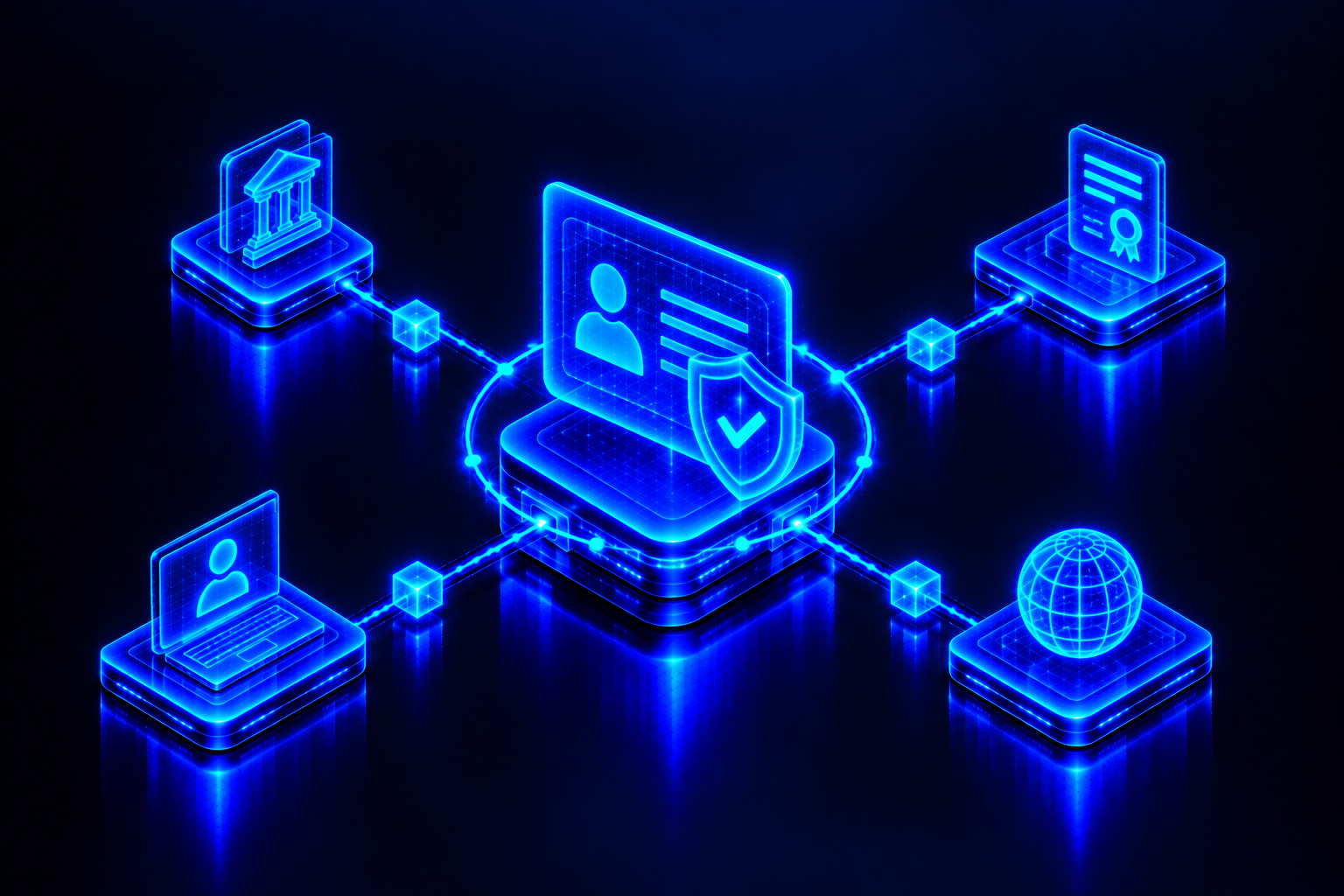
Digital Identity
Age, citizenship, or qualifications can be proven privately.
Authentication Systems
Users log in without transmitting passwords.
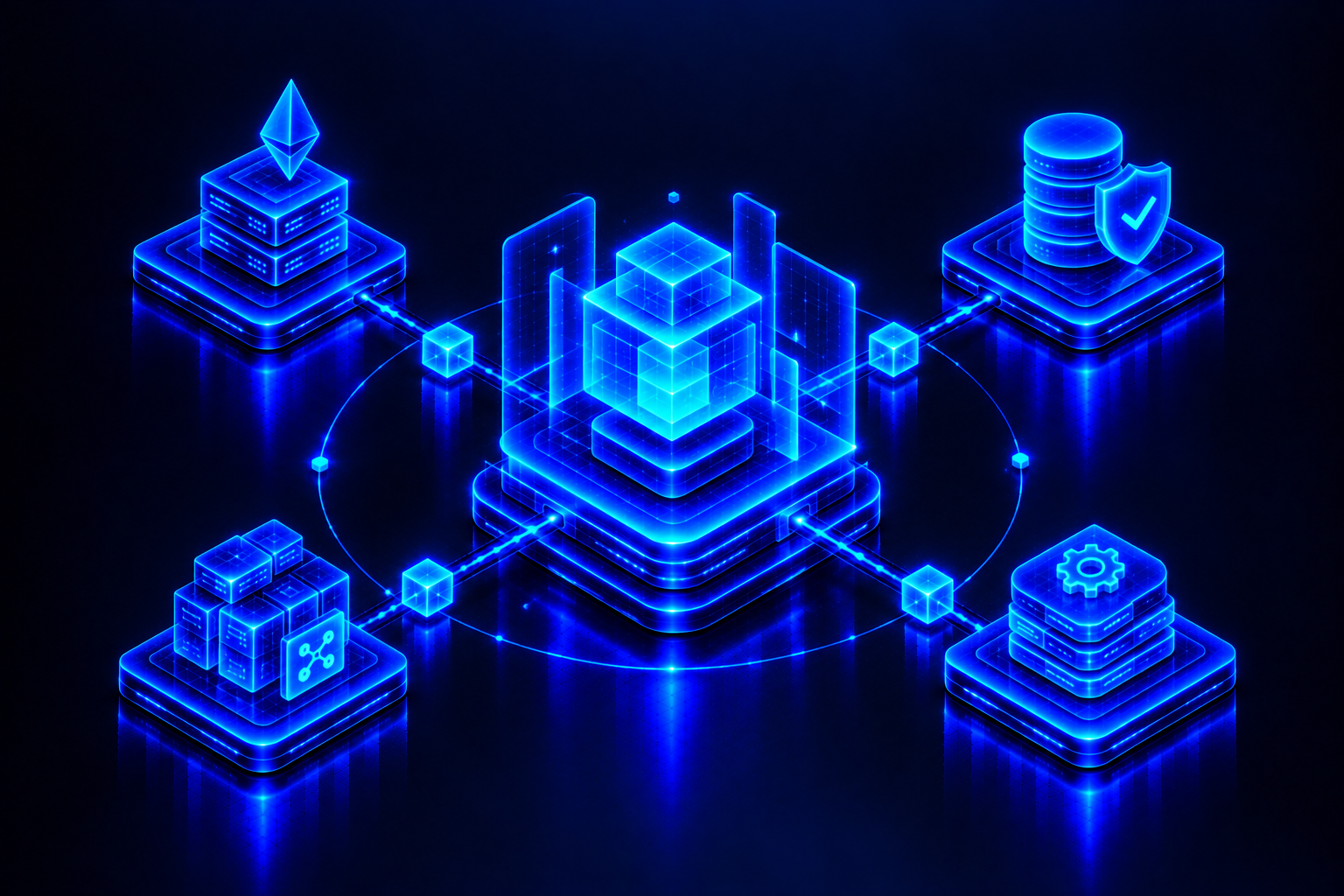
Blockchain Scaling
Rollups use ZK technology to verify large batches of transactions efficiently.
Challenges
Despite significant progress, Zero-Knowledge systems still face challenges:
- Computational complexity
- Development difficulty
- Specialized cryptographic expertise
- Proof generation costs
- Standardization across ecosystems
Research and tooling improvements continue to reduce these barriers.
The Future of Privacy
As digital systems become increasingly interconnected, the ability to verify information without exposing it may become one of the most important technologies of the next decade.
Zero-Knowledge Proofs offer a future where privacy and transparency are no longer trade-offs. Instead, they can coexist within the same system.
The future is verifiable and private:
people won’t need to reveal their data to prove the truth—they’ll simply prove the truth itself.
Leave a Reply