
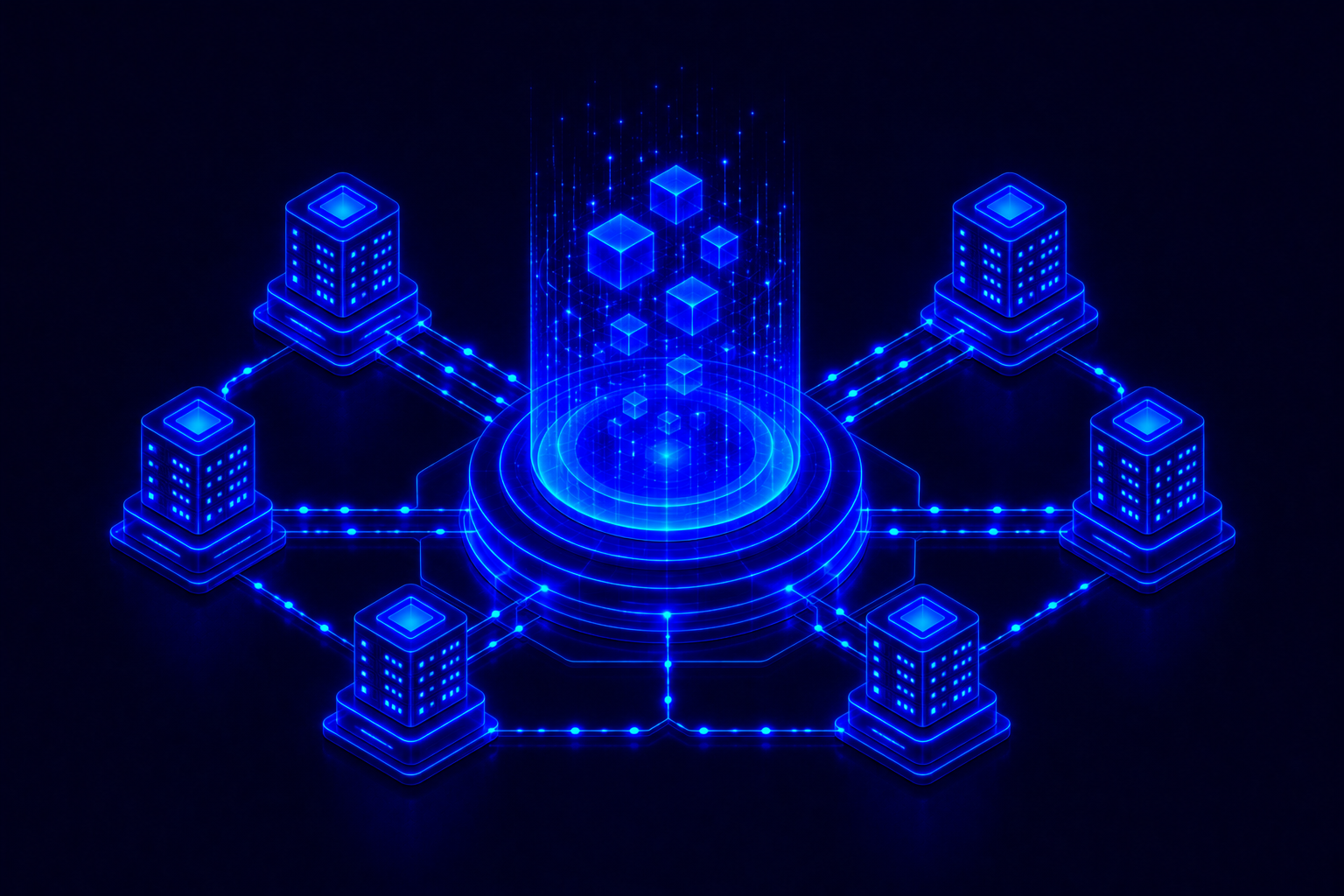
Layer 2 networks have become one of the most important solutions for blockchain scalability. They process large numbers of transactions efficiently while relying on underlying blockchains for security and settlement.
However, many current Layer 2 systems still depend on a centralized component known as a sequencer.
As the ecosystem matures, attention is shifting toward a new architecture: Decentralized Sequencers.
The goal is simple — improve scalability without sacrificing decentralization.
What is a Sequencer?
A sequencer is responsible for:
- Receiving transactions
- Determining their order
- Bundling them into batches
- Submitting results for settlement
In many Layer 2 networks today, a single entity performs this role.
While efficient, this introduces potential concerns regarding censorship, downtime, and centralization.
Why Decentralize Sequencers?
Censorship Resistance
No single operator can selectively block transactions.
Higher Availability
Network operation continues even if individual participants fail.
Stronger Decentralization
Transaction ordering becomes a shared responsibility.
Greater Trust
Users no longer depend on a single infrastructure provider.
How It Works
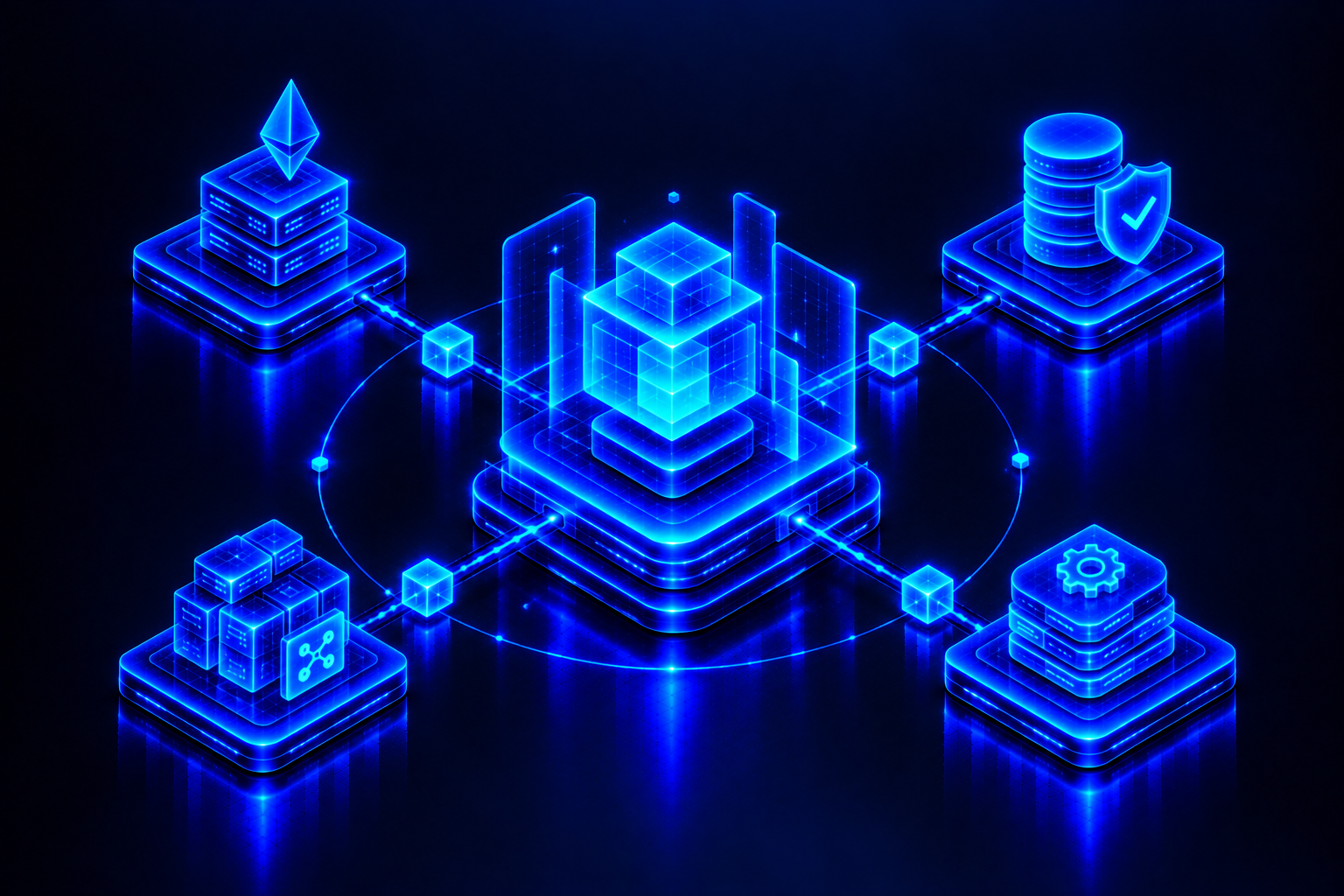
A decentralized sequencer network typically includes:
Multiple Sequencer Nodes
Independent participants propose transaction ordering.
Consensus Mechanism
Participants agree on transaction sequencing.
Shared Incentives
Economic rewards encourage honest behavior.
Verification Layer
Ensures transaction ordering follows protocol rules.
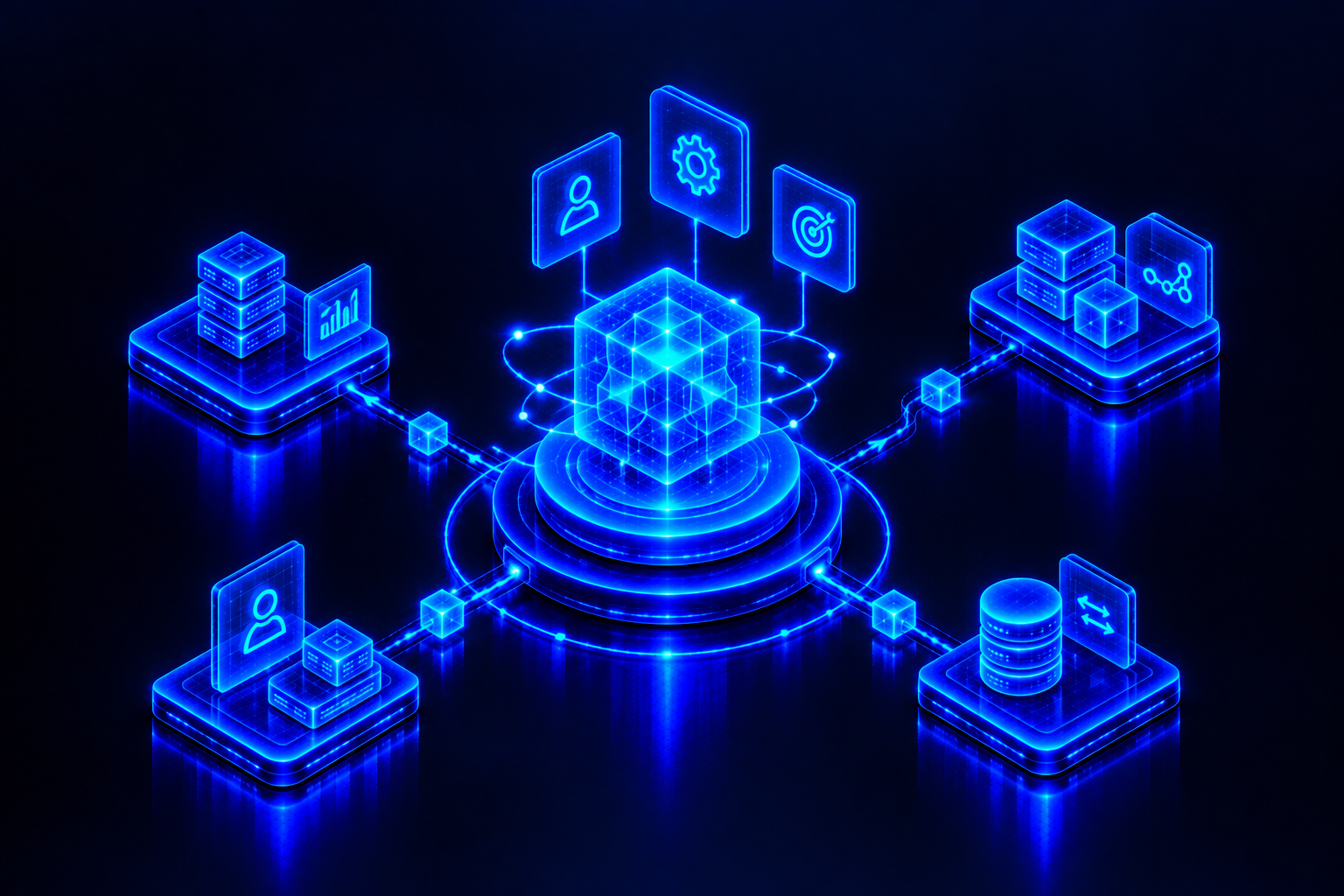
Together, these components distribute responsibility across the network.
Use Cases
Rollup Ecosystems
Improve decentralization for Layer 2 networks.
Cross-Rollup Coordination
Allow multiple scaling solutions to operate together.
High-Frequency Applications
Support gaming, trading, and social platforms.
Permissionless Infrastructure
Reduce reliance on centralized operators.
Challenges
Despite their benefits, decentralized sequencers introduce new complexities:
- Consensus overhead
- Latency management
- Incentive design
- Network coordination
- Scalability trade-offs
Balancing performance and decentralization remains a key engineering challenge.
The Future of Layer 2 Infrastructure
The first generation of Layer 2 networks focused primarily on scalability. The next generation is increasingly focused on decentralization.
Decentralized sequencers represent an important step toward fully trust-minimized scaling systems where transaction ordering, execution, and settlement all operate through distributed infrastructure.
As blockchain ecosystems continue to mature, decentralized sequencing may become a standard component of next-generation rollups.
The future is trust-minimized:
scaling solutions won’t just be fast—they’ll be operated collectively by decentralized networks rather than individual entities.
Leave a Reply