
In today’s digital world, identity is fragmented across countless platforms. From social media accounts to financial services, users constantly rely on centralized entities to manage and verify who they are.
This model creates serious challenges:
- Lack of control over personal data
- Increased risk of data breaches
- Repetitive verification processes
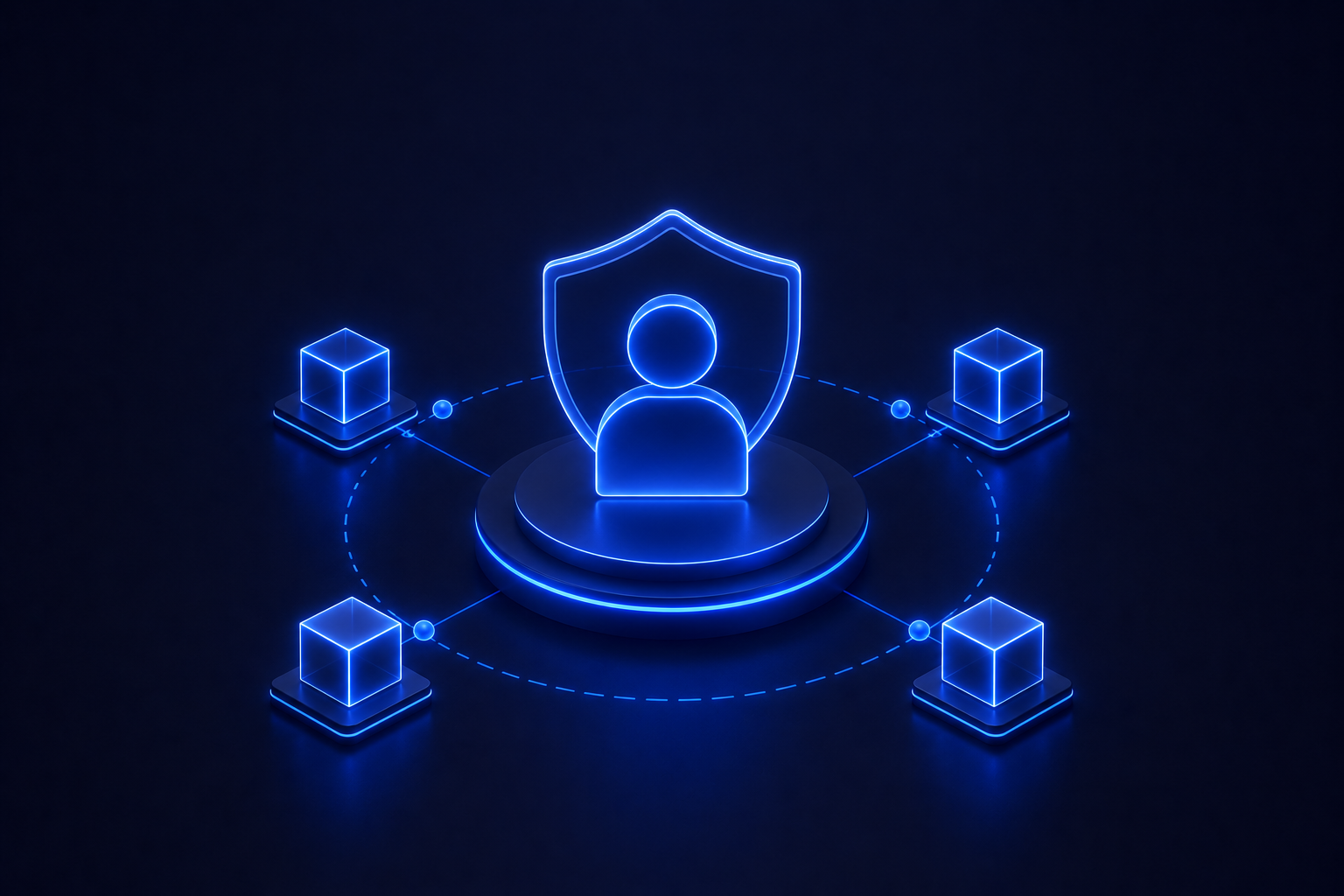
Decentralized Identity (DID) offers a new approach — one where individuals truly own and control their digital identity.
What is Decentralized Identity?
Decentralized Identity is a system where identity information is stored, managed, and verified without relying on centralized authorities.
Instead of platforms owning your data, you hold your identity in a digital wallet and share only what is necessary.
Key elements include:
- Self-sovereign identity
- Verifiable credentials
- Blockchain-based verification
Why It Matters
User Control
Individuals decide what data to share and with whom.
Enhanced Privacy
Only necessary information is disclosed — nothing more.
Improved Security
No central database means fewer large-scale breaches.
Seamless Access
Users can reuse verified credentials across multiple platforms.
How It Works
Decentralized identity systems rely on three core components:
Identity Wallets
Store personal credentials securely.
Issuers
Trusted entities that provide verifiable credentials.
Verifiers
Platforms that validate credentials without storing user data.
Blockchain ensures that credentials are authentic and tamper-proof.
Use Cases
Digital KYC
Verify identity without repeatedly submitting documents.
Access Control
Grant access to services based on verified credentials.
Web3 Platforms
Enable seamless login without passwords.
Education & Certifications
Store and verify academic records digitally.
Challenges
While DID is promising, several challenges remain:
- Standardization across platforms
- Regulatory acceptance
- User experience design
- Key management for users
The Future of Digital Identity
Decentralized Identity represents a shift from platform-owned data to user-owned identity. It aligns with the core principles of Web3 — privacy, security, and decentralization.
As adoption grows, DID could become the foundation for how individuals interact online — replacing passwords, reducing friction, and restoring control to users.
The future is simple:
your identity won’t live on platforms — it will live with you.


Leave a Reply