
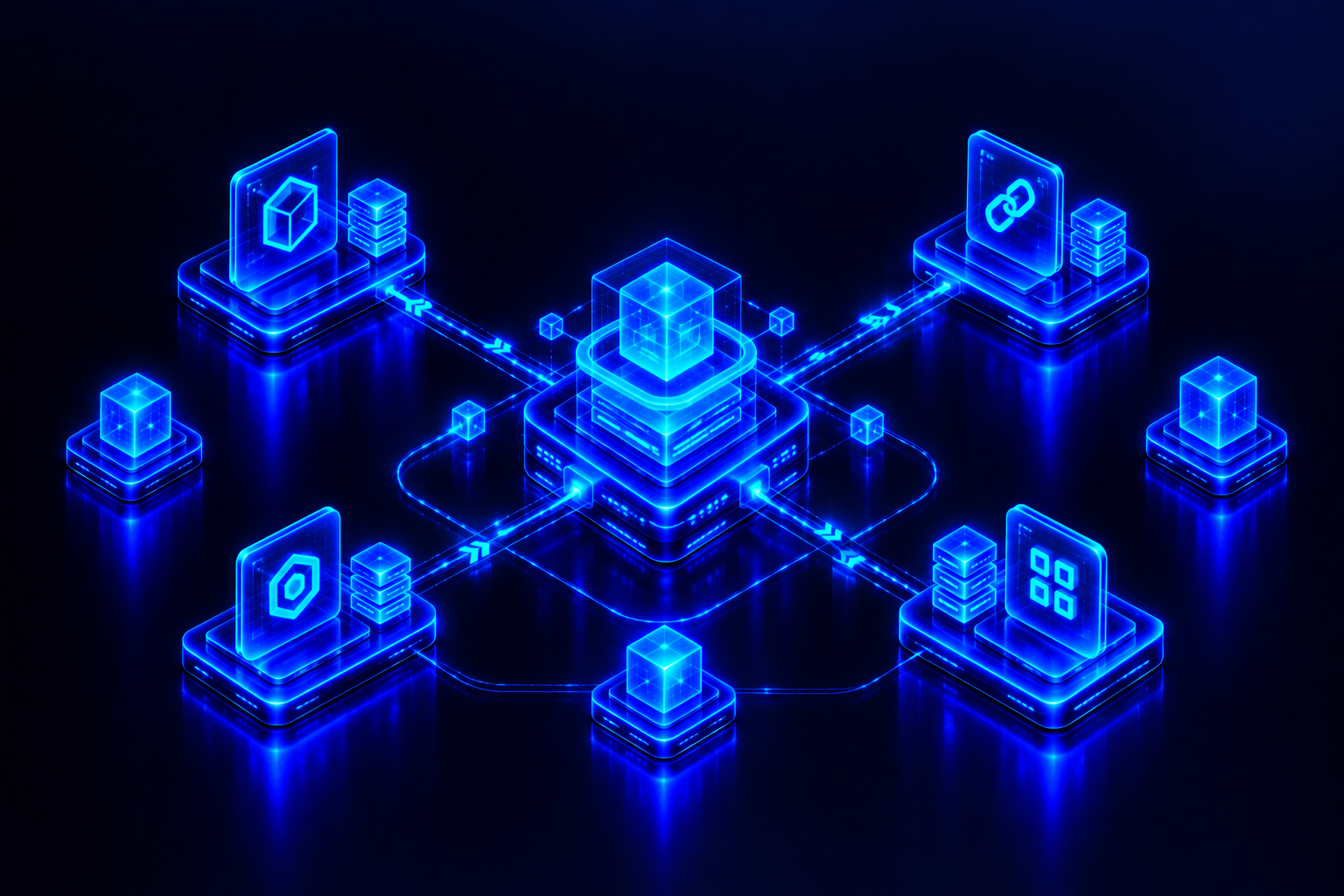
The growth of Layer 2 networks has made blockchain ecosystems significantly more scalable.
However, as more rollups and Layer 2 networks emerge, a new challenge appears: fragmentation.
Different networks may have their own sequencers, transaction ordering systems, and execution environments. This can make communication between Layer 2 networks more complicated and can limit interoperability.
Shared Sequencing introduces a potential solution.
Instead of every rollup operating its own isolated sequencing infrastructure, multiple networks can share a common sequencing layer responsible for coordinating transaction ordering.
This could create a more connected and composable Layer 2 ecosystem.
What Is Shared Sequencing?
A sequencer is responsible for ordering transactions before they are executed and eventually settled on a blockchain.
In a traditional rollup architecture, each rollup may operate its own sequencer.
With Shared Sequencing, multiple rollups can rely on a common decentralized sequencing system.
The shared sequencer can coordinate transactions across participating networks, creating a synchronized ordering environment.
In simple terms:
Independent rollups → shared transaction ordering → better coordination
Why It Matters
1️⃣ Better Cross-Rollup Interoperability
A common sequencing layer can make communication between different rollups more efficient.
2️⃣ Faster Composability
Applications operating across multiple Layer 2 networks can potentially coordinate transactions more effectively.
3️⃣ Reduced Fragmentation
Instead of every rollup building completely independent sequencing infrastructure, multiple networks can share the same coordination layer.
4️⃣ Improved Transaction Coordination
Shared sequencing can provide a consistent ordering mechanism for transactions originating from different rollups.
How It Works
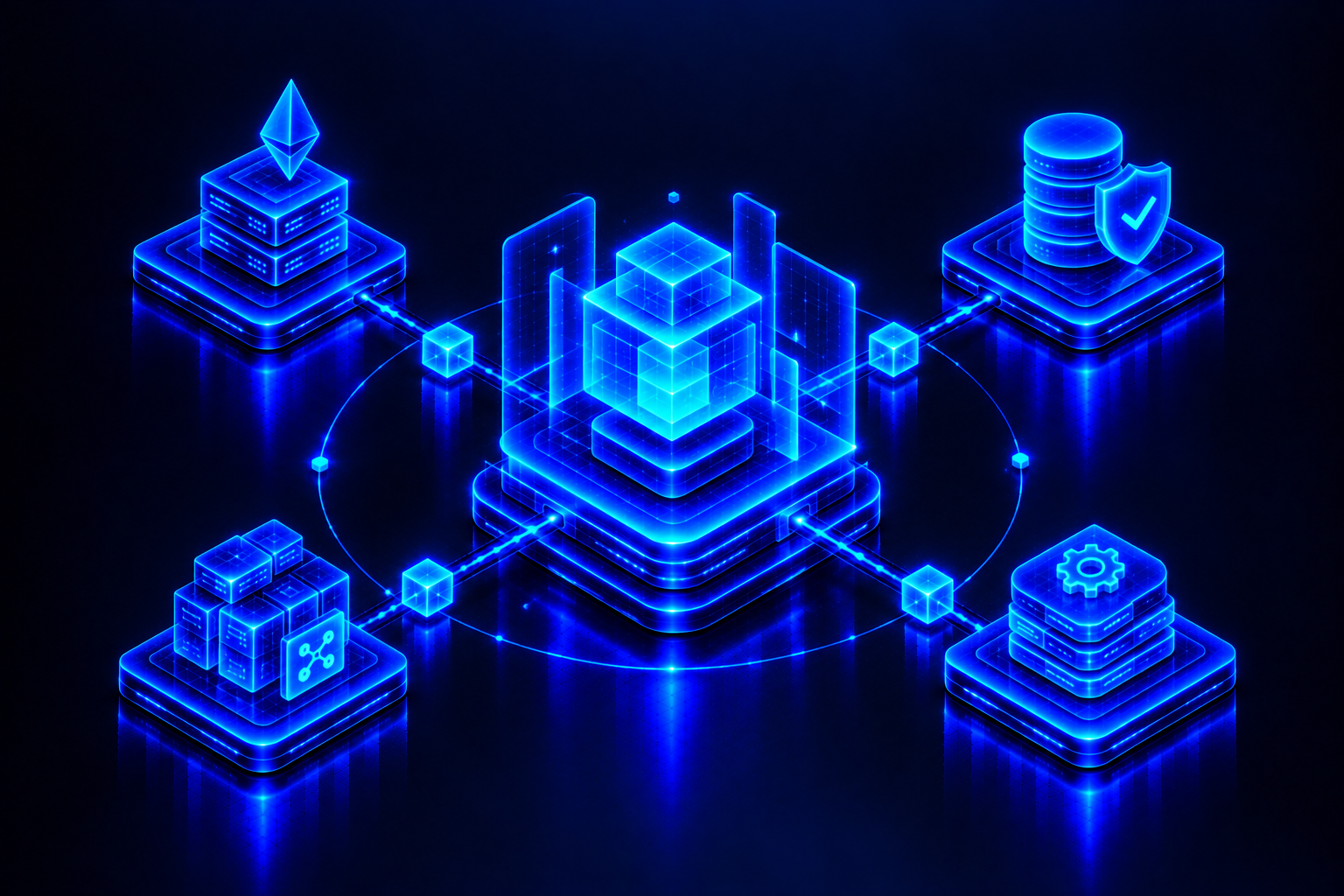
A typical shared sequencing architecture includes several components:
🔹 Multiple Rollups
Different Layer 2 networks submit transactions to the shared sequencing infrastructure.
🔹 Shared Sequencer
The sequencer orders transactions from multiple participating networks.
🔹 Execution Layers
Each rollup executes transactions according to its own rules and state.
🔹 Settlement Layer
The resulting state commitments and proofs can eventually be settled on an underlying blockchain.
This separation allows rollups to maintain their individual execution environments while sharing an important part of their infrastructure.
Use Cases
Cross-Rollup DeFi
Users could interact with liquidity and financial applications across multiple rollups with more coordinated transaction execution.
Gaming Ecosystems
Different applications or game environments could operate on separate rollups while sharing infrastructure for faster communication.
Multi-Chain Applications
Applications distributed across several Layer 2 networks could benefit from a more synchronized transaction environment.
Modular Blockchain Systems
Shared sequencing can become an infrastructure layer connecting specialized execution environments.
Shared Sequencing and Atomic Transactions
One of the most interesting possibilities is improved support for atomic cross-rollup operations.
Imagine a transaction that requires actions on two different Layer 2 networks.
With isolated sequencers, coordinating these operations can be difficult.
A shared sequencing layer can potentially order the related transactions together, making cross-rollup execution more predictable.
This could unlock new types of applications that are difficult to build when every rollup operates as an isolated environment.
Challenges
Shared sequencing also introduces important challenges:
- Sequencer decentralization
- Economic incentives
- Failure handling
- Network coordination
- Governance
- Censorship resistance
A shared sequencer can become a critical piece of infrastructure.
If too much control is concentrated within a small number of operators, the system could introduce new centralization risks.
For this reason, decentralized and permissionless sequencing mechanisms are an important area of research.
The Future of Layer 2
The future of Ethereum scaling may not consist of a single dominant Layer 2 network.
Instead, many specialized rollups could coexist, each optimized for different applications and workloads.
The challenge is making these networks feel like parts of the same ecosystem rather than completely isolated blockchains.
Shared Sequencing could provide one of the infrastructure layers needed to achieve this vision.
By separating execution from transaction coordination, multiple rollups can maintain their independence while becoming more closely connected.
The future is coordinated:
Layer 2 networks don’t need to become one chain—they need infrastructure that allows them to operate like one connected ecosystem.

Leave a Reply