
Latest Articles
-
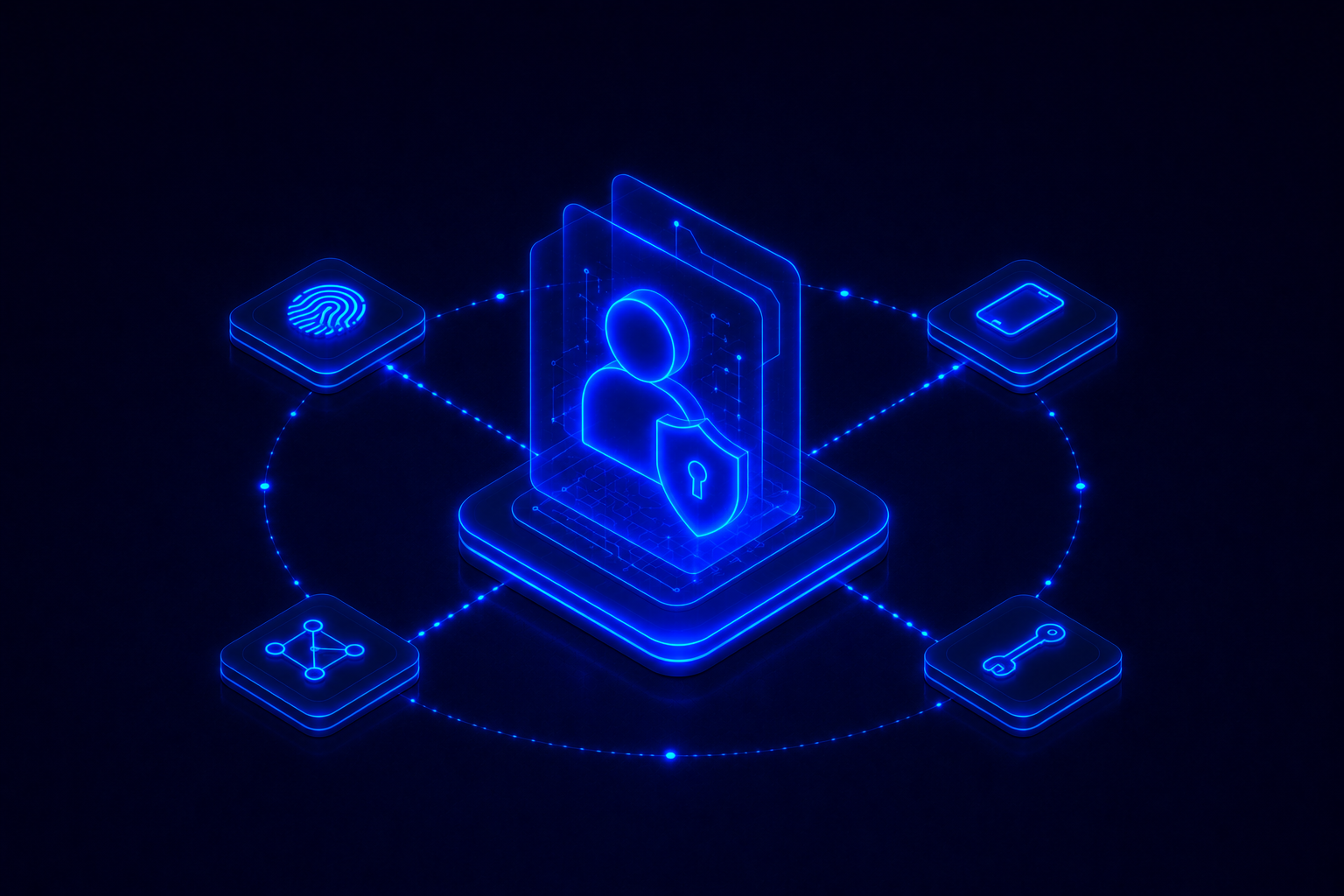
Account Abstraction: Making Blockchain Accounts Smarter
For most users, interacting with blockchain still feels more complicated than using traditional applications. Managing private keys, holding gas tokens, approving transactions, and recovering lost wallets can create significant friction. To solve these usability challenges, the blockchain industry is moving toward a powerful concept known as Account Abstraction. Rather than forcing users to adapt to…
-

Verifiable Computation: Proving Results Without Repeating the Work
As blockchain applications become more advanced, they increasingly require complex computations. However, performing heavy calculations directly on-chain is often expensive, slow, and inefficient. This creates a challenge: How can a blockchain trust a computation without executing it itself? The answer lies in Verifiable Computation — a technology that allows one party to perform a computation…
-
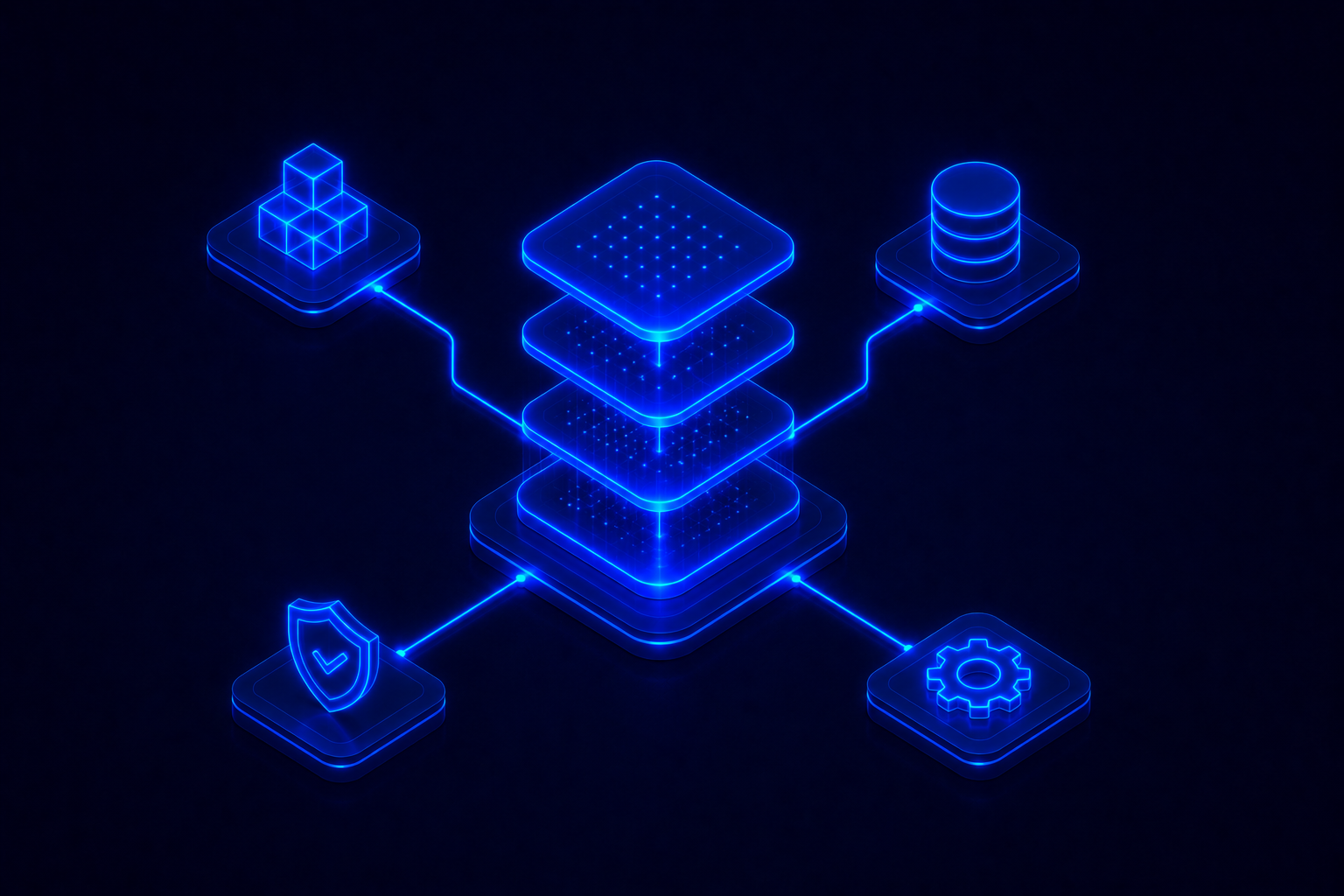
Modular Blockchains: Building Scalable Networks Through Specialization
For years, most blockchains have followed a monolithic design where a single network is responsible for every major function: executing transactions, storing data, achieving consensus, and ensuring security. While this approach works, it often creates scalability limitations as demand grows. To address these challenges, a new architecture is gaining momentum: Modular Blockchains. Rather than forcing…
-
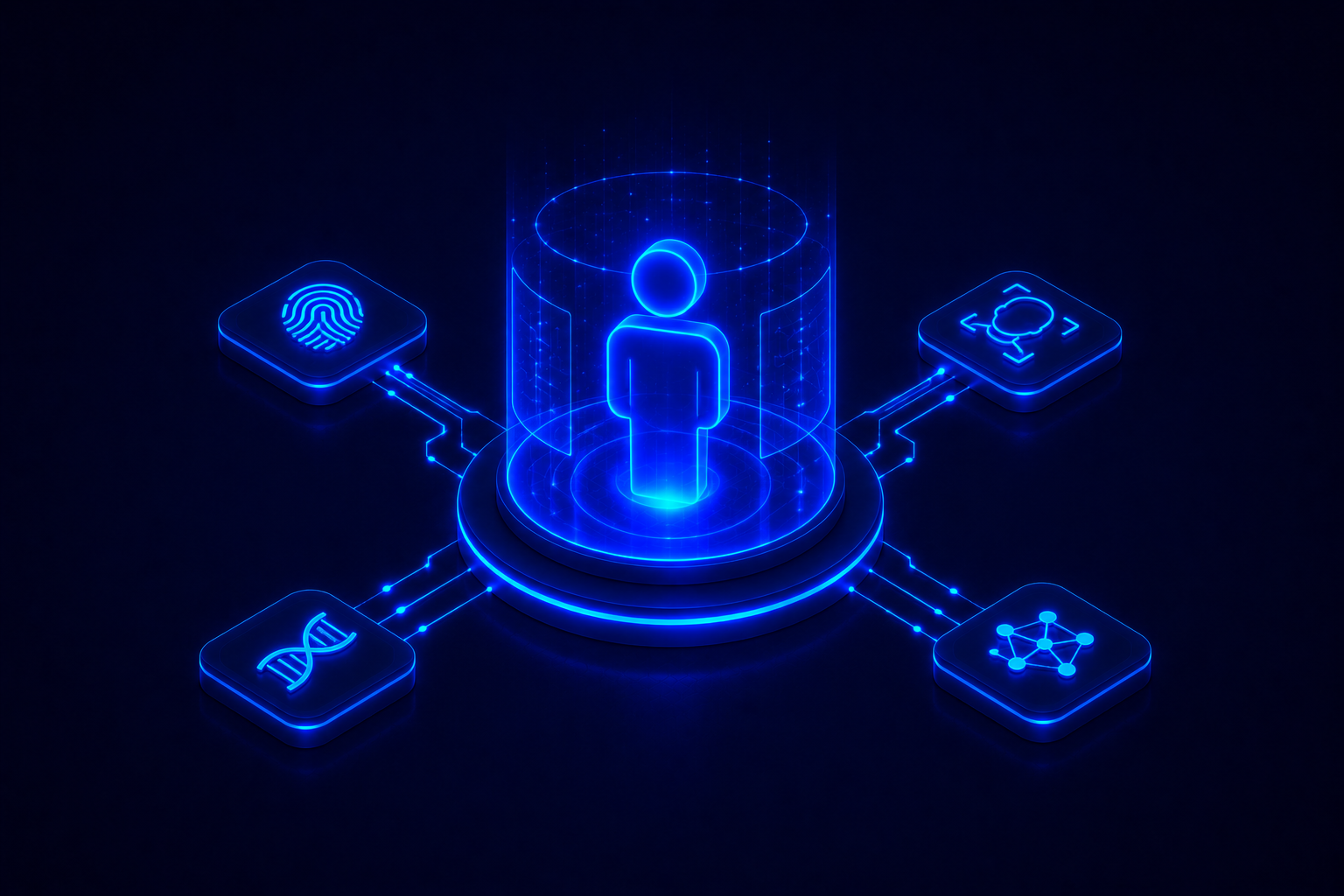
Proof of Humanity: Verifying Real People in the Age of AI
As artificial intelligence becomes more advanced and automated bots become increasingly sophisticated, distinguishing between humans and machines is becoming a major challenge for digital platforms. From governance systems and online communities to financial applications and decentralized networks, proving that a participant is a real human is becoming more important than ever. This challenge has led…
-

Blockchain-Based Reputation Systems: Building Trust in a Decentralized World
Trust is a fundamental component of every digital interaction. Whether buying a product online, lending assets in DeFi, or hiring a freelancer, users rely on reputation to evaluate credibility. Traditional reputation systems are typically controlled by centralized platforms, meaning ratings, reviews, and user histories are stored within isolated ecosystems. Blockchain introduces a new approach: Decentralized…
-
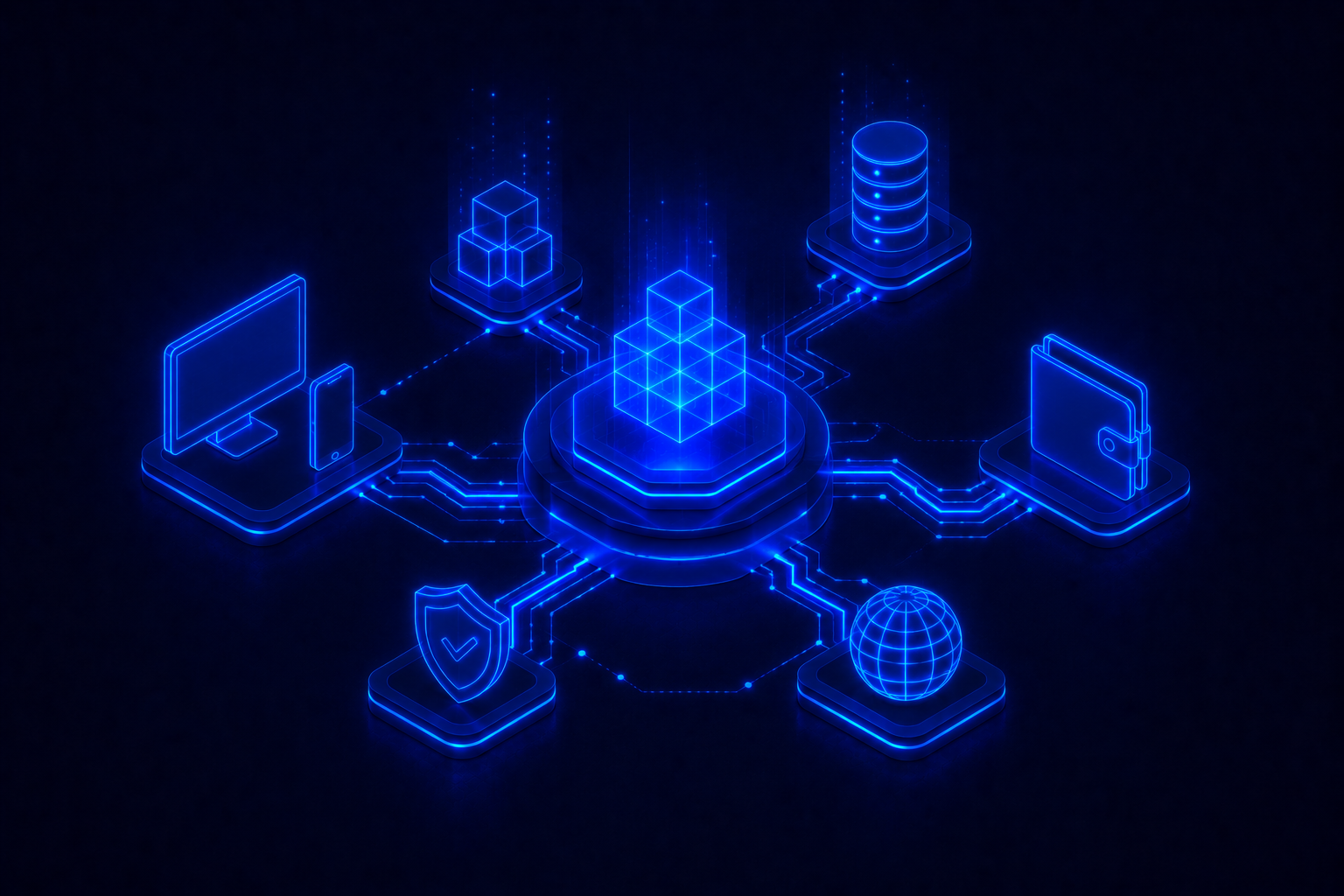
Chain Abstraction: Making Blockchain Networks Invisible to Users
As the blockchain ecosystem expands, users are increasingly faced with a fragmented experience. Different wallets, networks, bridges, gas tokens, and transaction processes create unnecessary complexity. Most users don’t actually care which blockchain they’re using — they simply want their applications to work. This challenge has led to the emergence of Chain Abstraction, a concept focused…
-
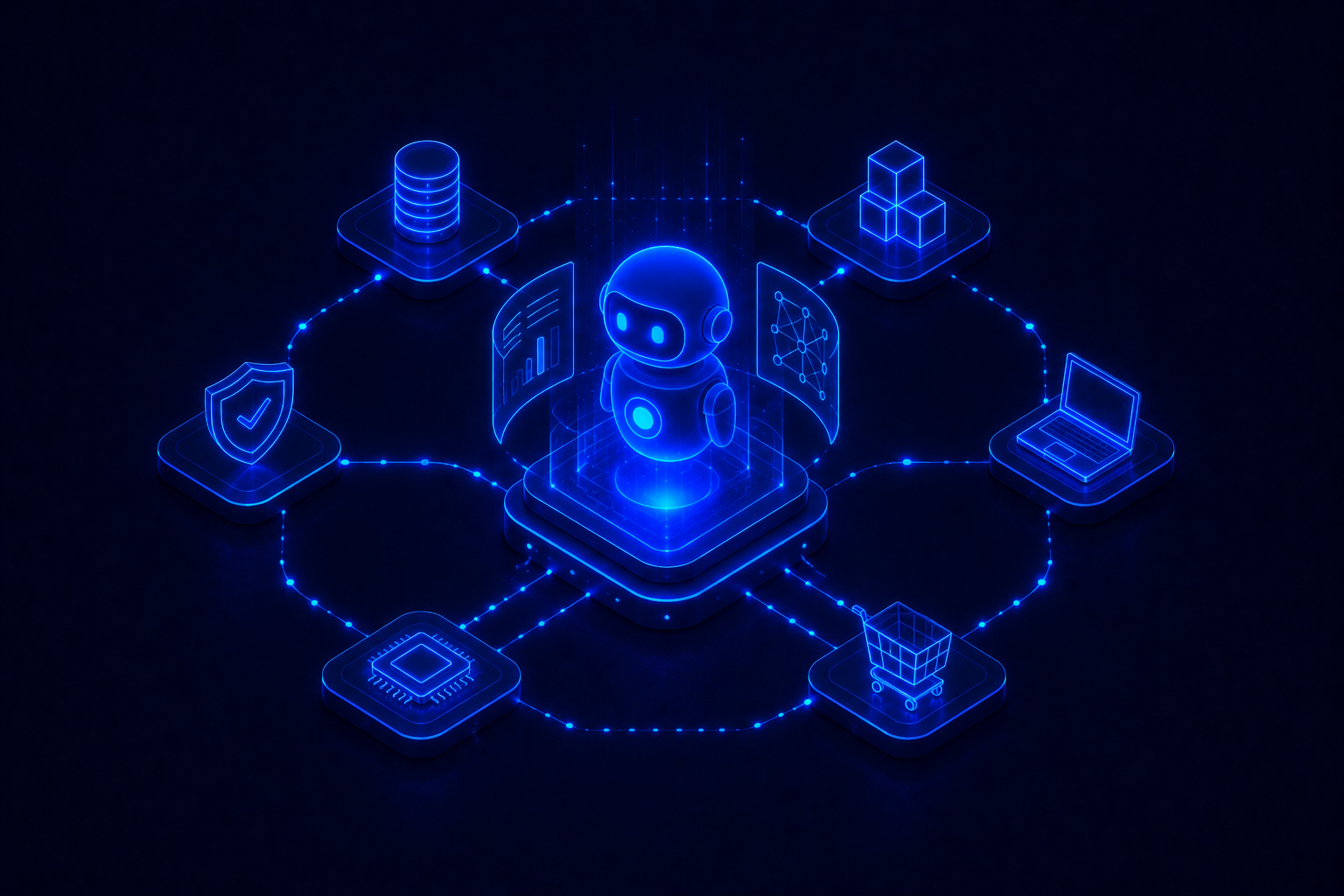
AI Agents on Blockchain: The Rise of Autonomous Digital Participants
Artificial Intelligence and blockchain are two of the most transformative technologies of our time. Individually, they are reshaping industries. Together, they are creating an entirely new category of digital systems: AI Agents on Blockchain. These agents are capable of making decisions, executing transactions, interacting with protocols, and coordinating with other agents — all without continuous…
-
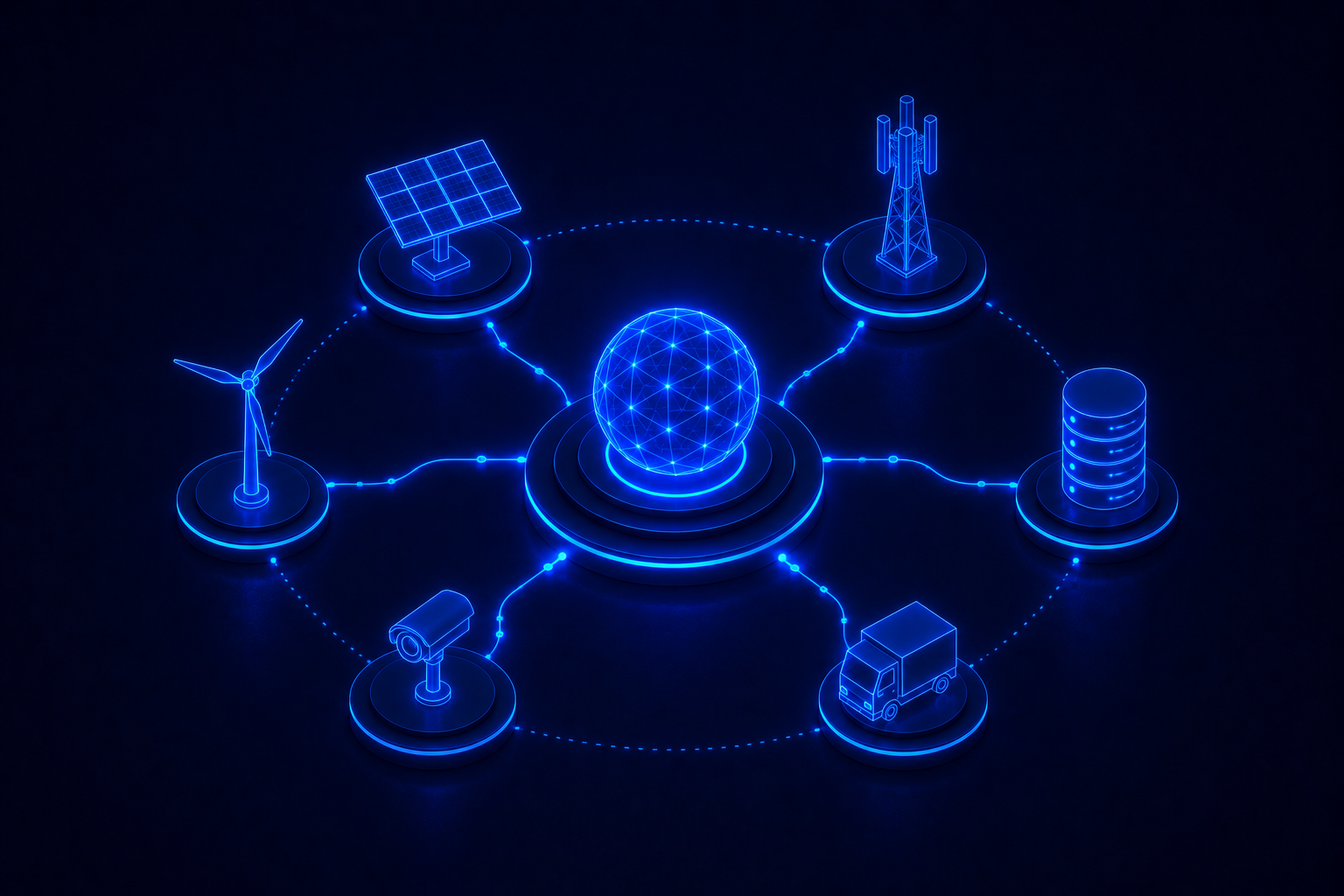
Decentralized Physical Infrastructure Networks (DePIN): Powering Real-World Systems Through Blockchain
Blockchain is no longer limited to digital assets and online applications. A new movement is emerging that connects decentralized networks with real-world infrastructure — from wireless connectivity and cloud storage to energy grids and sensor networks. This evolution is known as DePIN (Decentralized Physical Infrastructure Networks). DePIN combines blockchain incentives with physical infrastructure, enabling communities…
-
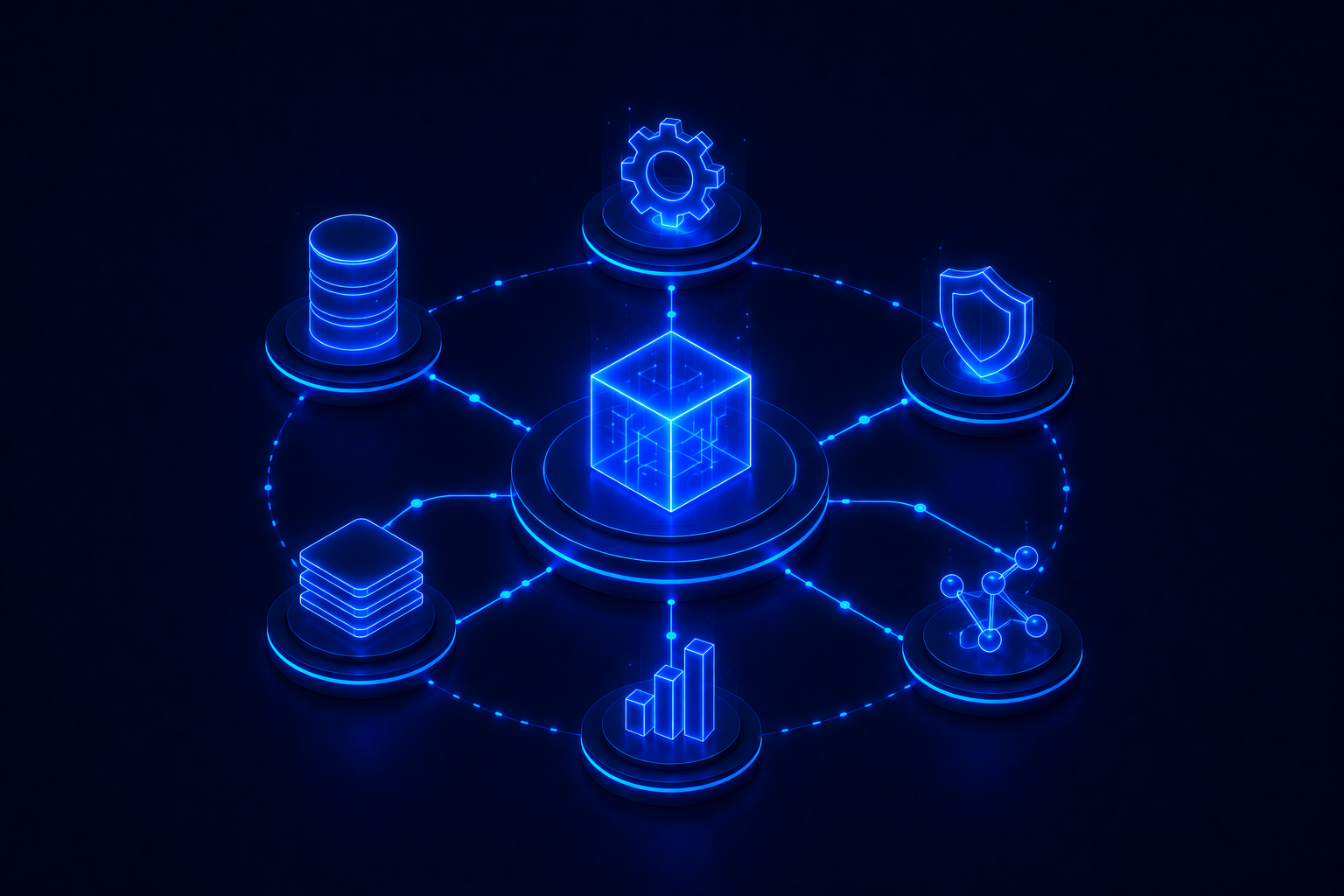
Autonomous Smart Contracts: When Blockchain Logic Becomes Self-Operating
Smart contracts transformed blockchain by enabling automated execution without intermediaries. But as decentralized systems evolve, a new generation of contracts is emerging — contracts that don’t just execute predefined rules, but actively respond, adapt, and operate with minimal human intervention. This evolution is leading toward Autonomous Smart Contracts — self-operating blockchain systems capable of managing…
-
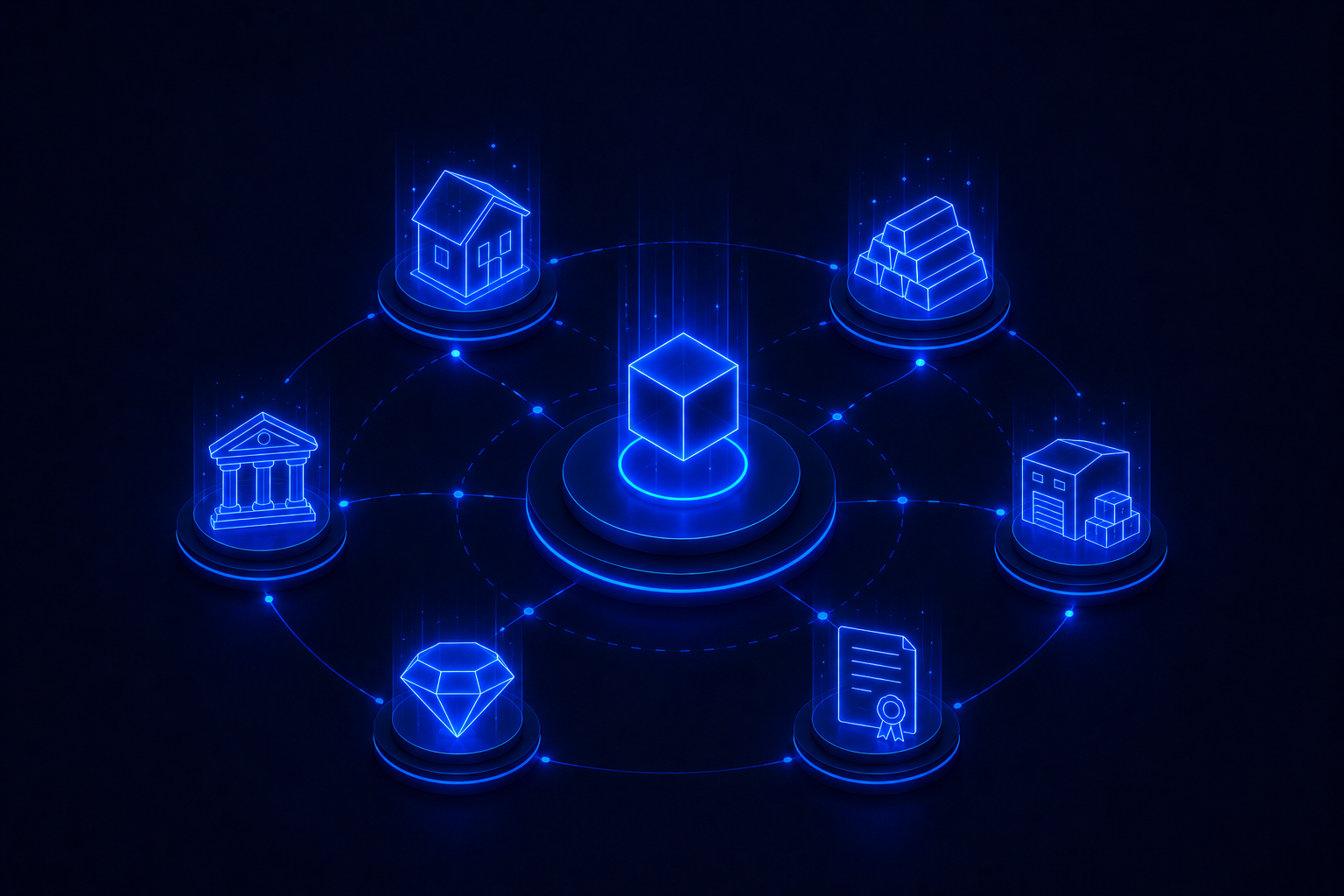
Real-World Assets (RWA): Bridging Traditional Finance and Blockchain
Blockchain technology has transformed digital assets, but one of its most powerful opportunities lies beyond crypto-native use cases. What if physical and traditional financial assets could exist on-chain? This is the idea behind Real-World Assets (RWA) — bringing assets like real estate, bonds, commodities, and invoices into the blockchain ecosystem. What Are Real-World Assets (RWA)?…
Interested in latest articles?