
Category: Uncategorized
-
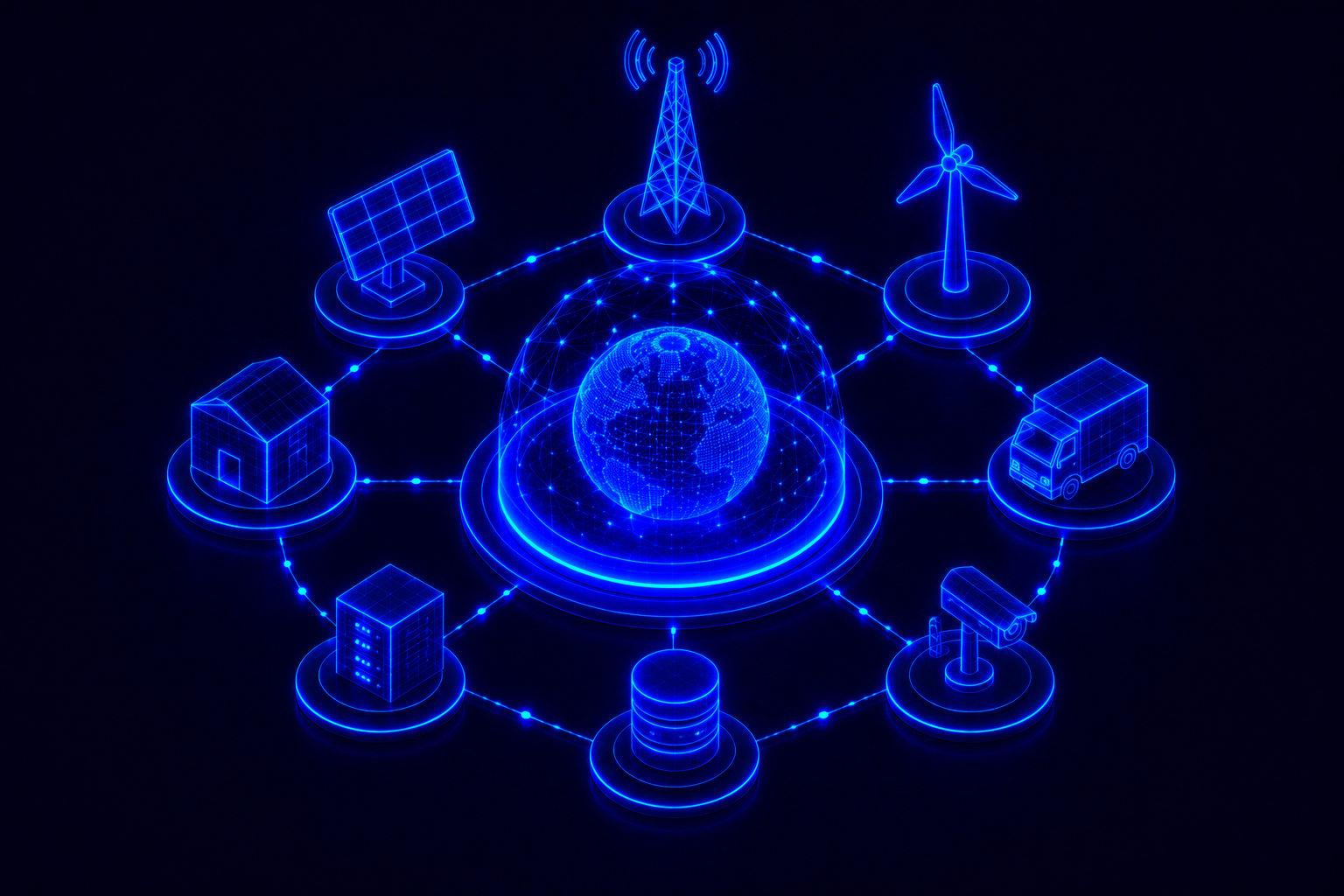
Decentralized Physical Infrastructure Networks (DePIN): Bringing Blockchain Into the Real World
For much of its history, blockchain technology has focused on digital assets, financial systems, and online applications. However, a new movement is extending decentralization beyond software and into the physical world. This emerging sector is known as Decentralized Physical Infrastructure Networks (DePIN). By combining blockchain incentives with real-world hardware, DePIN enables communities to collectively build…
-

Intent-Centric Blockchain: Moving Beyond Transactions
Most blockchain systems today focus on a familiar model: users specify exactly how a transaction should be executed. They choose networks, approve actions, manage gas fees, and manually define every step. However, a new paradigm is emerging that shifts the focus from execution details to desired outcomes. This concept is known as Intent-Centric Blockchain Architecture.…
-
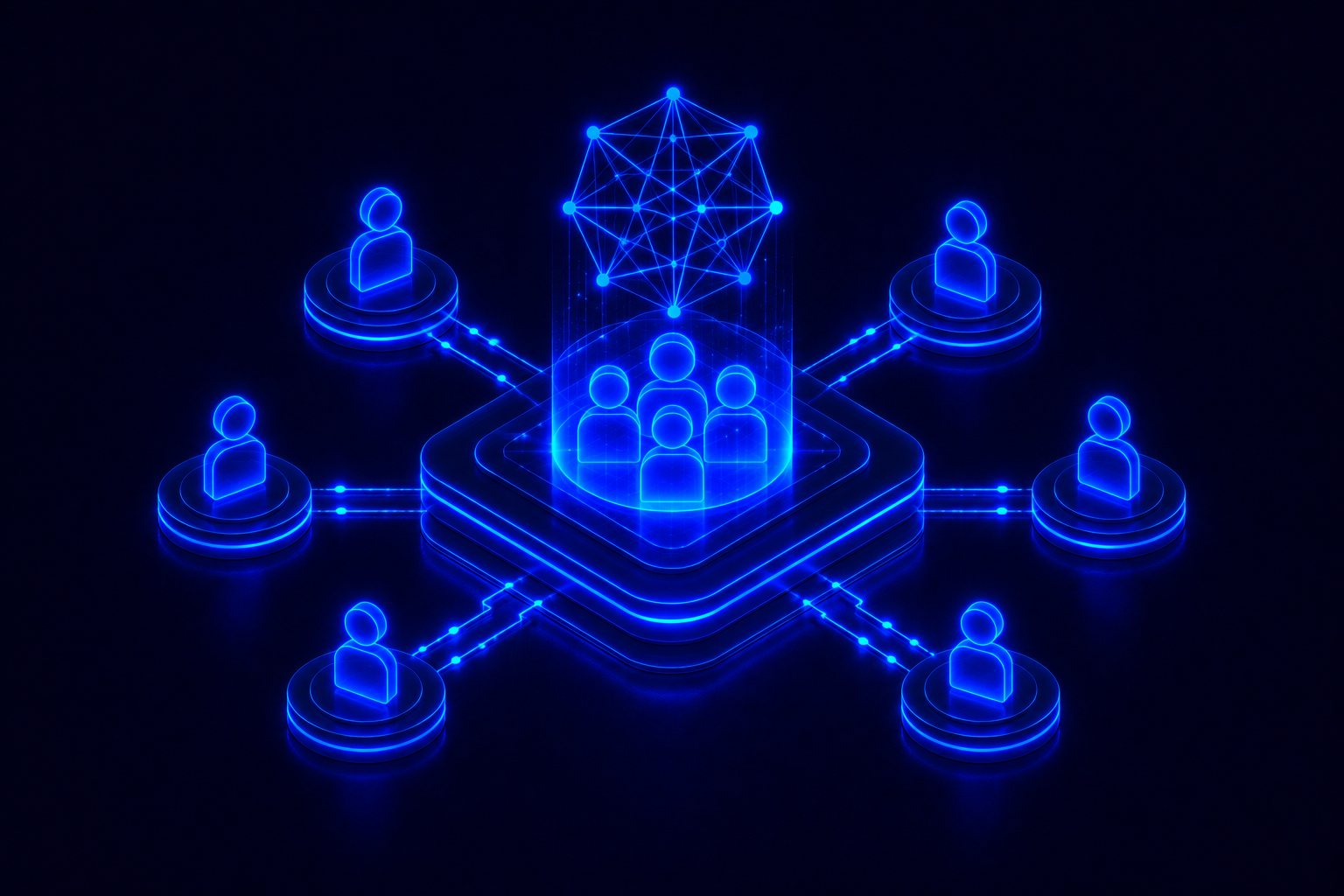
Decentralized Autonomous Organizations (DAOs): Redefining Collective Decision-Making
Organizations have traditionally relied on centralized leadership structures to make decisions, allocate resources, and coordinate activities. While effective in many cases, these models often depend on intermediaries and hierarchical control. Blockchain technology introduces an alternative approach: Decentralized Autonomous Organizations (DAOs). DAOs enable communities, projects, and businesses to coordinate and govern themselves through transparent rules encoded…
-
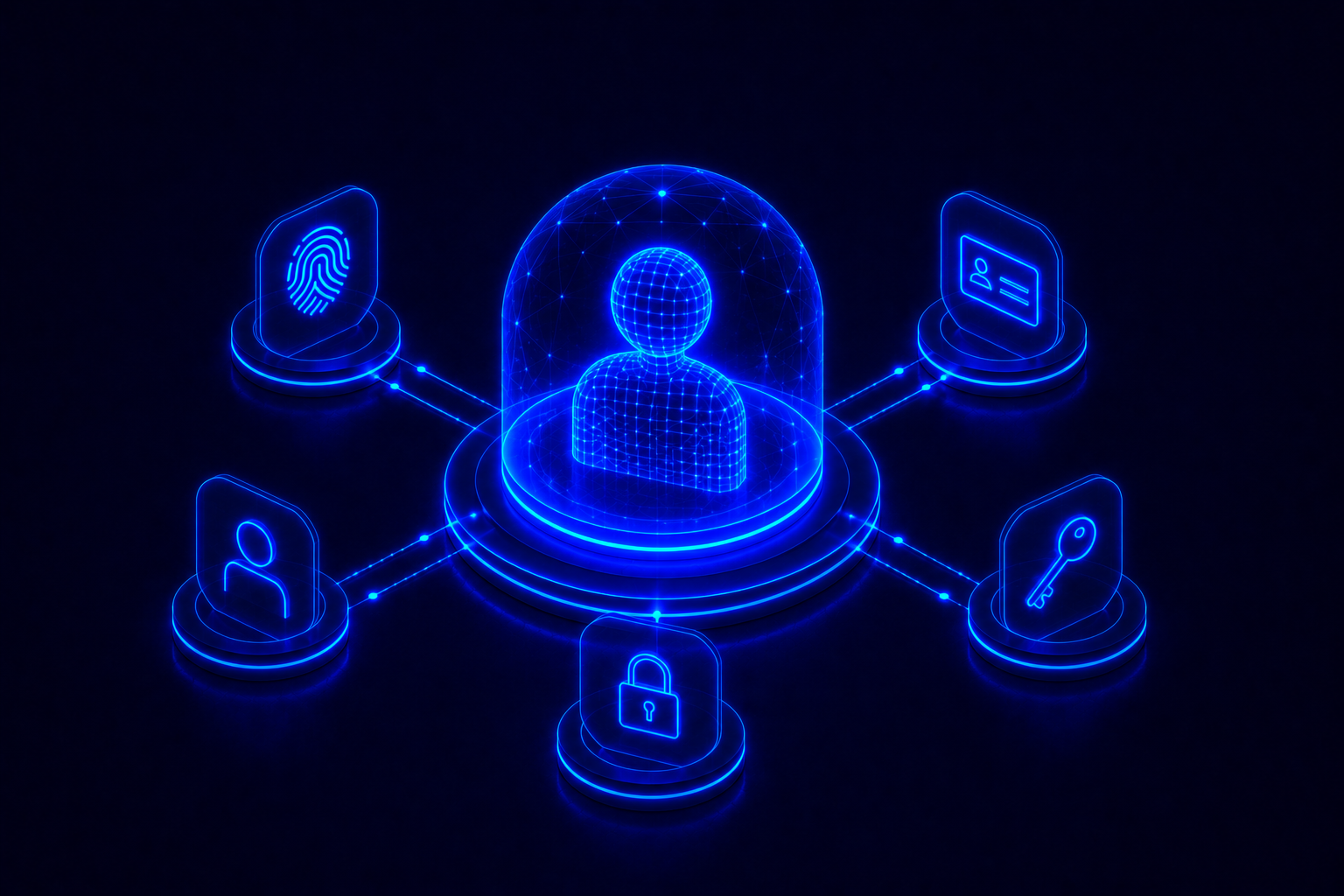
Decentralized Identity (DID): Owning Your Digital Identity
In today’s internet, digital identities are largely controlled by centralized platforms. Every service maintains its own user accounts, credentials, and verification systems, resulting in fragmented identities spread across countless databases. This model creates challenges related to privacy, security, and user control. Decentralized Identity (DID) aims to change this by giving individuals direct ownership of their…
-
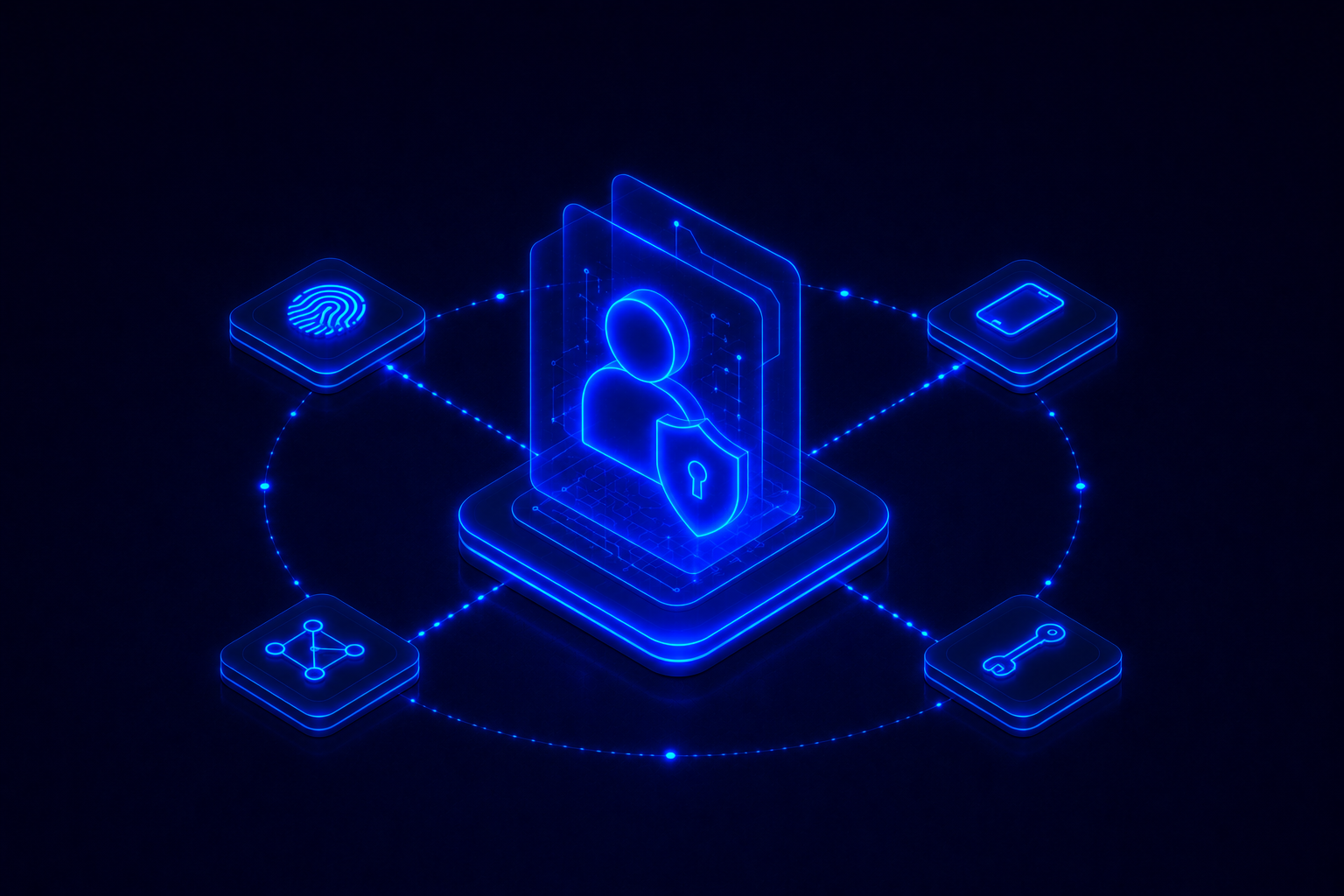
Account Abstraction: Making Blockchain Accounts Smarter
For most users, interacting with blockchain still feels more complicated than using traditional applications. Managing private keys, holding gas tokens, approving transactions, and recovering lost wallets can create significant friction. To solve these usability challenges, the blockchain industry is moving toward a powerful concept known as Account Abstraction. Rather than forcing users to adapt to…
-

Verifiable Computation: Proving Results Without Repeating the Work
As blockchain applications become more advanced, they increasingly require complex computations. However, performing heavy calculations directly on-chain is often expensive, slow, and inefficient. This creates a challenge: How can a blockchain trust a computation without executing it itself? The answer lies in Verifiable Computation — a technology that allows one party to perform a computation…
-
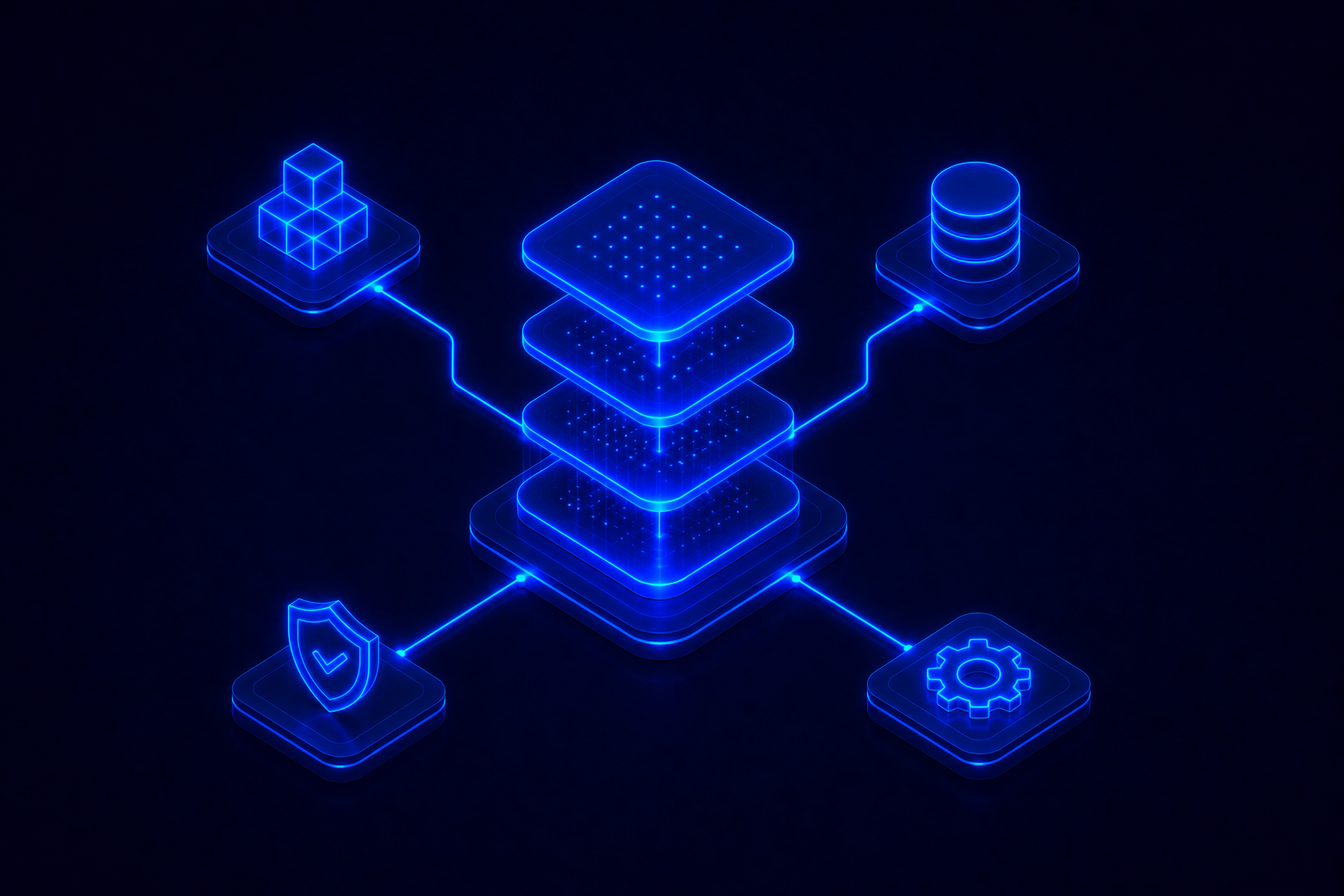
Modular Blockchains: Building Scalable Networks Through Specialization
For years, most blockchains have followed a monolithic design where a single network is responsible for every major function: executing transactions, storing data, achieving consensus, and ensuring security. While this approach works, it often creates scalability limitations as demand grows. To address these challenges, a new architecture is gaining momentum: Modular Blockchains. Rather than forcing…
-

Proof of Humanity: Verifying Real People in the Age of AI
As artificial intelligence becomes more advanced and automated bots become increasingly sophisticated, distinguishing between humans and machines is becoming a major challenge for digital platforms. From governance systems and online communities to financial applications and decentralized networks, proving that a participant is a real human is becoming more important than ever. This challenge has led…
-

Blockchain-Based Reputation Systems: Building Trust in a Decentralized World
Trust is a fundamental component of every digital interaction. Whether buying a product online, lending assets in DeFi, or hiring a freelancer, users rely on reputation to evaluate credibility. Traditional reputation systems are typically controlled by centralized platforms, meaning ratings, reviews, and user histories are stored within isolated ecosystems. Blockchain introduces a new approach: Decentralized…
-
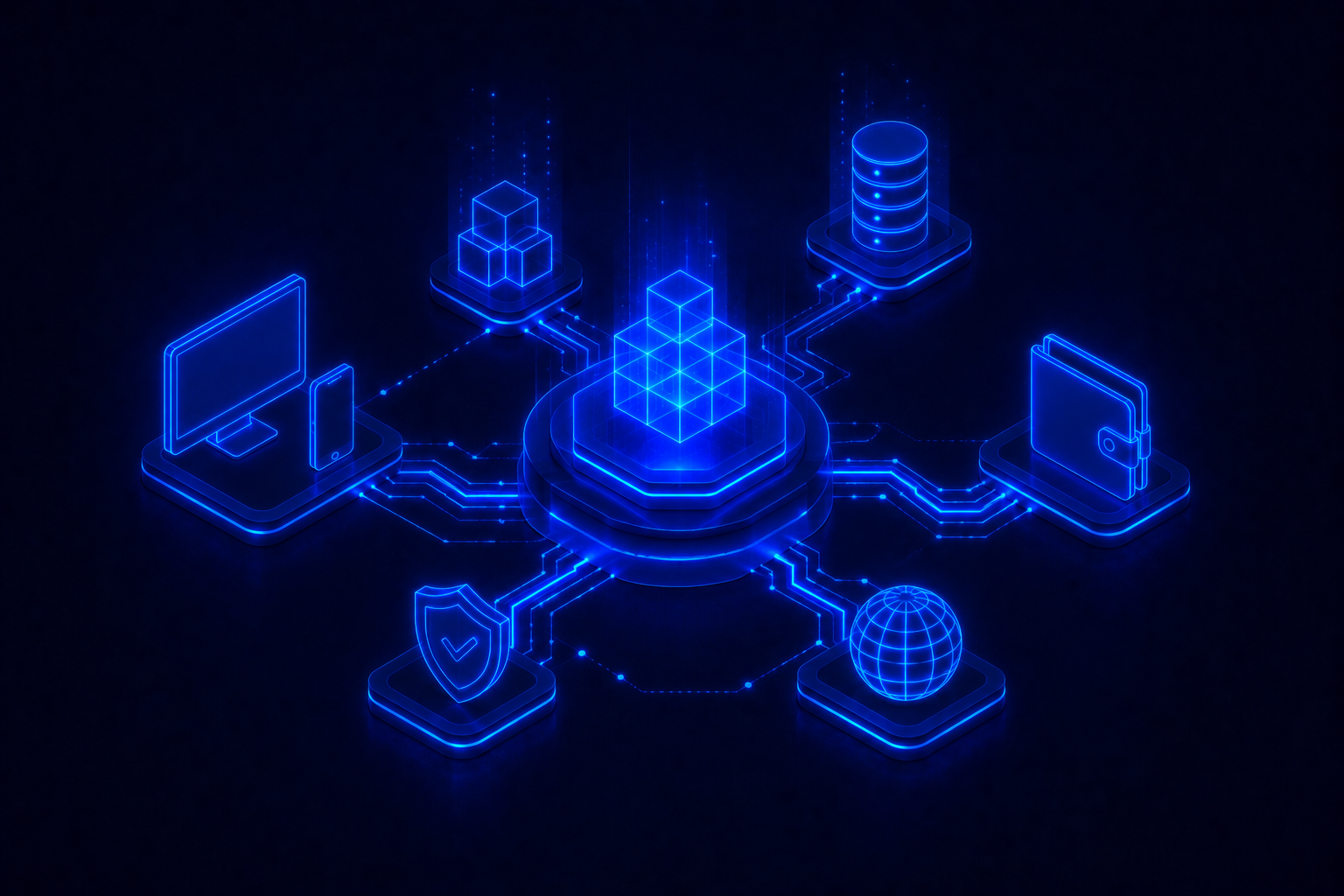
Chain Abstraction: Making Blockchain Networks Invisible to Users
As the blockchain ecosystem expands, users are increasingly faced with a fragmented experience. Different wallets, networks, bridges, gas tokens, and transaction processes create unnecessary complexity. Most users don’t actually care which blockchain they’re using — they simply want their applications to work. This challenge has led to the emergence of Chain Abstraction, a concept focused…