
Category: Uncategorized
-
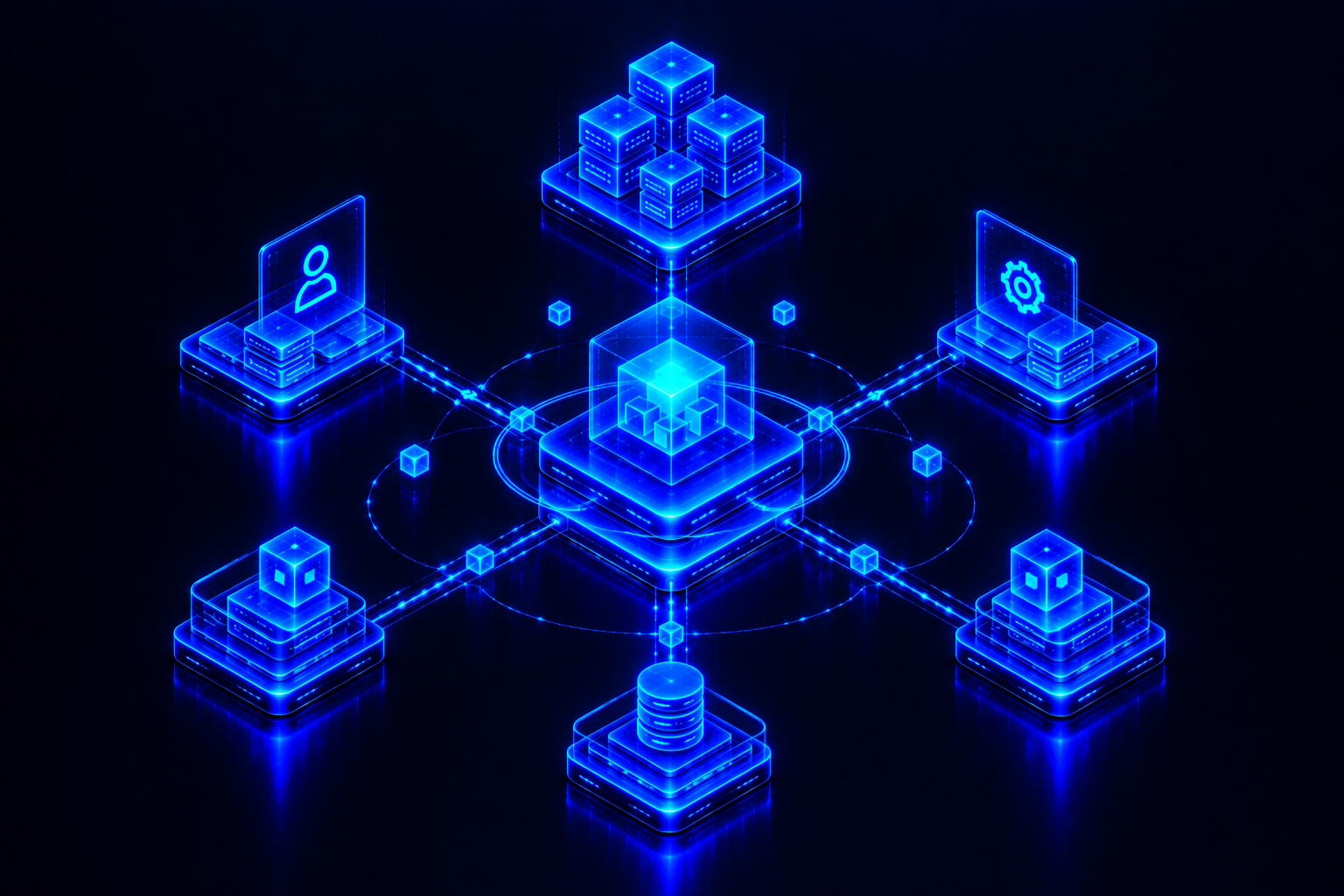
Based Rollups: Rethinking Layer 2 Sequencing
Layer 2 networks have become one of the most important solutions for blockchain scalability. By moving transaction execution away from the main blockchain, rollups can process activity faster and at a lower cost while using the underlying network for settlement and security. But one component remains particularly important: the sequencer. Many rollups rely on centralized…
-
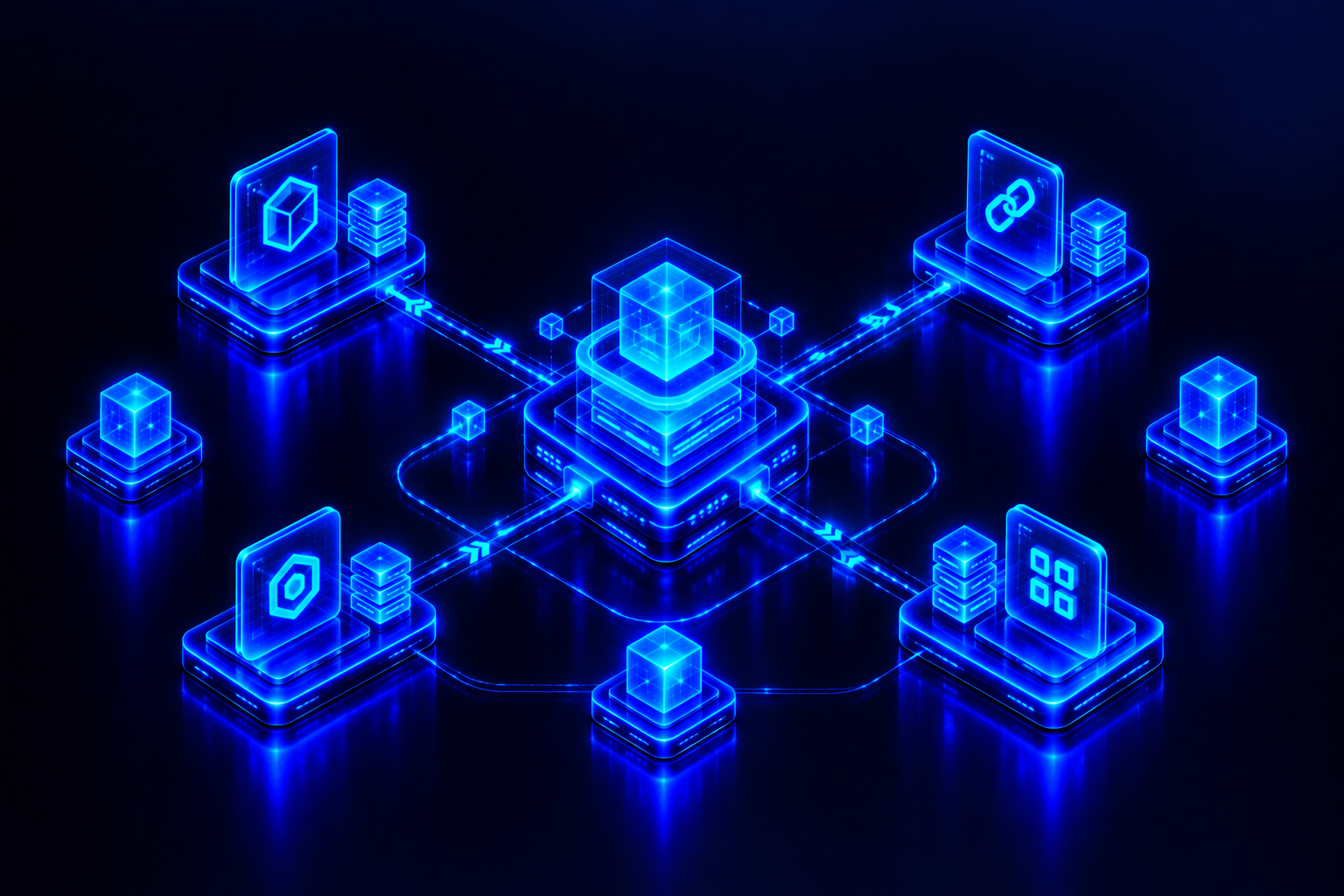
Shared Sequencing: Building a More Connected Layer 2 Ecosystem
The growth of Layer 2 networks has made blockchain ecosystems significantly more scalable. However, as more rollups and Layer 2 networks emerge, a new challenge appears: fragmentation. Different networks may have their own sequencers, transaction ordering systems, and execution environments. This can make communication between Layer 2 networks more complicated and can limit interoperability. Shared…
-
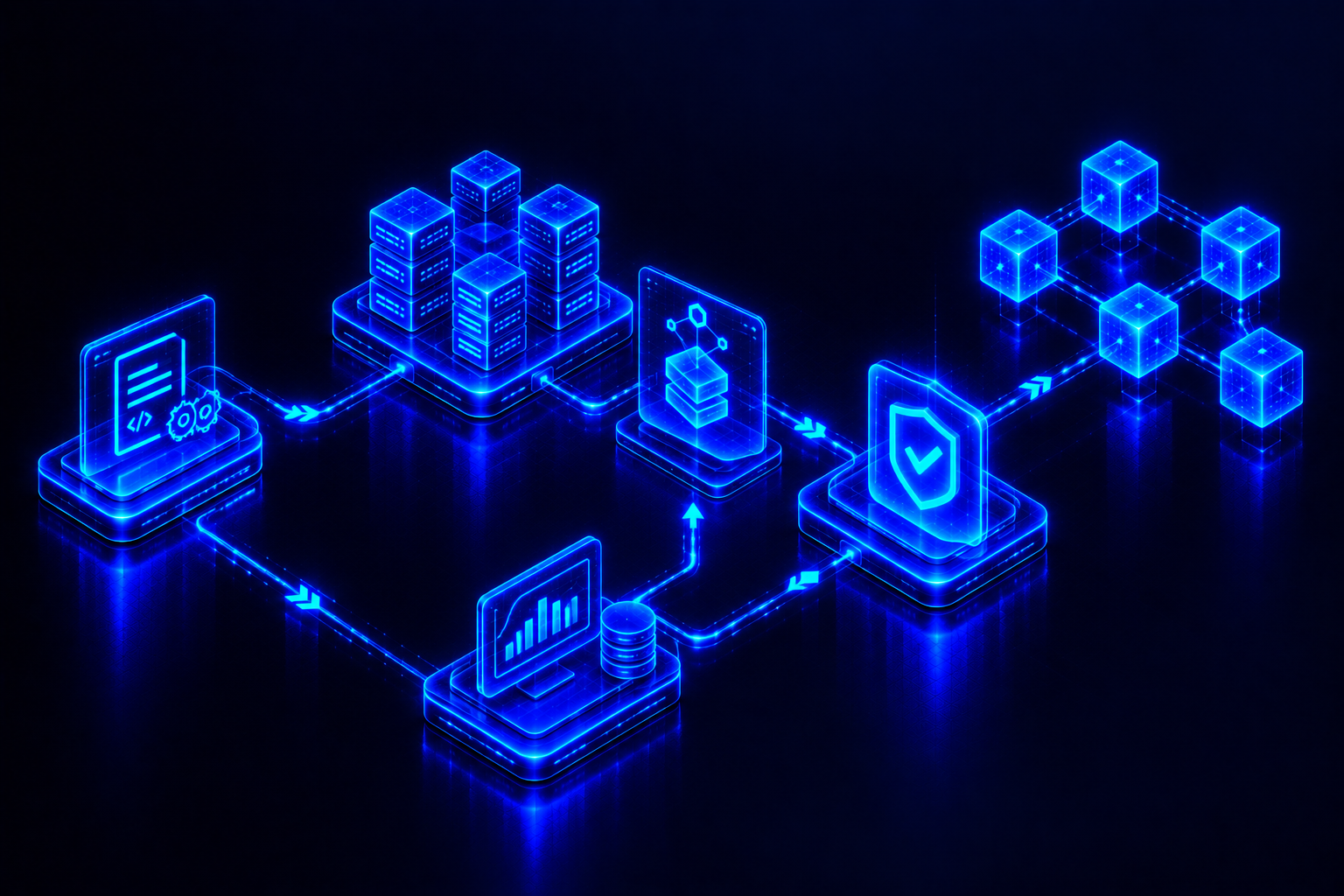
ZK Coprocessors: Expanding What Smart Contracts Can Do
Smart contracts are powerful, but they operate under strict computational limitations. They cannot efficiently process large historical datasets, perform complex analytics, or access arbitrary blockchain data without increasing execution costs. This limitation becomes increasingly important as decentralized applications become more sophisticated. ZK Coprocessors introduce a new approach. They allow complex computations to be performed outside…
-
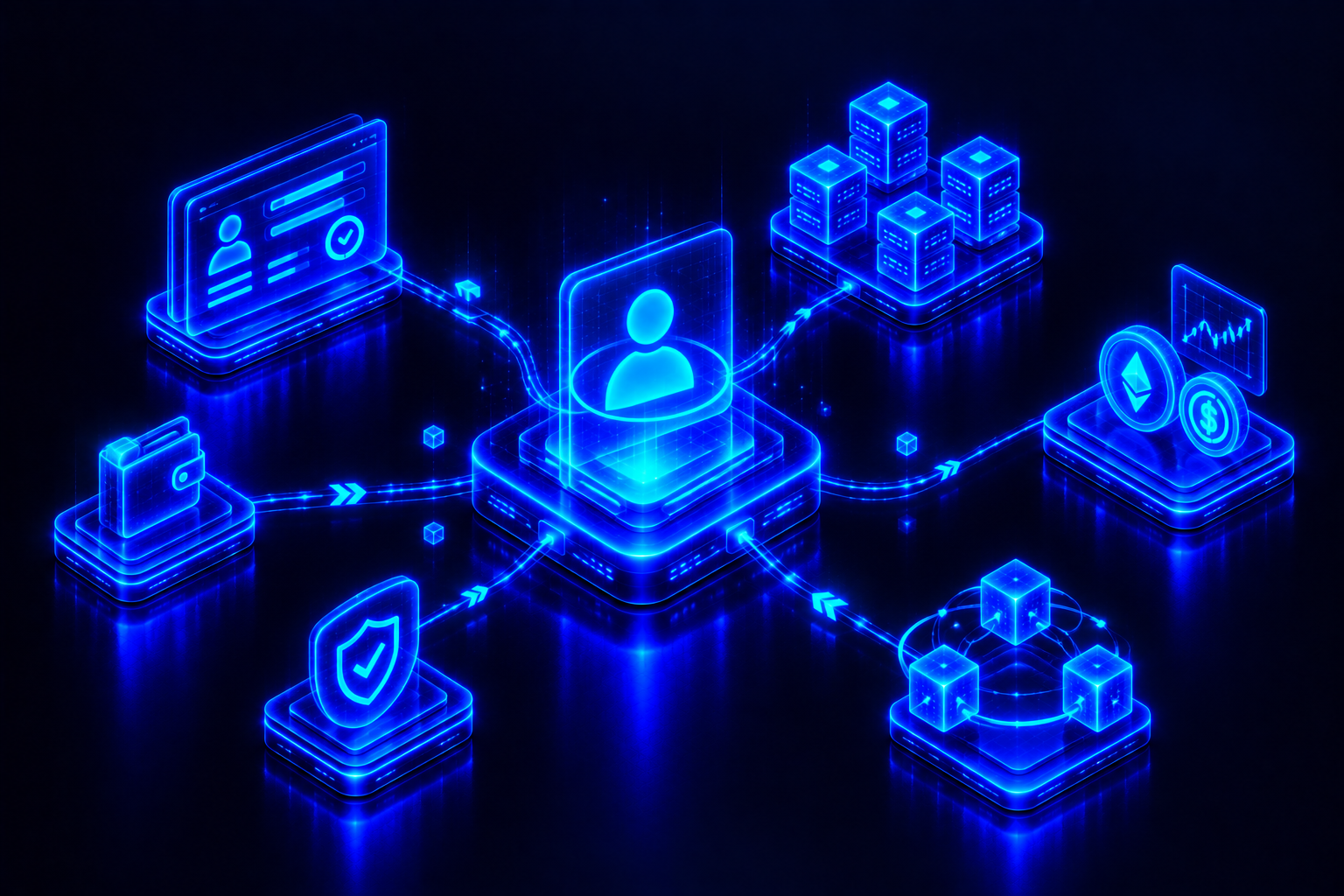
Intent-Based Architecture: A New Way to Interact With Web3
Interacting with blockchain applications can still be complicated. Users often need to understand which network they are using, how transactions should be routed, what gas fees are required, and which sequence of actions will produce the desired result. But what if users didn’t need to define every step? Instead of telling a blockchain application how…
-

Decentralized Identity: Reimagining Digital Ownership
Every day, people use dozens of digital services that require some form of identity. From financial platforms and social networks to online marketplaces and professional services, users constantly share personal information with centralized organizations. This creates an important question: Who should control a person’s digital identity—the platform or the individual? Decentralized Identity (DID) introduces a…
-
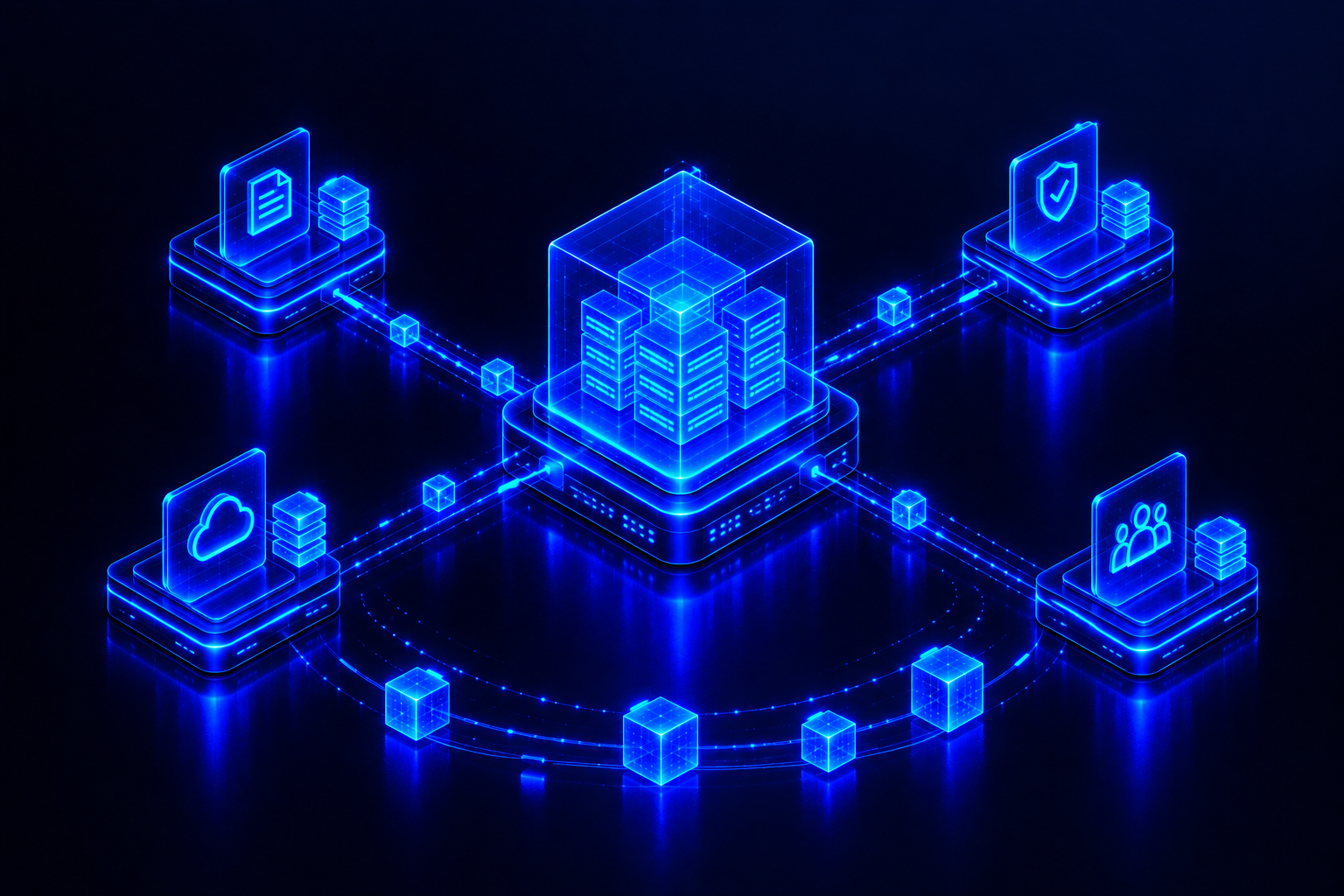
Data Availability: The Hidden Layer Powering Scalable Blockchains
As blockchain networks scale, processing transactions is only part of the challenge. A decentralized network must also ensure that the data required to verify those transactions remains available to participants. This requirement becomes even more important as Layer 2 networks and modular blockchain architectures process large volumes of transactions outside the main settlement layer. Data…
-

MEV: The Hidden Economics Behind Blockchain Transactions
Blockchain transactions may appear to follow a simple process: users submit transactions, validators order them, and the network confirms the final block. Behind this process, however, there is another layer of competition. The order in which transactions are included in a block can create significant economic opportunities. Traders, validators, searchers, and automated systems can analyze…
-
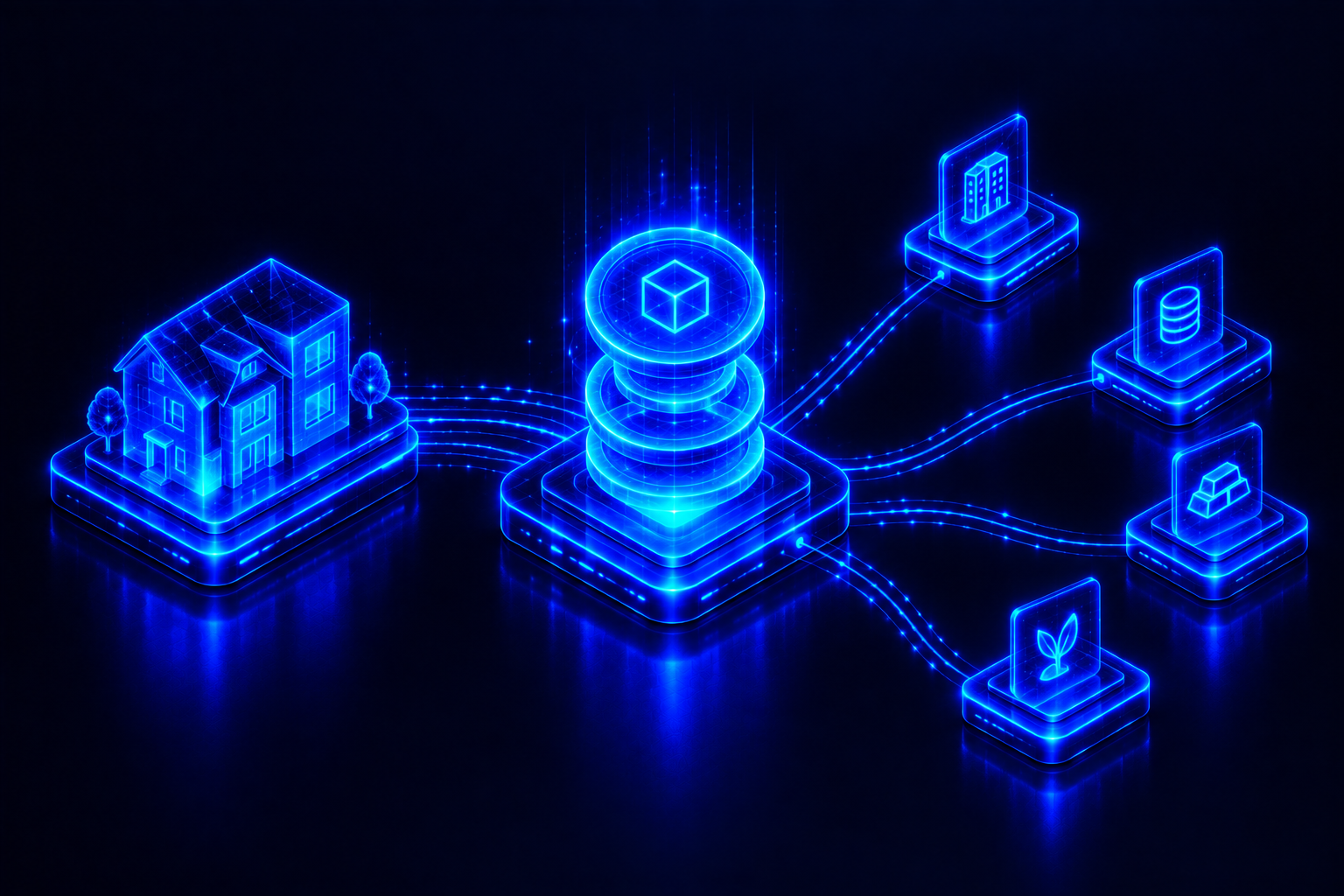
Real-World Asset Tokenization: Bringing Traditional Assets On-Chain
Blockchain technology is increasingly moving beyond cryptocurrencies and purely digital assets. One of the most significant developments is the tokenization of Real-World Assets (RWAs)—the process of representing physical or traditional financial assets as digital tokens on a blockchain. From real estate and government bonds to commodities and private credit, tokenization creates a bridge between traditional…
-

Cross-Chain Messaging: Connecting Blockchain Ecosystems
The blockchain ecosystem is no longer built around a single network. Today, thousands of decentralized applications operate across different blockchains, Layer 2 networks, and specialized execution environments. This growth creates an important challenge: How can different blockchains communicate with each other securely? Users may want to move assets, trigger transactions, or share information across multiple…
-
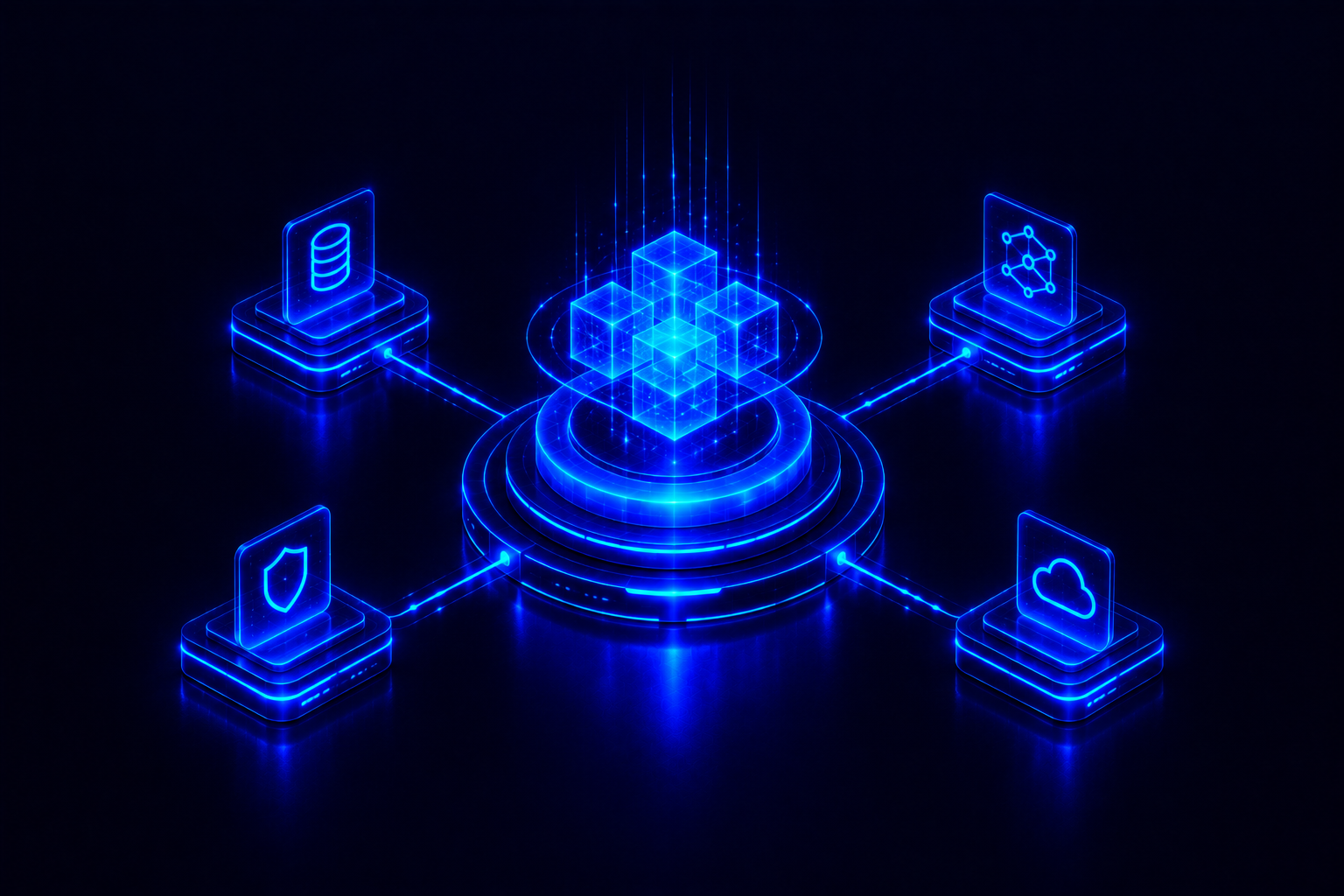
Restaking: Turning Blockchain Security Into a Shared Resource
Blockchain security is expensive. Every decentralized network needs validators, economic incentives, and mechanisms that discourage malicious behavior. For smaller networks and emerging protocols, building a secure validator ecosystem from scratch can be especially difficult. Restaking introduces a different approach. Instead of creating an entirely independent security layer for every new decentralized service, existing blockchain economic…