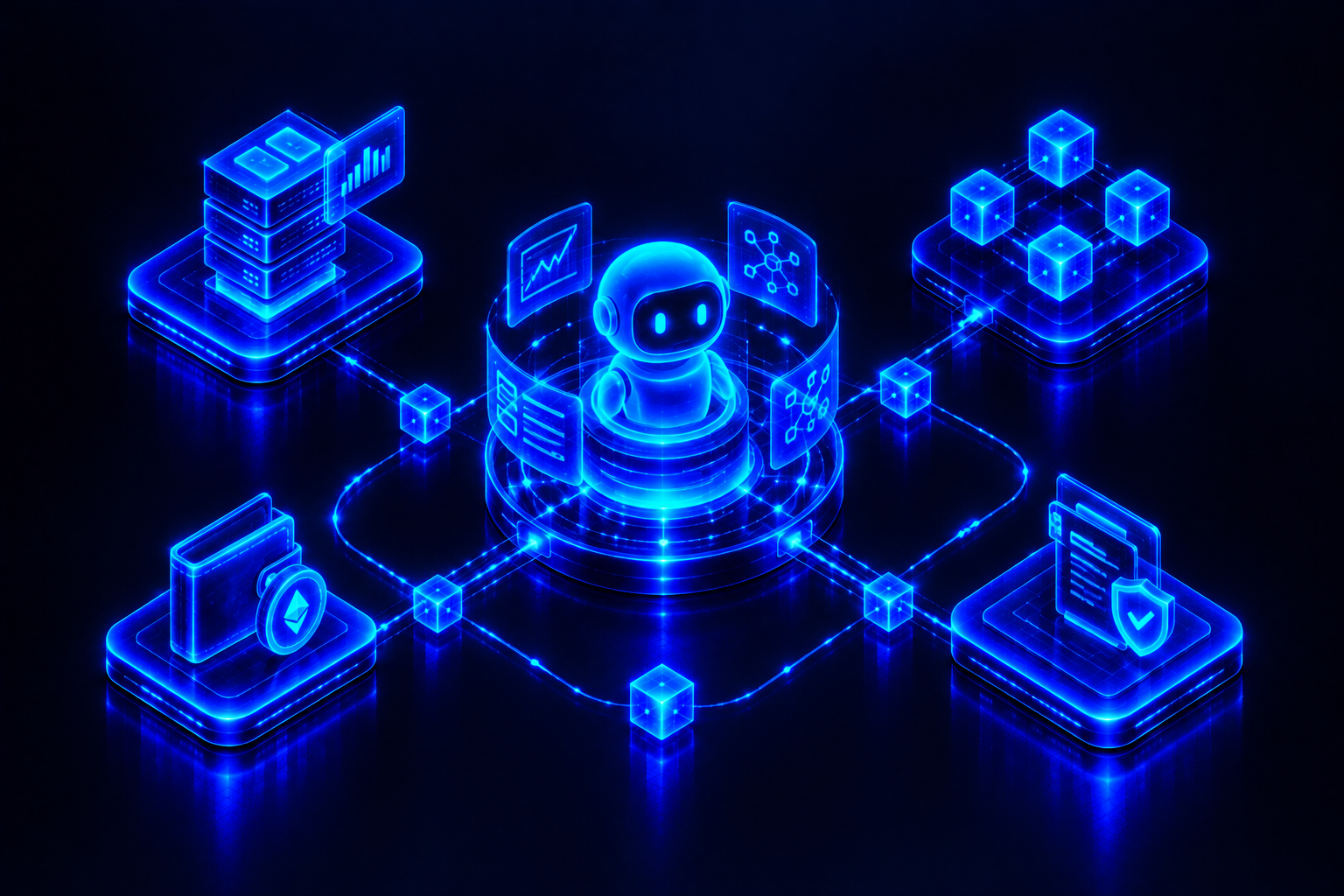
The advent of blockchain technology has paved the way for the tokenization of real-world assets, revolutionizing how we think about ownership, investment, and financial transactions. Tokenization involves converting physical assets—such as real estate, art, commodities, or even intellectual property—into digital tokens on a blockchain. This transformative process is not only democratizing access to traditionally illiquid assets but also enhancing transparency, security, and efficiency in asset management and trading.
What is Tokenization?
At its core, tokenization is the process of representing ownership of a real-world asset with a digital token on a blockchain. Each token can be thought of as a digital certificate of ownership, backed by the value of the underlying asset. This process enables the fractional ownership of assets, allowing individuals to buy and sell small portions of high-value assets, which were previously accessible only to affluent investors.
Key Benefits of Tokenization
1. Fractional Ownership and Increased Liquidity
Tokenization enables fractional ownership, allowing investors to purchase and trade smaller shares of expensive assets, such as real estate or fine art. This significantly increases liquidity in markets that have historically been illiquid, enabling easier and faster buying, selling, and trading of assets.
2. Enhanced Transparency and Security
Blockchain technology provides a transparent and immutable ledger of all transactions, making it easier to track ownership and transfer of assets. The decentralized nature of blockchain also enhances security, reducing the risks of fraud and mismanagement.
3. Democratization of Investment Opportunities
By lowering the barriers to entry, tokenization democratizes access to investment opportunities that were previously reserved for institutional investors or high-net-worth individuals. This opens up new avenues for retail investors to diversify their portfolios.
4. Efficiency and Cost Reduction
The tokenization of assets can streamline the process of buying, selling, and transferring ownership, eliminating the need for intermediaries such as brokers and agents. This not only reduces transaction costs but also speeds up the entire process.
Use Cases of Tokenization
1. Real Estate
Tokenized real estate allows investors to buy shares of property, making it easier for individuals to invest in high-value markets. This also provides property owners with a new way to raise capital by selling fractional ownership of their assets.
2. Art and Collectibles
Artworks and collectibles, traditionally seen as illiquid investments, can be tokenized to allow multiple investors to own shares in a piece. This opens up the art market to a broader audience and provides artists and collectors with new revenue streams.
3. Commodities and Natural Resources
Commodities like gold, oil, and even carbon credits can be tokenized, allowing for more accessible and transparent trading. This could help stabilize commodity markets by making them more inclusive and efficient.
4. Intellectual Property and Royalties
Tokenization can also apply to intellectual property rights and royalties, enabling creators to sell shares of future earnings from their work. This provides creators with immediate funding while giving investors a stake in future profits.
Challenges and Considerations
Despite its potential, tokenization is not without challenges. Regulatory hurdles remain a significant obstacle, as different jurisdictions have varying rules on the trading and ownership of tokenized assets. Additionally, technological challenges, such as ensuring the security and scalability of the underlying blockchain infrastructure, must be addressed.
Moreover, market participants need to be educated about the risks and benefits of investing in tokenized assets. The relative novelty of tokenization means that investors may face uncertainties and require a thorough understanding of the market dynamics and the specific assets they are investing in.
The Future of Tokenization
As blockchain technology continues to evolve, the tokenization of real-world assets is likely to become more mainstream. Financial institutions, governments, and technology companies are increasingly exploring the possibilities of tokenization, indicating a strong potential for growth in this sector.
In the future, we may see a world where ownership and investment in a wide range of assets are digitized, making financial markets more inclusive, efficient, and transparent. The convergence of blockchain technology with traditional asset markets has the potential to redefine the way we think about ownership, investment, and the very nature of financial systems.
Tokenization represents a significant leap forward in the digitization of the global economy, promising to unlock new value and opportunities for investors and asset holders alike. However, realizing this potential will require careful navigation of regulatory landscapes, technological challenges, and market dynamics.