
Layer 2 networks have become one of the most important solutions for blockchain scalability.
By moving transaction execution away from the main blockchain, rollups can process activity faster and at a lower cost while using the underlying network for settlement and security.
But one component remains particularly important: the sequencer.
Many rollups rely on centralized sequencers to collect, order, and execute transactions.
Based Rollups introduce a different approach by using the underlying Layer 1 blockchain itself to help coordinate transaction sequencing.
This design could make Layer 2 networks more decentralized while creating tighter integration between the rollup and its settlement layer.
What Is a Based Rollup?
A Based Rollup is a rollup where transaction sequencing is primarily coordinated by the underlying Layer 1 rather than by a separate centralized sequencer.
Instead of maintaining an independent sequencing system, the rollup can leverage Layer 1 block producers to determine the ordering of transactions.
The execution of those transactions still happens on Layer 2, but the ordering process becomes more closely connected to the base blockchain.
In simple terms:
Layer 2 execution + Layer 1 sequencing
This creates a different architecture from traditional rollups that operate their own dedicated sequencer.
Why It Matters
1️⃣ Greater Decentralization
Using the underlying Layer 1 for sequencing can reduce reliance on a single centralized sequencer.
2️⃣ Stronger Censorship Resistance
Because transaction ordering is connected to the base network, it can potentially inherit some of its censorship-resistance properties.
3️⃣ Simplified Infrastructure
Rollups may not need to maintain a completely separate sequencing network.
4️⃣ Better Alignment With Layer 1
A based rollup can have stronger economic and technical alignment with the blockchain that ultimately provides its settlement and security.
How It Works
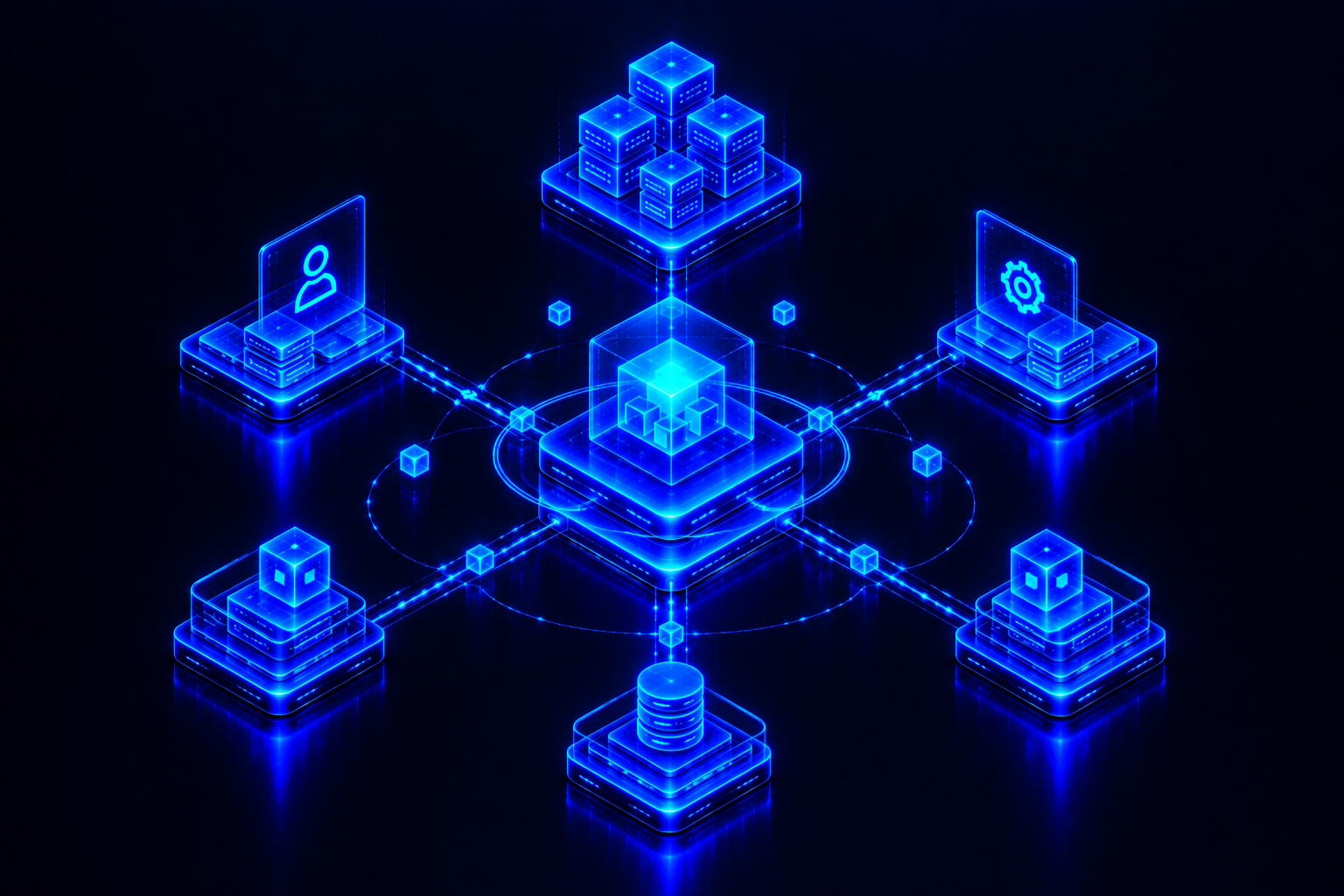
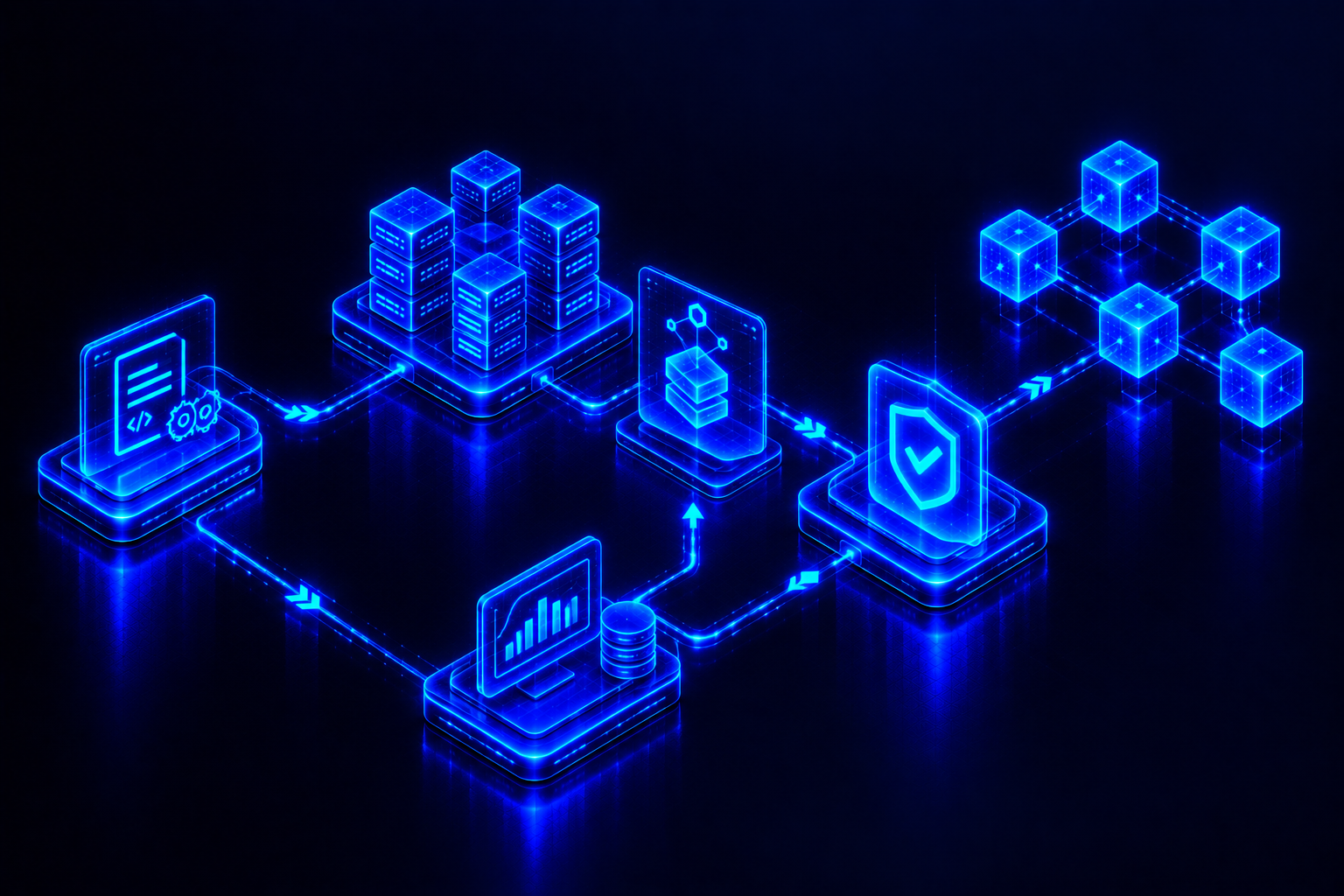
A typical based rollup architecture includes several key components:
🔹 Users
Submit transactions to the rollup.
🔹 Layer 1 Block Producers
Help determine the ordering of rollup transactions through the underlying blockchain.
🔹 Layer 2 Execution
The rollup processes the ordered transactions and updates its state.
🔹 Settlement & Verification
The resulting state is ultimately verified or committed through the underlying Layer 1.
This allows sequencing and execution to be separated while keeping the ordering process closely connected to the base layer.
Based Rollups vs. Centralized Sequencers
Traditional rollups often use a dedicated sequencer because it can provide fast transaction processing and a smoother user experience.
However, this architecture can introduce a potential point of centralization.
A centralized sequencer may control transaction ordering and could become an important dependency for the network.
Based Rollups approach the problem differently.
Rather than creating a separate sequencing authority, they leverage the existing Layer 1 block-production process.
This can improve decentralization, although it may also introduce different trade-offs around latency, economics, and transaction ordering.
Use Cases
DeFi
Based Rollups can provide scalable execution while maintaining a closer connection to the security and sequencing environment of the underlying blockchain.
High-Throughput Applications
Applications can benefit from Layer 2 execution without requiring an entirely independent sequencing ecosystem.
Modular Blockchain Infrastructure
Based Rollups fit naturally into modular architectures where execution and settlement are separated into specialized layers.
Ethereum Scaling
The model can help expand Layer 2 capacity while keeping sequencing more tightly integrated with Ethereum’s base layer.
Challenges
Based Rollups also face several important challenges:
- Sequencing latency
- Economic incentives
- MEV management
- Layer 1 dependency
- Transaction ordering complexity
- User experience
One major trade-off is that relying more heavily on the Layer 1 can limit some of the flexibility that a dedicated sequencer provides.
The challenge is finding the right balance between decentralization, speed, efficiency, and economic sustainability.
The Future of Rollup Architecture
As Layer 2 ecosystems mature, there may not be a single architecture that works for every application.
Some rollups may prefer dedicated sequencers.
Others may use shared sequencing systems.
Based Rollups represent another path: using the underlying blockchain itself as part of the sequencing infrastructure.
This approach could make Layer 2 networks more closely integrated with their base layer while reducing the need for additional trusted infrastructure.
As blockchain architectures become increasingly modular, sequencing will continue to be an important area of innovation.
The future is integrated:
Layer 2 networks may scale blockchain execution without separating themselves completely from the decentralized infrastructure that secures them.
Leave a Reply