

Blockchain has traditionally been associated with digital assets, smart contracts, and decentralized applications.
But the next phase of Web3 is expanding beyond the digital world.
Decentralized Physical Infrastructure Networks (DePIN) bring blockchain technology into the physical infrastructure that people use every day—from wireless networks and storage systems to energy grids, sensors, and computing resources.
Instead of relying entirely on large centralized companies to build and operate infrastructure, DePIN creates a model where individuals and businesses can contribute physical resources to decentralized networks and receive incentives in return.
What Is DePIN?
DePIN is a decentralized infrastructure model where physical hardware and real-world resources are coordinated through blockchain-based networks.
Participants provide resources such as:
- Computing power
- Wireless connectivity
- Storage capacity
- Energy
- Environmental data
- Physical sensors
Blockchain mechanisms can then track contributions, coordinate participants, and distribute rewards according to predefined rules.
This creates an infrastructure network that grows through community participation rather than depending entirely on centralized providers.
Why It Matters
1️⃣ Community-Powered Infrastructure
Infrastructure can be built through contributions from thousands of independent participants.
2️⃣ Efficient Resource Utilization
Unused computing power, storage, bandwidth, or energy can become productive network resources.
3️⃣ Global Accessibility
Decentralized infrastructure can expand into regions where traditional providers may have limited coverage.
4️⃣ Incentive Alignment
Participants are financially incentivized to provide reliable and useful infrastructure.
How It Works
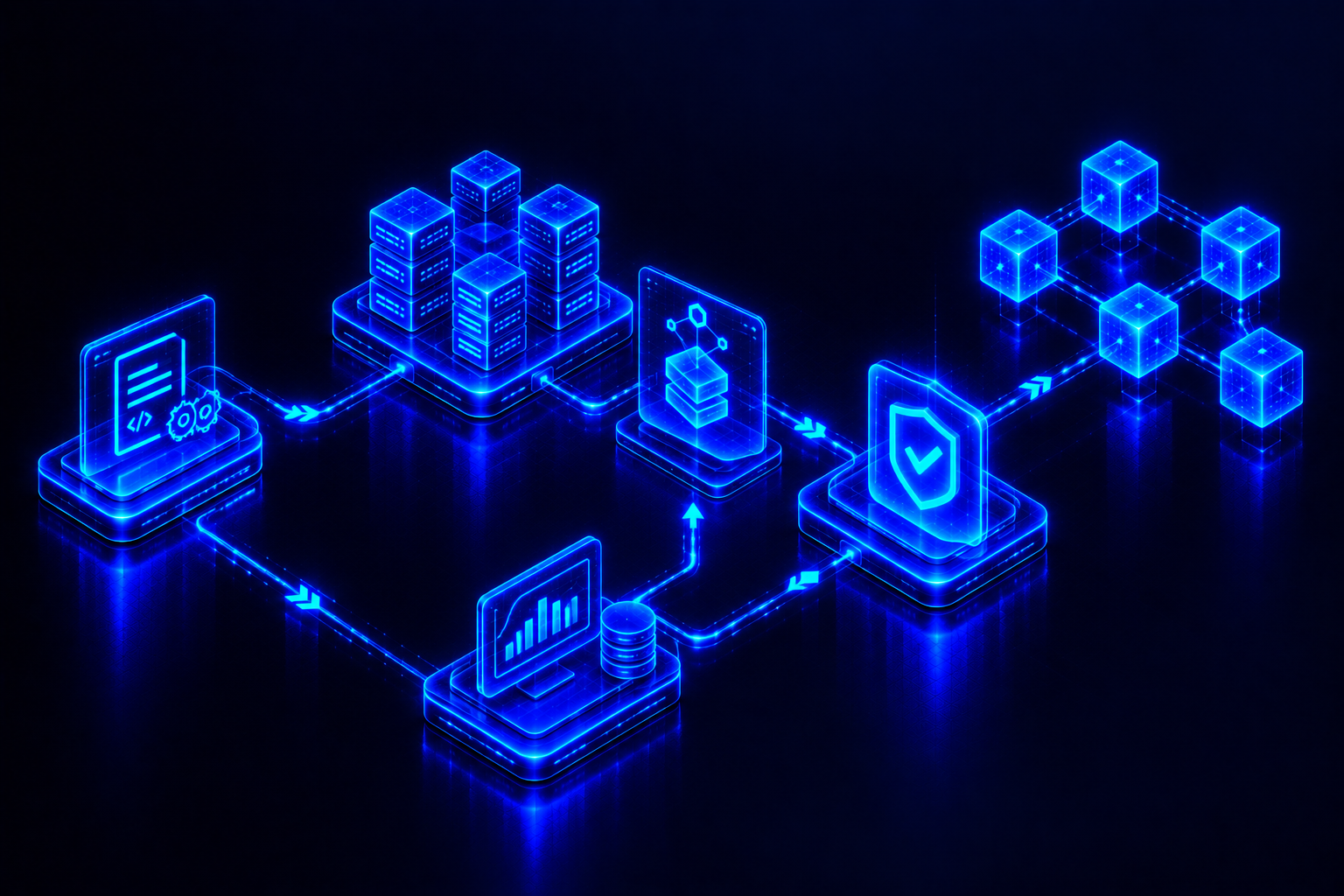
A typical DePIN ecosystem consists of several key components:
🔹 Physical Hardware
Participants provide devices, servers, sensors, routers, or other infrastructure.
🔹 Decentralized Network
The contributed resources become part of a shared infrastructure layer.
🔹 Blockchain Coordination
On-chain systems track contributions and manage incentives.
🔹 Reward Mechanism
Participants receive rewards based on the quantity and quality of resources they provide.
Together, these components create a decentralized marketplace for physical infrastructure.
Use Cases
Decentralized Wireless Networks
Individuals can provide wireless coverage and contribute connectivity to a shared network.
Distributed Cloud Computing
Unused computing resources can be aggregated into decentralized computing infrastructure.
Decentralized Storage
Participants contribute disk space while applications use the network for distributed data storage.
Energy Networks
Individuals with renewable energy systems can contribute excess energy to decentralized markets.
Challenges
Despite its potential, DePIN faces several important challenges:
- Hardware deployment costs
- Network reliability
- Geographic limitations
- Physical maintenance
- Token incentive sustainability
- Data verification
The success of DePIN depends on creating economic models where real-world utility remains more important than short-term speculation.
The Future of Physical Infrastructure
The internet has already decentralized information.
Blockchain helped decentralize value.
DePIN could take the next step by decentralizing the infrastructure that powers the physical world.
Instead of infrastructure being owned and controlled exclusively by large organizations, future networks could be built by thousands or millions of independent participants contributing resources from their homes, businesses, and communities.
This model could transform how connectivity, storage, computing, and energy are produced and distributed.
The future is physical:
Web3 won’t remain inside digital networks—it will increasingly become part of the infrastructure that powers the real world.

Leave a Reply