
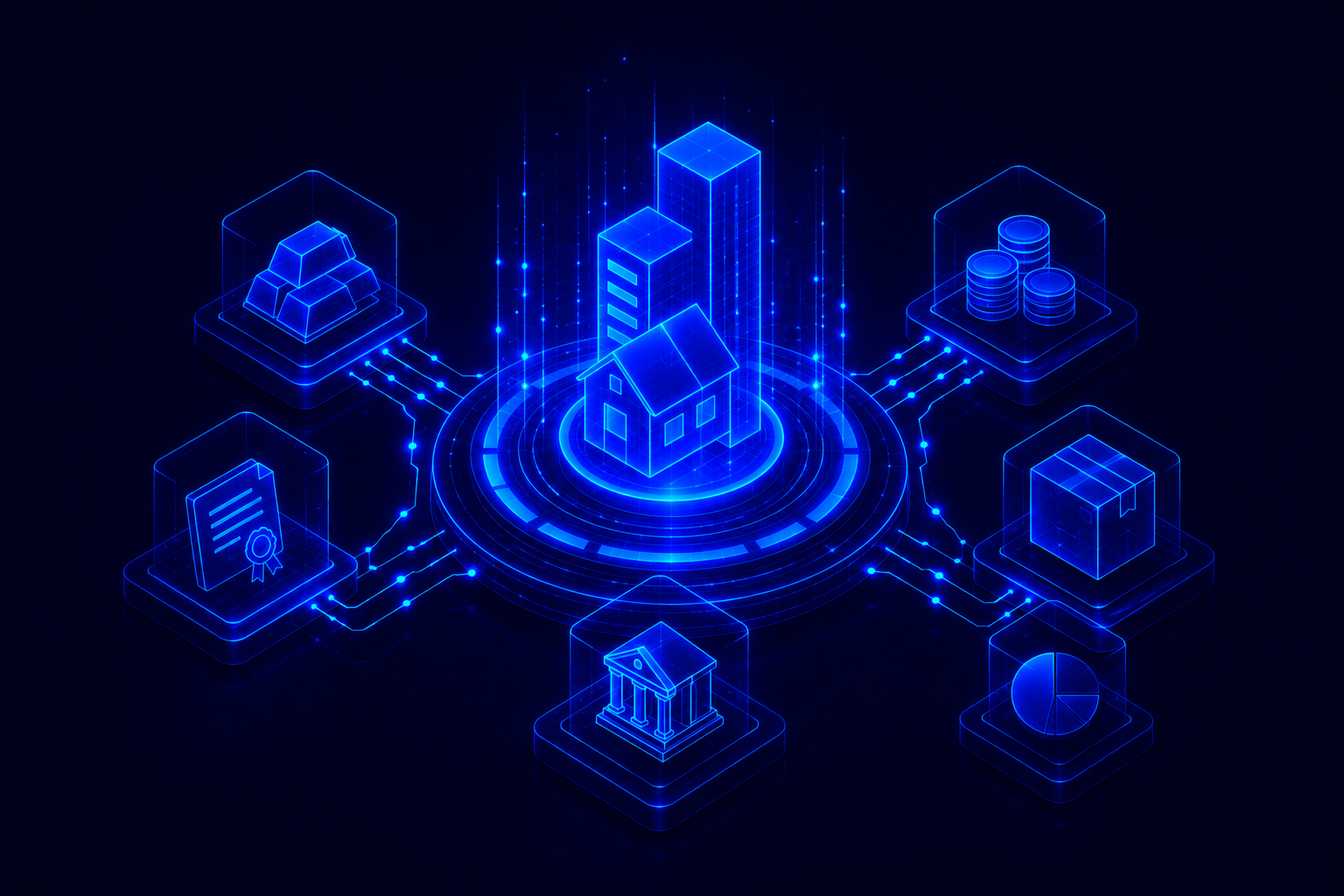
For years, blockchain has primarily managed digital assets such as cryptocurrencies, NFTs, and smart contracts. While these innovations transformed digital ownership, trillions of dollars in real-world assets have remained outside the blockchain ecosystem.
A new movement is changing that.
Real World Assets (RWAs) bring tangible assets—such as real estate, government bonds, commodities, and invoices—onto blockchain networks through tokenization.
This approach has the potential to connect traditional finance with decentralized infrastructure, unlocking new levels of accessibility, liquidity, and efficiency.
What Are Real World Assets?
Real World Assets are physical or traditional financial assets that are represented digitally on a blockchain.
Instead of transferring ownership through paper-based systems or multiple intermediaries, ownership is represented by blockchain-based tokens that correspond to real-world value.
These assets can include:
- Real estate
- Government bonds
- Precious metals
- Private credit
- Company shares
- Infrastructure investments
Each token represents a verifiable claim to an underlying asset.
Why It Matters
Increased Liquidity
Traditionally illiquid assets can become easier to buy, sell, and trade.
Fractional Ownership
High-value assets can be divided into smaller portions, making investment more accessible.
Faster Settlement
Blockchain reduces the need for lengthy clearing and settlement processes.
Greater Transparency
Ownership records and transactions become easier to verify through distributed ledgers.
How It Works
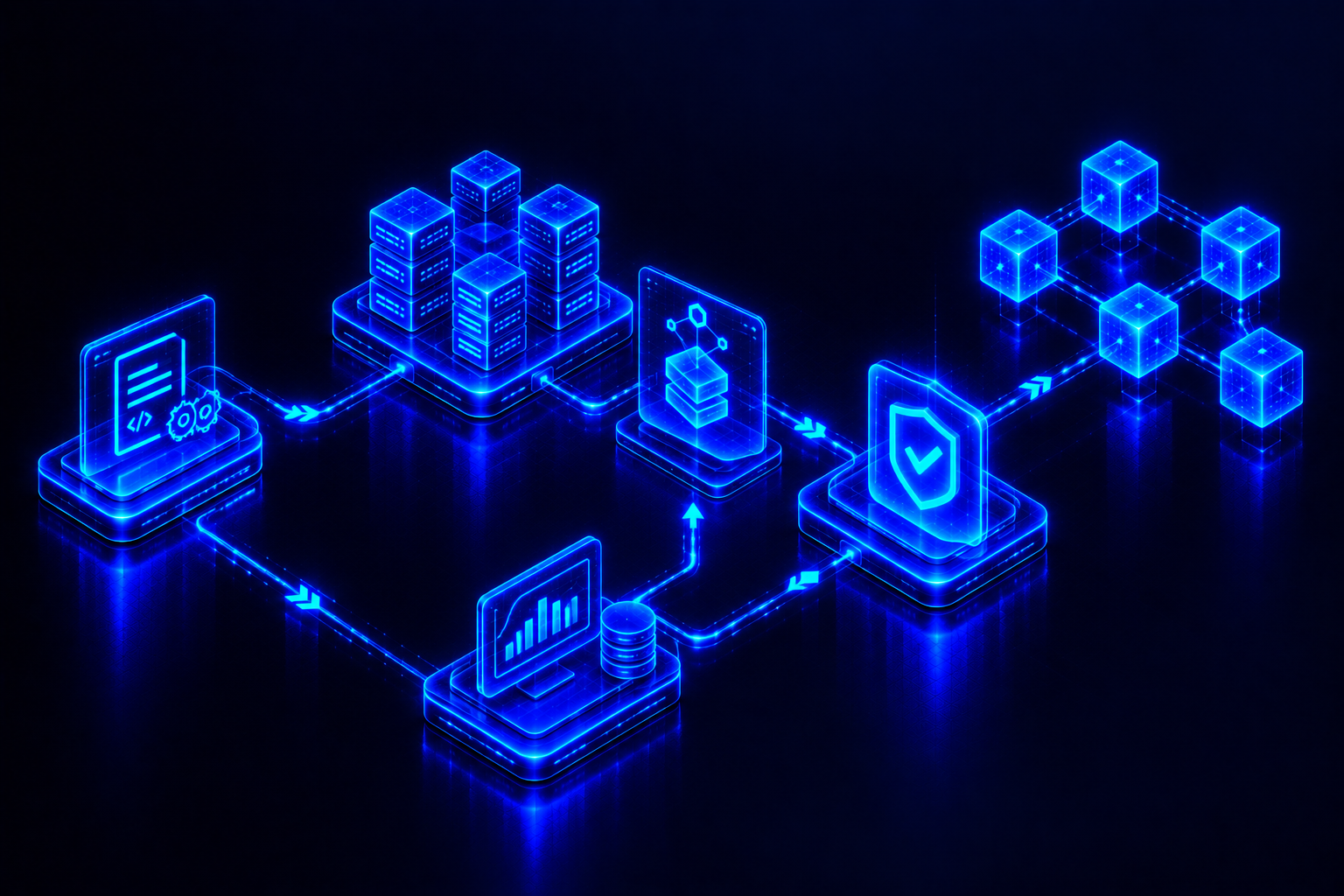
A typical RWA ecosystem includes four major components:
Asset Tokenization
The physical asset is represented by digital tokens.
Custody
Trusted entities safeguard or legally manage the underlying asset.
Smart Contracts
Automate transfers, distributions, and compliance rules.
Blockchain Settlement
Ownership changes are recorded securely and transparently on-chain.
Together, these layers create a bridge between physical ownership and decentralized finance.
Use Cases
Real Estate Investment
Investors purchase fractional ownership in commercial or residential properties.
Tokenized Government Bonds
Institutions gain programmable access to traditional fixed-income products.
Trade Finance
Businesses tokenize invoices and receivables to improve liquidity.
Commodity Markets
Assets such as gold and other commodities can be traded digitally while remaining backed by physical reserves.
Challenges
Despite its enormous potential, the RWA sector still faces several important challenges:
- Regulatory compliance
- Legal ownership frameworks
- Custody and asset verification
- Cross-border regulations
- Standardization across blockchain ecosystems
Successfully addressing these issues will be essential for large-scale adoption.
The Future of Tokenized Finance
Many experts believe Real World Assets represent one of blockchain’s largest long-term opportunities. Rather than replacing traditional finance, tokenization enhances it by making ownership more transparent, programmable, and globally accessible.
As financial institutions continue exploring blockchain infrastructure, tokenized real-world assets could become a core component of tomorrow’s digital economy.
The future is tokenized:
blockchain won’t only transform digital assets—it will redefine how ownership of real-world value is created, transferred, and managed across the global economy.
Leave a Reply