
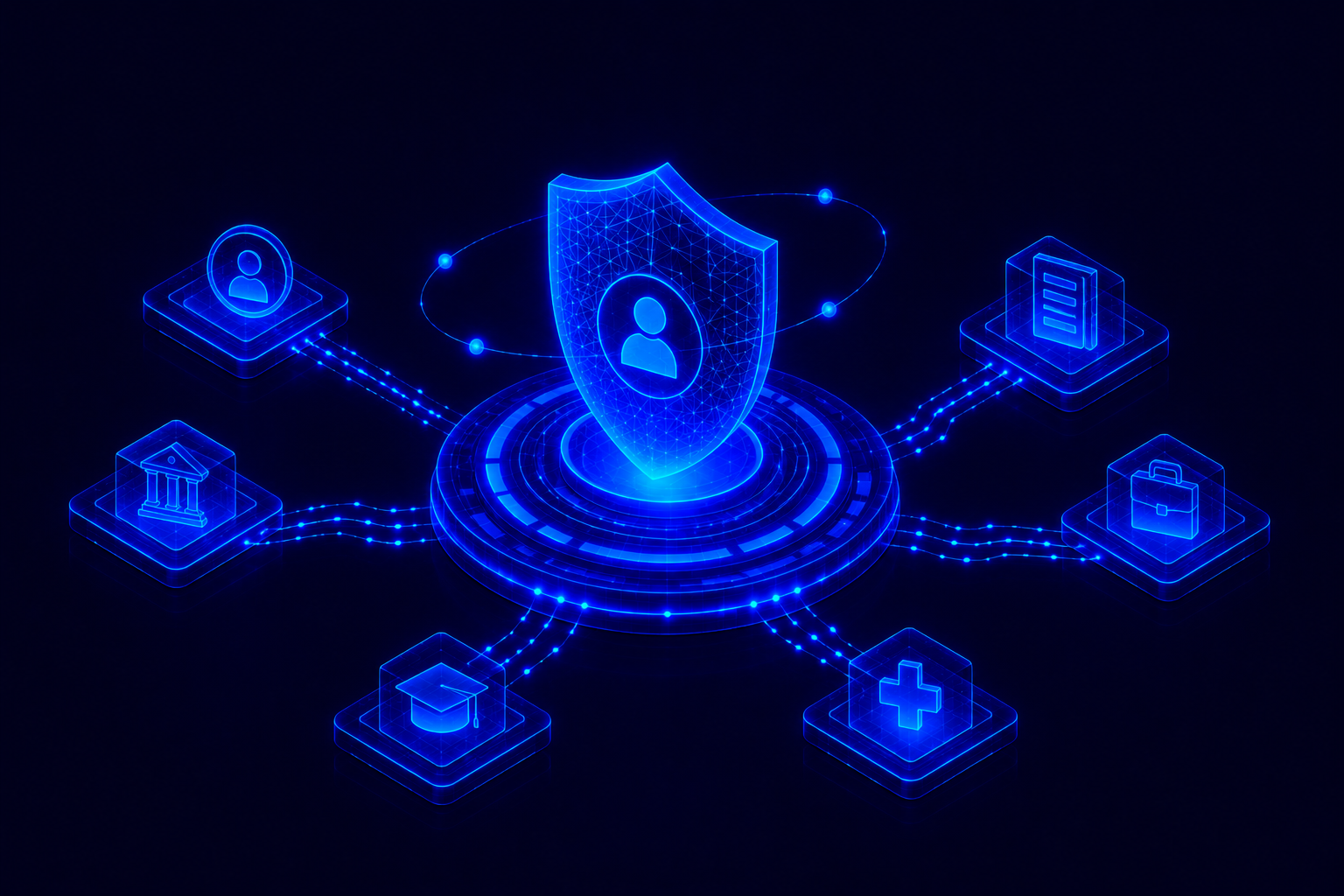
Every day, people prove aspects of their identity online—whether it’s their age, education, employment history, or professional certifications. Today, this process often relies on centralized organizations that issue and verify these credentials.
But what if individuals could securely own and share their credentials without depending on a central authority every time?
This is the promise of Verifiable Credentials (VCs).
Built on cryptographic standards and decentralized technologies, Verifiable Credentials enable people to carry trusted digital proofs that are secure, portable, and privacy-preserving.
What Are Verifiable Credentials?
A Verifiable Credential is a digitally signed credential that represents information about an individual, organization, or entity.
Unlike traditional documents, these credentials can be verified cryptographically, allowing recipients to confirm their authenticity without contacting the original issuer.
Examples include:
- University diplomas
- Professional certifications
- Driver’s licenses
- Employee credentials
- Membership certificates
- Proof of age
The credential remains under the control of its owner while retaining verifiable authenticity.
Why It Matters
User Ownership
Individuals maintain full control over their digital credentials instead of relying on centralized databases.
Instant Verification
Organizations can verify credentials within seconds using cryptographic proofs.
Enhanced Privacy
Users disclose only the information required for a specific interaction.
Reduced Fraud
Digitally signed credentials are significantly more difficult to forge or alter.
How It Works
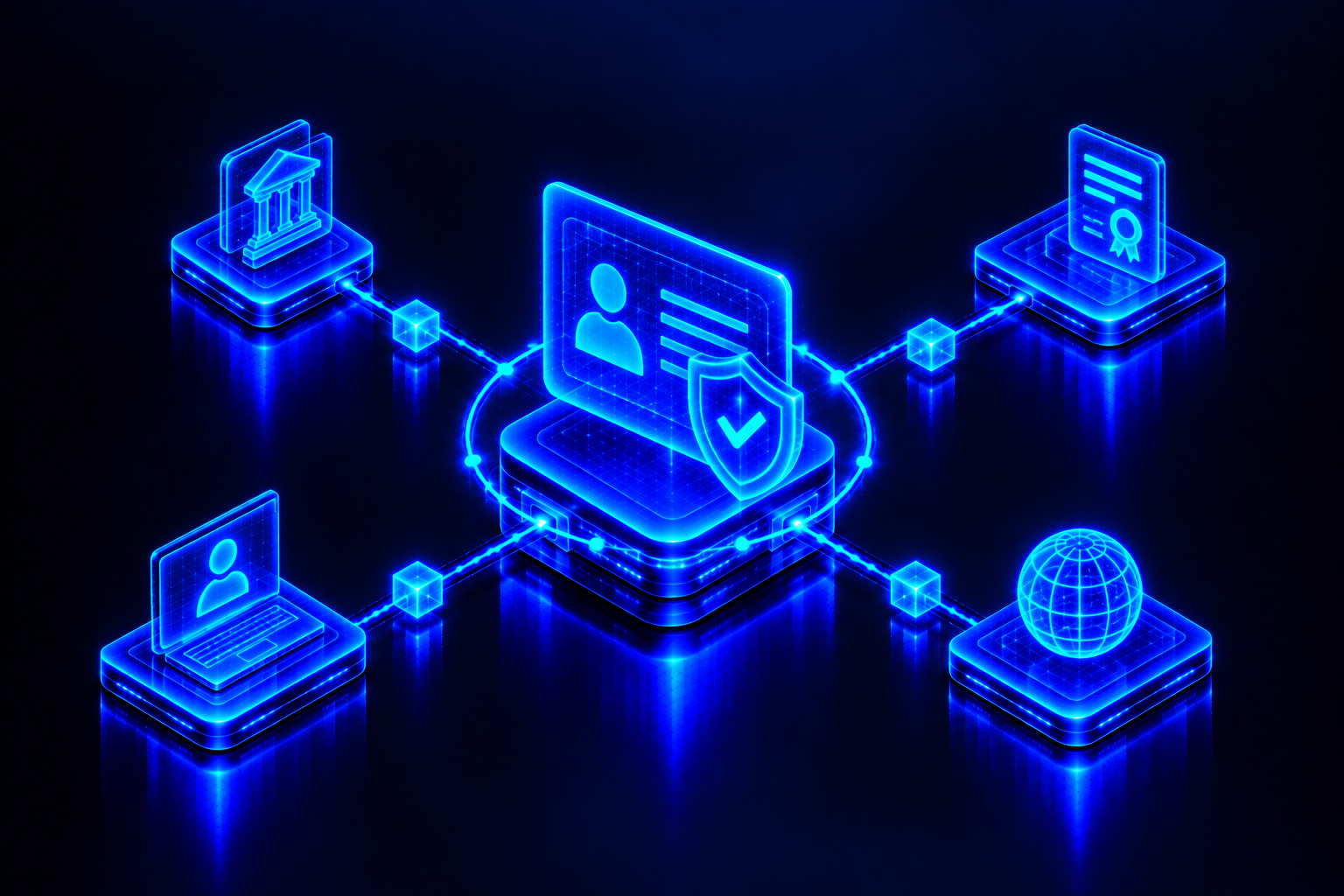
A Verifiable Credential ecosystem typically involves three participants:
🔹 Issuer
An organization creates and digitally signs the credential.
🔹 Holder
The individual securely stores the credential in a digital wallet.
🔹 Verifier
A third party validates the credential’s authenticity without contacting the issuer directly.
This trust model reduces administrative overhead while improving security and user privacy.
Use Cases
Education
Graduates instantly prove academic qualifications to employers worldwide.
Employment
Professionals present verified work experience and certifications.
Healthcare
Medical licenses and healthcare credentials can be verified quickly and securely.
Financial Services
Institutions streamline identity verification during onboarding and compliance processes.
Challenges
Despite their growing adoption, Verifiable Credentials face several important challenges:
- Global standardization
- Wallet interoperability
- Revocation management
- Legal recognition
- User adoption
Continued collaboration between technology providers and regulators will be key to widespread implementation.
The Future of Digital Trust
As more interactions move online, trusted digital identity will become increasingly essential.
Verifiable Credentials offer a future where individuals own their personal information, share it selectively, and prove its authenticity instantly—without sacrificing privacy or relying on centralized verification systems.
Combined with blockchain and decentralized identity frameworks, Verifiable Credentials could fundamentally reshape how trust is established across the digital world.
The future is verifiable:
identity won’t be stored in centralized databases—it will be securely carried, controlled, and shared by the people who own it.


Leave a Reply