

The blockchain ecosystem has evolved into hundreds of independent networks, each offering unique features, applications, and assets. While this diversity fuels innovation, it also creates a major challenge for users.
Managing multiple wallets, switching between networks, bridging assets, and paying gas fees on different chains often results in a fragmented experience.
To address this problem, a new concept is gaining momentum: Chain Abstraction.
Rather than asking users to understand every blockchain they interact with, Chain Abstraction aims to make the underlying networks almost invisible.
What is Chain Abstraction?
Chain Abstraction is an infrastructure approach that hides blockchain complexity from end users.
Instead of manually selecting networks or moving assets between chains, users simply perform an action while the underlying system automatically determines where and how it should be executed.
The focus shifts from interacting with blockchains to simply achieving a desired outcome.
Why It Matters
Simplified User Experience
Users no longer need to understand technical differences between blockchain networks.
Seamless Cross-Chain Interaction
Applications can coordinate transactions across multiple ecosystems automatically.
Lower Entry Barrier
New users can participate without learning complex blockchain operations.
Developer Flexibility
Applications can leverage multiple chains without exposing that complexity to users.
How It Works
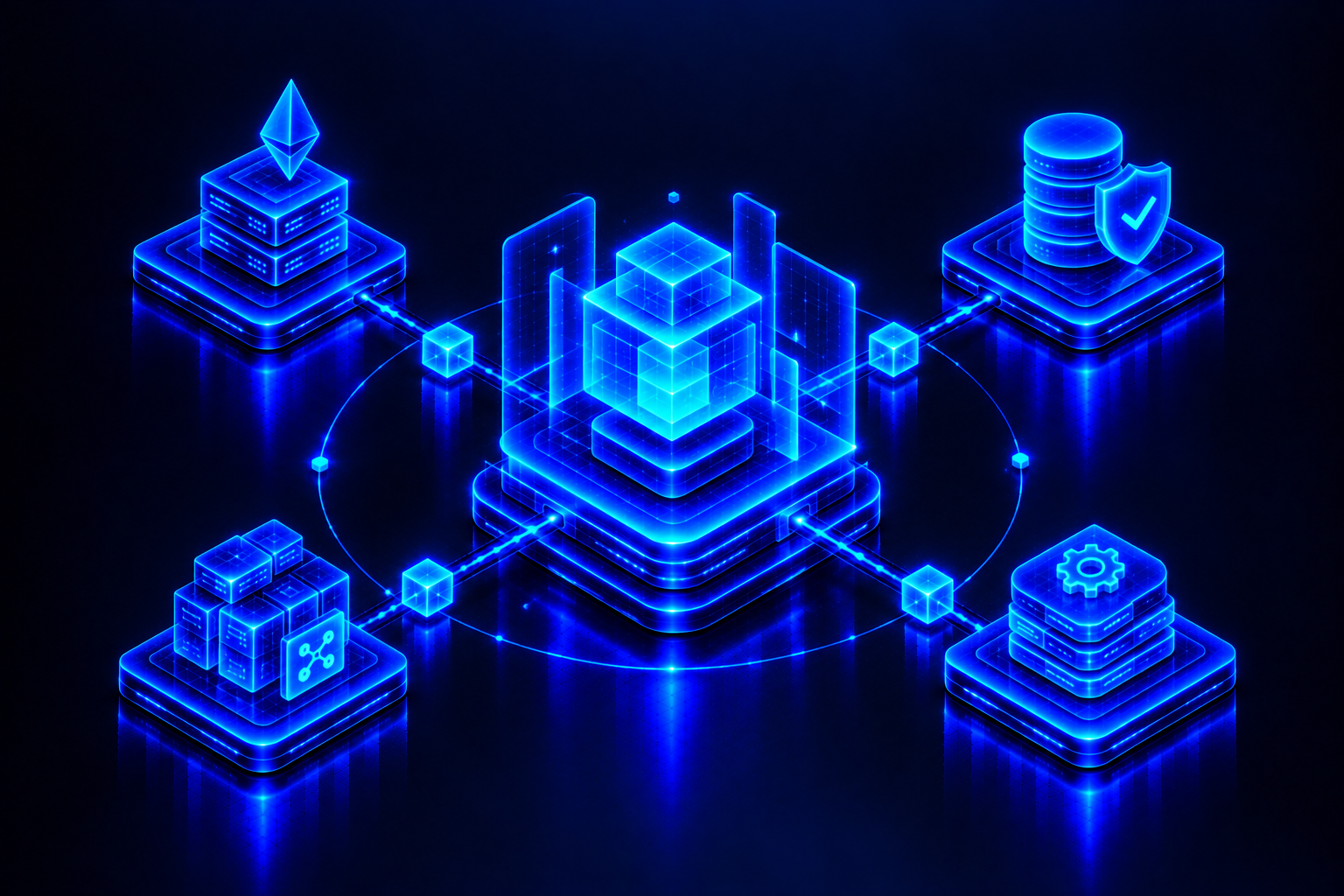
A Chain Abstraction system generally combines several infrastructure layers:
🔹 Unified Wallet Experience
Users manage assets through a single interface regardless of the underlying chain.
🔹 Intelligent Routing
Transactions are automatically executed on the most suitable blockchain.
🔹 Cross-Chain Communication
Protocols securely exchange information and assets between networks.
🔹 Automated Settlement
Infrastructure coordinates execution and final settlement across multiple chains.
Together, these components allow decentralized applications to feel like a single, unified ecosystem.
Use Cases
Multi-Chain DeFi
Users interact with lending, trading, and staking protocols without manually changing networks.
Blockchain Gaming
Game assets move across different ecosystems without additional user actions.
Enterprise Applications
Businesses deploy services across multiple blockchains while maintaining a unified workflow.
Consumer Wallets
Wallets automatically handle gas payments, routing, and asset transfers behind the scenes.
Challenges
Although Chain Abstraction greatly improves usability, several technical challenges remain:
- Cross-chain security
- Transaction coordination
- Liquidity management
- Standardized communication protocols
- Infrastructure reliability
As these technologies mature, seamless multi-chain experiences will become increasingly practical.
The Future of Web3
The early internet required users to understand servers, protocols, and network configurations. Today, most people simply open an application without thinking about the infrastructure behind it.
Blockchain is moving in the same direction.
Chain Abstraction represents a future where users interact with decentralized applications—not individual blockchains. Networks become interchangeable infrastructure, while the user experience remains simple, intuitive, and uninterrupted.
The future is invisible:
people won’t choose blockchains—they’ll simply use applications, while intelligent infrastructure handles everything behind the scenes.


Leave a Reply