
Smart contracts transformed blockchain by enabling automated execution without intermediaries. But as decentralized systems evolve, a new generation of contracts is emerging — contracts that don’t just execute predefined rules, but actively respond, adapt, and operate with minimal human intervention.
This evolution is leading toward Autonomous Smart Contracts — self-operating blockchain systems capable of managing complex processes independently.
What Are Autonomous Smart Contracts?
Autonomous smart contracts are advanced contracts designed to operate continuously based on predefined logic, external triggers, and dynamic conditions.
Unlike traditional contracts that wait for manual interaction, autonomous contracts can:
- Monitor on-chain activity
- React to external events
- Execute actions automatically
- Coordinate with other protocols
They function more like decentralized software agents than static code.
Why It Matters
Reduced Human Dependency
Systems can operate without constant manual oversight.
Faster Execution
Decisions and actions happen automatically in real time.
Increased Efficiency
Complex workflows become fully automated.
Scalable Decentralization
Protocols can manage operations autonomously at scale.
How It Works
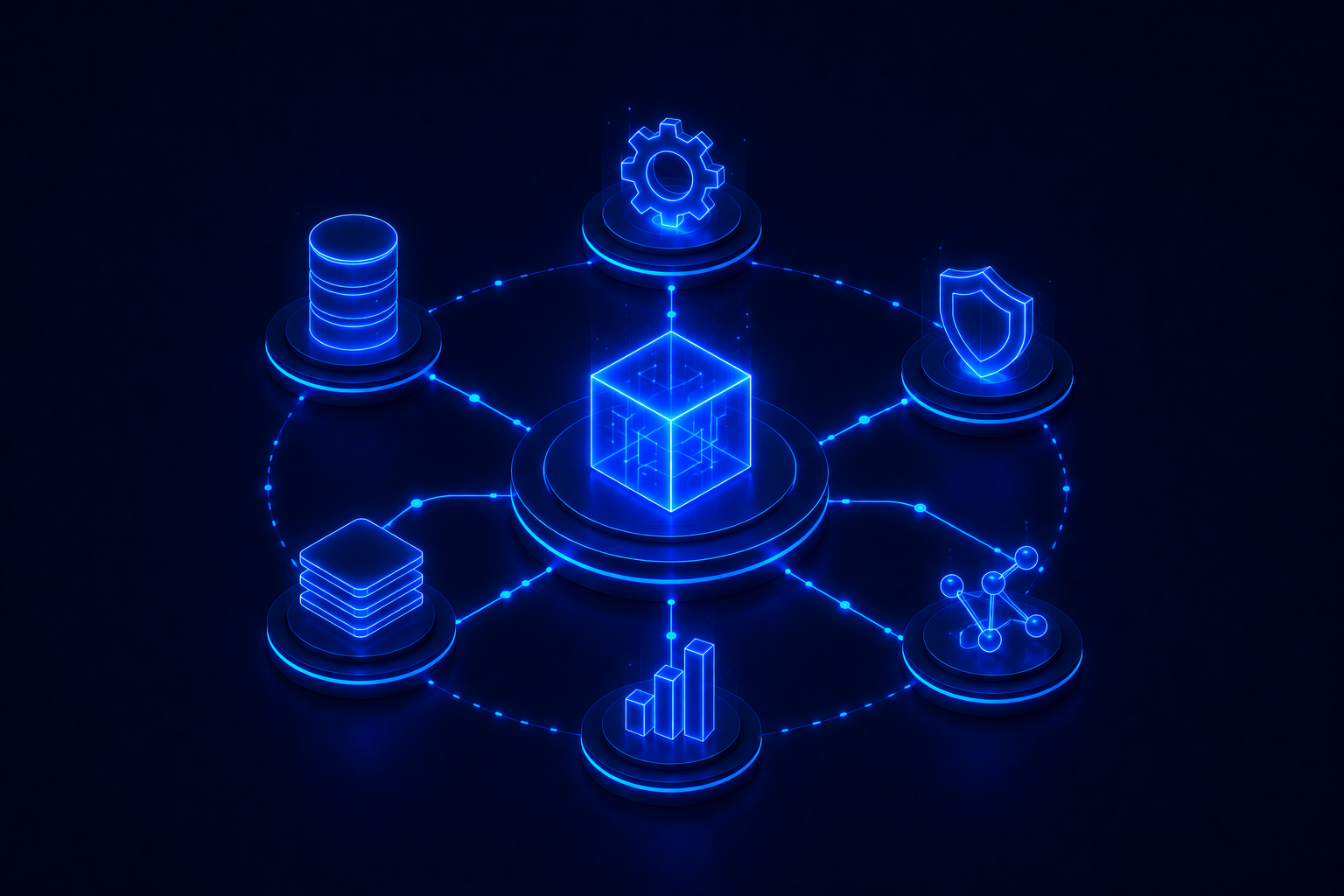
Autonomous contracts combine several components:
Smart Contract Logic
Defines operational rules and behavior.
Oracles & Data Feeds
Provide real-world and on-chain data inputs.
Automation Layers
Trigger actions when conditions are met.
Inter-Protocol Communication
Allow contracts to interact across systems.
Use Cases
Automated Treasury Management
Protocols can rebalance funds dynamically.
Self-Managing DeFi Strategies
Yield optimization without manual intervention.
Decentralized Insurance
Claims processed automatically based on verified events.
Autonomous Marketplaces
Platforms operate with minimal centralized control.
Challenges
Despite their potential, autonomous contracts introduce new complexities:
- Security risks from automated execution
- Dependence on reliable data feeds
- Governance of autonomous behavior
- Difficulty updating immutable logic
The Future of Autonomous Web3 Systems
Autonomous smart contracts represent a major step toward fully self-operating decentralized ecosystems. As AI, automation, and blockchain infrastructure continue to evolve, these systems will become more adaptive and intelligent.
The long-term vision is clear:
blockchain applications won’t just execute commands — they will operate as autonomous digital systems.



Leave a Reply