What is Decentralized Finance (DeFi)?
Decentralized Finance, or DeFi, is a groundbreaking financial technology that operates on secure, distributed ledger systems similar to those that underlie cryptocurrencies. Unlike the conventional financial systems overseen by regulatory bodies like the Federal Reserve and the SEC, DeFi takes a different approach by enabling peer-to-peer financial exchanges without intermediaries.
DeFi negates the need for traditional banking fees and enables quick money transfers. Accessible to anyone with an internet connection, DeFi is revolutionizing the way we think about financial transactions.
Centralized Finance vs. Decentralized Finance
The Centralized Financial Model
In traditional financial systems, banks and third-party services are essential for facilitating money transfers, each taking their own cut. From credit card transactions to loans and basic banking services, this centralized system is riddled with fees at each step.
The DeFi Approach
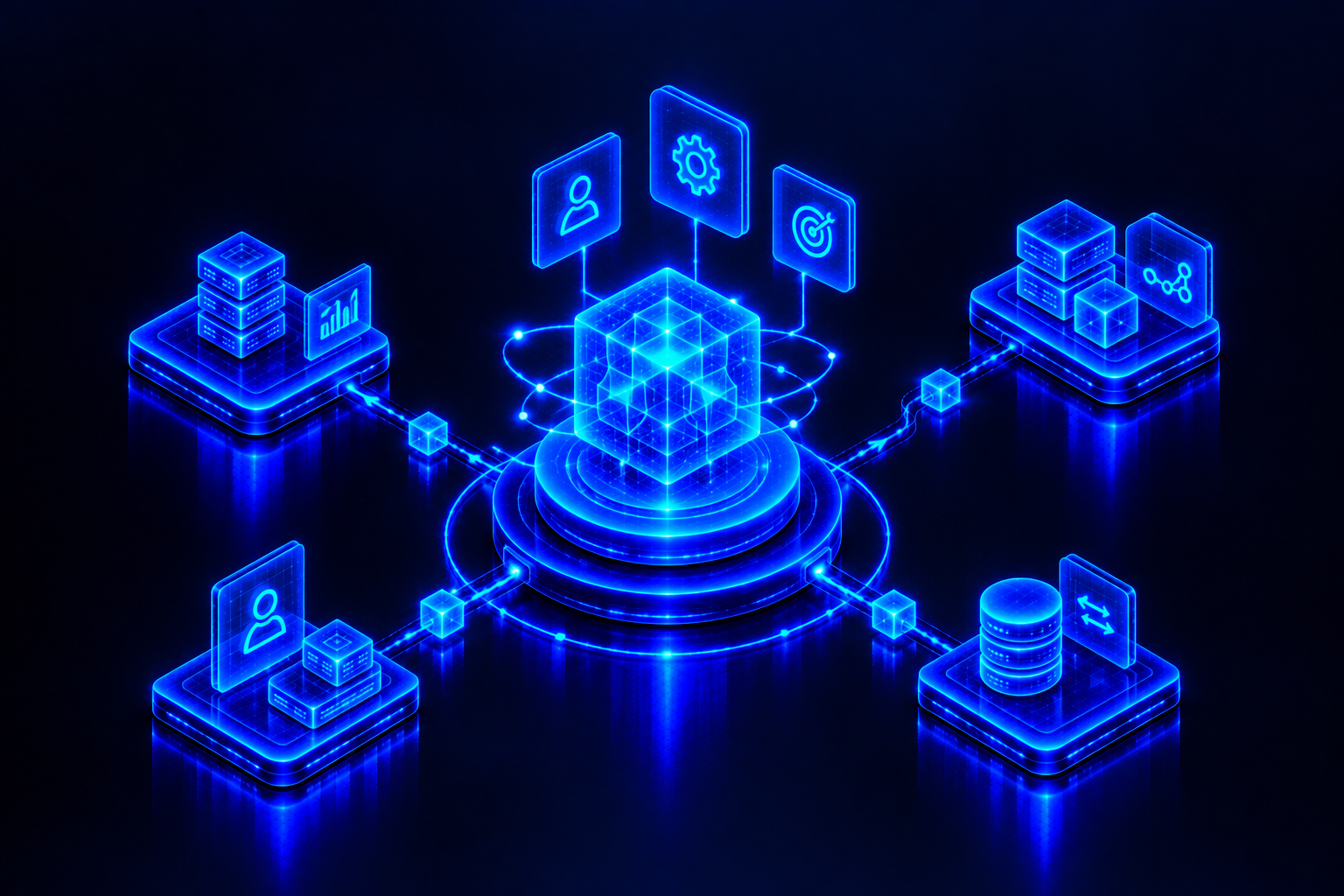
DeFi changes this paradigm by eliminating intermediaries, relying on advanced technology to handle transactions. By utilizing stringent security protocols along with state-of-the-art software and hardware, DeFi provides a robust peer-to-peer financial network. This ensures that anyone with internet access can engage in a range of financial activities, from lending to trading and borrowing.
The Operational Backbone of DeFi
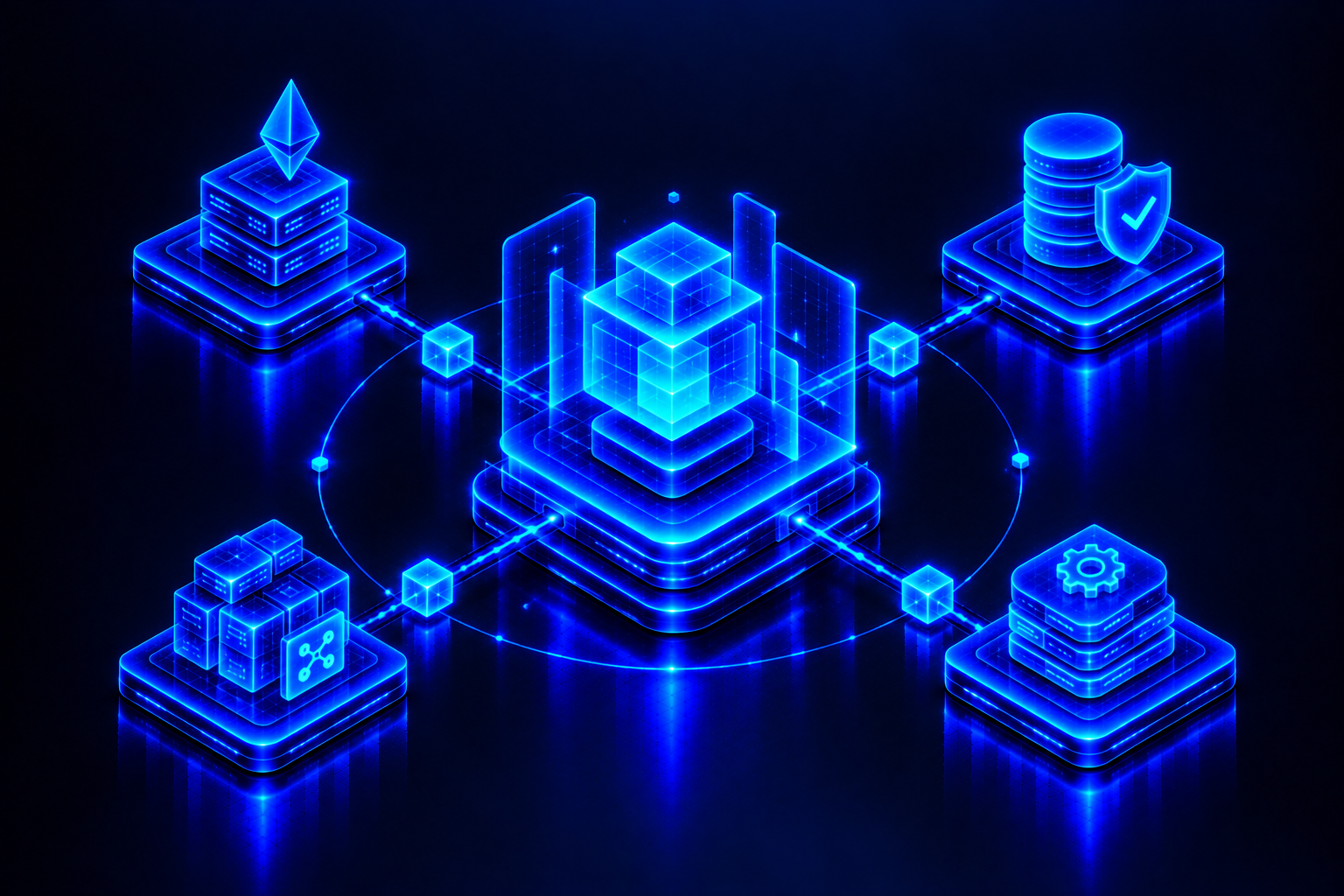
DeFi is built on blockchain technology, the same distributed database structure that supports various cryptocurrencies. Decentralized applications (dApps) within this blockchain handle transactions and uphold the integrity of the ledger.
Transactions are initially recorded in ‘blocks,’ then verified by the community. Once consensus is reached, the block is sealed and becomes a permanent part of the chain. This guarantees the security and integrity of all transaction history.
Key Advantages of DeFi
- Peer-to-Peer Transactions: Algorithms match borrowers to lenders, sidestepping traditional financial institutions.
- Accessibility and Affordability: DeFi is available to anyone with internet access and often offers better interest rates.
- Security and Transparency: Ensured by blockchain-based smart contracts and immutable transaction logs.
- Autonomy and Lower Risks: Operates independently of centralized financial systems, reducing systemic risks.
Final Thoughts
DeFi’s far-reaching implications could fundamentally change the financial landscape. With its many benefits, from reduced fees to increased accessibility, DeFi stands as a compelling alternative to traditional financial systems.