
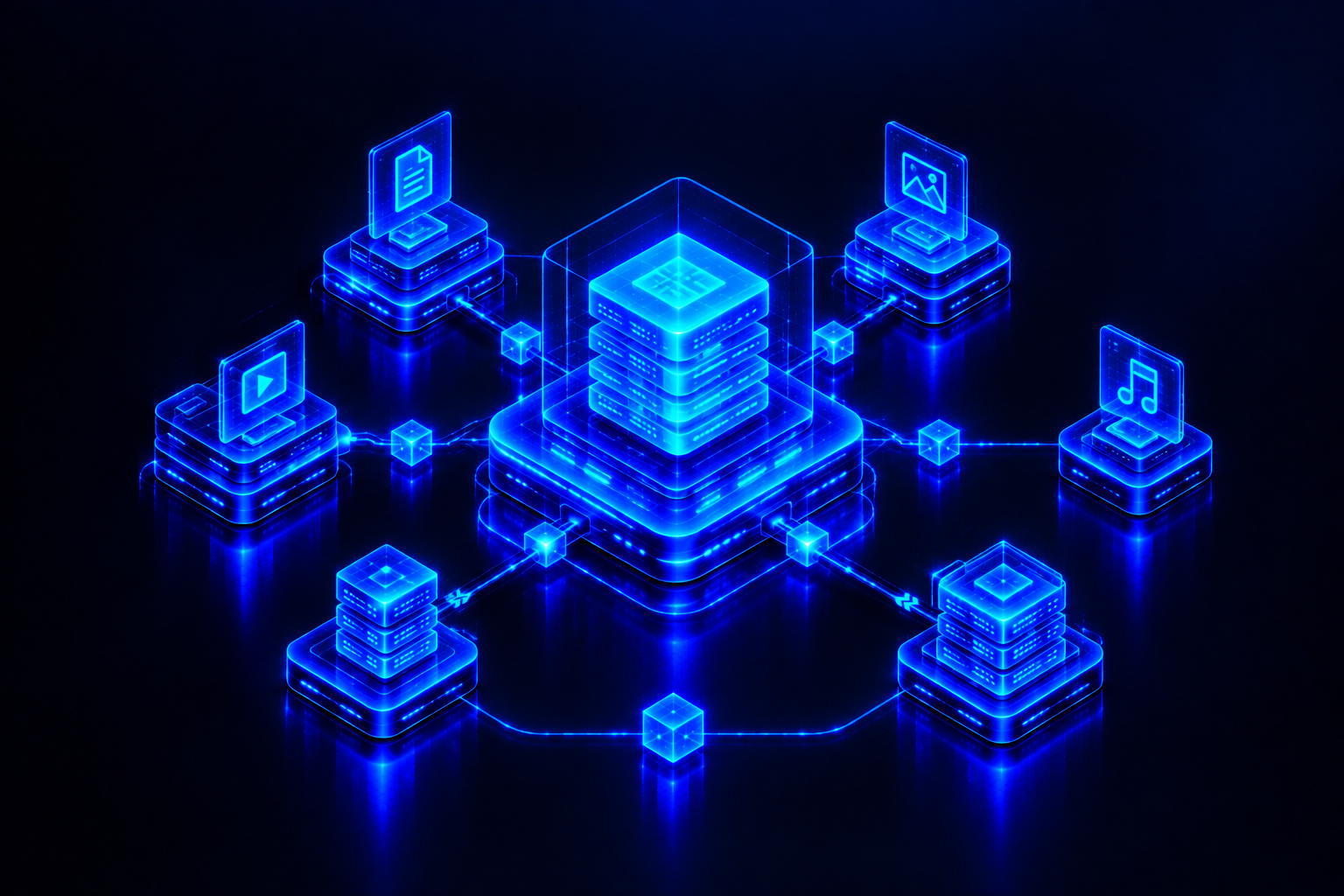
The modern internet depends heavily on centralized storage infrastructure.
Photos, documents, application data, and digital assets are typically stored on servers controlled by a relatively small number of companies.
This model provides convenience and scalability, but it also creates dependencies.
A centralized provider can control access to data, change storage policies, experience outages, or become a single point of failure.
Decentralized Storage offers a different approach.
Instead of keeping data within one centralized infrastructure, decentralized storage distributes information across a network of independent participants.
This creates a more resilient foundation for applications that require persistent, accessible, and censorship-resistant data.
What Is Decentralized Storage?
Decentralized Storage is a system where digital data is stored across multiple independent nodes rather than being controlled by a single centralized server or provider.
Data can be divided, replicated, encrypted, and distributed across a network.
Users can then retrieve their information through decentralized protocols instead of depending entirely on one company’s infrastructure.
The basic idea is simple:
One centralized server → a distributed network of storage providers
Why It Matters
1️⃣ Greater Resilience
Distributing data across multiple locations can reduce dependence on a single infrastructure provider.
2️⃣ Data Ownership
Users can maintain greater control over how their data is stored and accessed.
3️⃣ Censorship Resistance
Decentralized networks can make it more difficult for a single organization to unilaterally remove or block stored information.
4️⃣ Web3 Infrastructure
Decentralized storage provides an important foundation for applications that need data to remain accessible independently of a centralized platform.
How It Works
A decentralized storage system can involve several layers:
🔹 Data
The original file or information that a user wants to store.
🔹 Encryption & Fragmentation
Data can be encrypted and divided into smaller pieces before being distributed.
🔹 Storage Nodes
Independent participants store copies or fragments of the data across the network.
🔹 Content Addressing
Data can be identified through cryptographic identifiers rather than relying only on a traditional server location.
🔹 Retrieval Layer
When the data is needed, the network locates and reconstructs the required information.
This architecture allows storage to become a distributed service rather than a single centralized dependency.
Decentralized Storage vs. Blockchain Storage
It is important to distinguish decentralized storage from storing large files directly on a blockchain.
Blockchains are primarily designed for maintaining verifiable state and executing transactions.
Storing large amounts of raw data directly on-chain can be expensive and inefficient.
Decentralized storage networks solve a different problem.
They provide distributed infrastructure for storing larger datasets while blockchain networks can store references, ownership information, hashes, or other metadata related to that data.
This creates a powerful combination:
Blockchain for verification + decentralized storage for data
Use Cases
NFTs and Digital Assets
Decentralized storage can help preserve the media and metadata associated with blockchain-based assets.
Decentralized Applications
Web3 applications can store important resources without depending entirely on a centralized hosting provider.
Digital Archives
Long-term datasets and public information can be distributed across independent storage participants.
AI Infrastructure
Large datasets used by decentralized AI ecosystems can potentially be stored and accessed through distributed infrastructure.
User-Owned Data
Applications can provide users with greater control over where and how personal or application-specific data is stored.
The Role of Cryptography
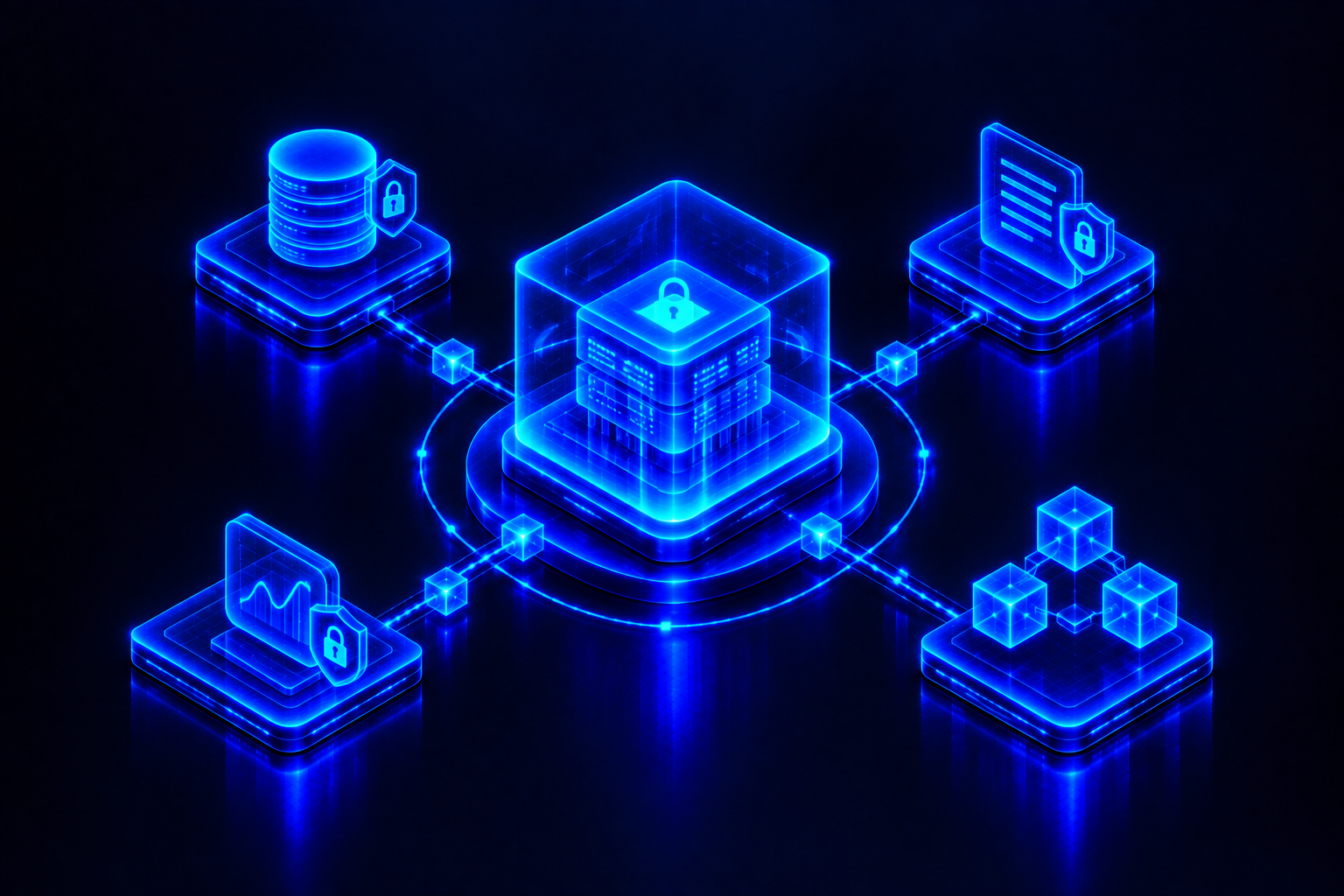
Cryptography plays an important role in decentralized storage.
Content identifiers, hashes, and encryption mechanisms can help verify that retrieved data corresponds to the expected information.
This is particularly important because storage providers may not be trusted individually.
Instead of simply asking:
“Can I trust this server?”
a decentralized system can ask:
“Can I cryptographically verify the data I received?”
This changes the trust model from infrastructure-based trust toward verification-based trust.
Challenges
Decentralized storage also faces several challenges:
- Long-term data persistence
- Retrieval speed
- Storage incentives
- Privacy
- Data availability
- Network reliability
- Cost efficiency
Distributing data does not automatically guarantee permanent availability.
The network still needs sustainable incentives that encourage storage providers to keep data accessible over time.
The Future of Data Infrastructure
As Web3 applications become more sophisticated, decentralized storage can become an important complement to blockchain networks.
Blockchains provide ownership, verification, and programmable rules.
Decentralized storage provides distributed access to the larger datasets that applications need.
Together, they can create an infrastructure where applications are less dependent on centralized servers and users have greater control over their digital information.
This could become increasingly important as digital assets, AI systems, decentralized applications, and user-owned data continue to grow.
The future is distributed:
data doesn’t need to live on one server to remain accessible—it can live across a network designed to keep it available, verifiable, and resilient.
Leave a Reply