
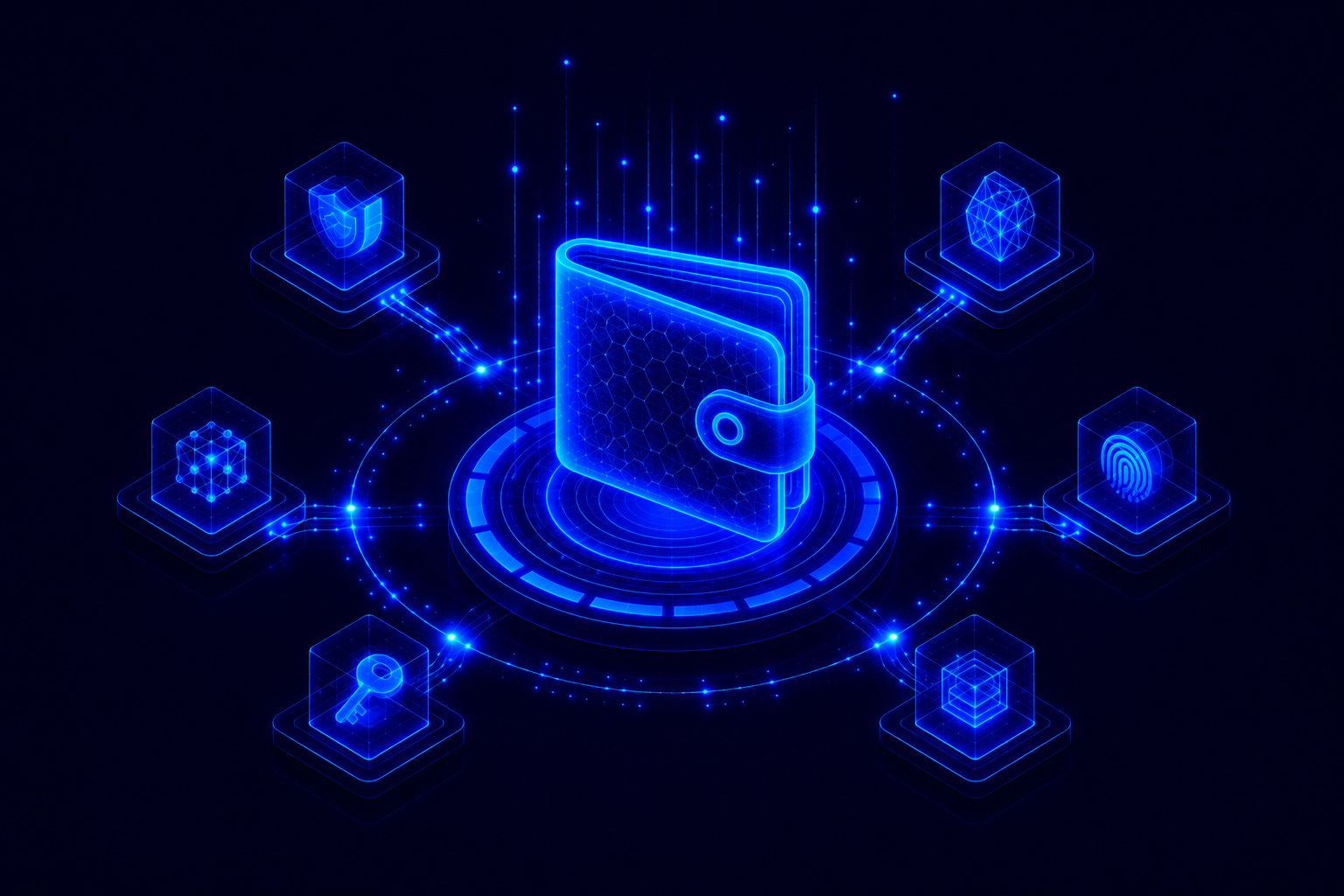
For many users, blockchain wallets remain one of the biggest barriers to entering Web3. Managing private keys, storing seed phrases, paying gas fees, and signing every transaction can feel overwhelming—especially for newcomers.
To make blockchain applications more accessible, developers are introducing a new concept known as Account Abstraction (AA).
Rather than forcing users to adapt to blockchain’s technical limitations, Account Abstraction brings blockchain accounts closer to the seamless experience people expect from modern digital applications.
What Is Account Abstraction?
Account Abstraction is a blockchain architecture that allows wallets to become programmable through smart contracts.
Instead of relying solely on traditional externally owned accounts (EOAs), users interact with smart accounts that support advanced features and customizable logic.
This transforms wallets from simple key holders into intelligent accounts capable of automating many blockchain interactions.
Why It Matters
Easier Onboarding
New users can create wallets without immediately managing complex recovery phrases.
Flexible Authentication
Accounts can support multiple authentication methods beyond a single private key.
Improved User Experience
Routine blockchain operations can be automated behind the scenes.
Enhanced Security
Programmable accounts enable stronger recovery options and customizable security policies.
How It Works
An Account Abstraction system typically includes several components:
🔹 Smart Accounts
Wallets operate as programmable smart contracts rather than simple externally owned accounts.
🔹 User Operations
Requests are submitted as high-level operations instead of traditional transactions.
🔹 Bundlers
Specialized infrastructure collects and submits user operations to the blockchain.
🔹 Paymasters
Third-party services can sponsor or manage transaction fees on behalf of users.
Together, these components create a more flexible and user-friendly blockchain experience.
Use Cases
Gasless Applications
Users interact with decentralized applications without directly paying transaction fees.
Social Recovery
Trusted contacts help restore wallet access if credentials are lost.
Subscription Payments
Recurring blockchain payments execute automatically.
Enterprise Wallets
Organizations define custom approval rules for team transactions.
Challenges
Despite its advantages, Account Abstraction introduces several technical considerations:
- Smart contract security
- Infrastructure complexity
- Standard adoption
- Compatibility across blockchain networks
- Wallet implementation consistency
As ecosystem support grows, these challenges are steadily being addressed.
The Future of Blockchain Wallets
The next generation of blockchain adoption depends not only on scalability but also on usability. Users expect applications to be intuitive, secure, and effortless to use.
Account Abstraction represents an important step toward that future by hiding much of blockchain’s complexity behind programmable infrastructure.
As Web3 continues to evolve, wallets may no longer feel like cryptographic tools—they will function as intelligent digital accounts designed around the needs of everyday users.
The future is user-centric:
people won’t adapt to blockchain wallets—blockchain wallets will adapt to people.



Leave a Reply