
Blockchain technology has transformed digital assets, but one of its most powerful opportunities lies beyond crypto-native use cases.
What if physical and traditional financial assets could exist on-chain?
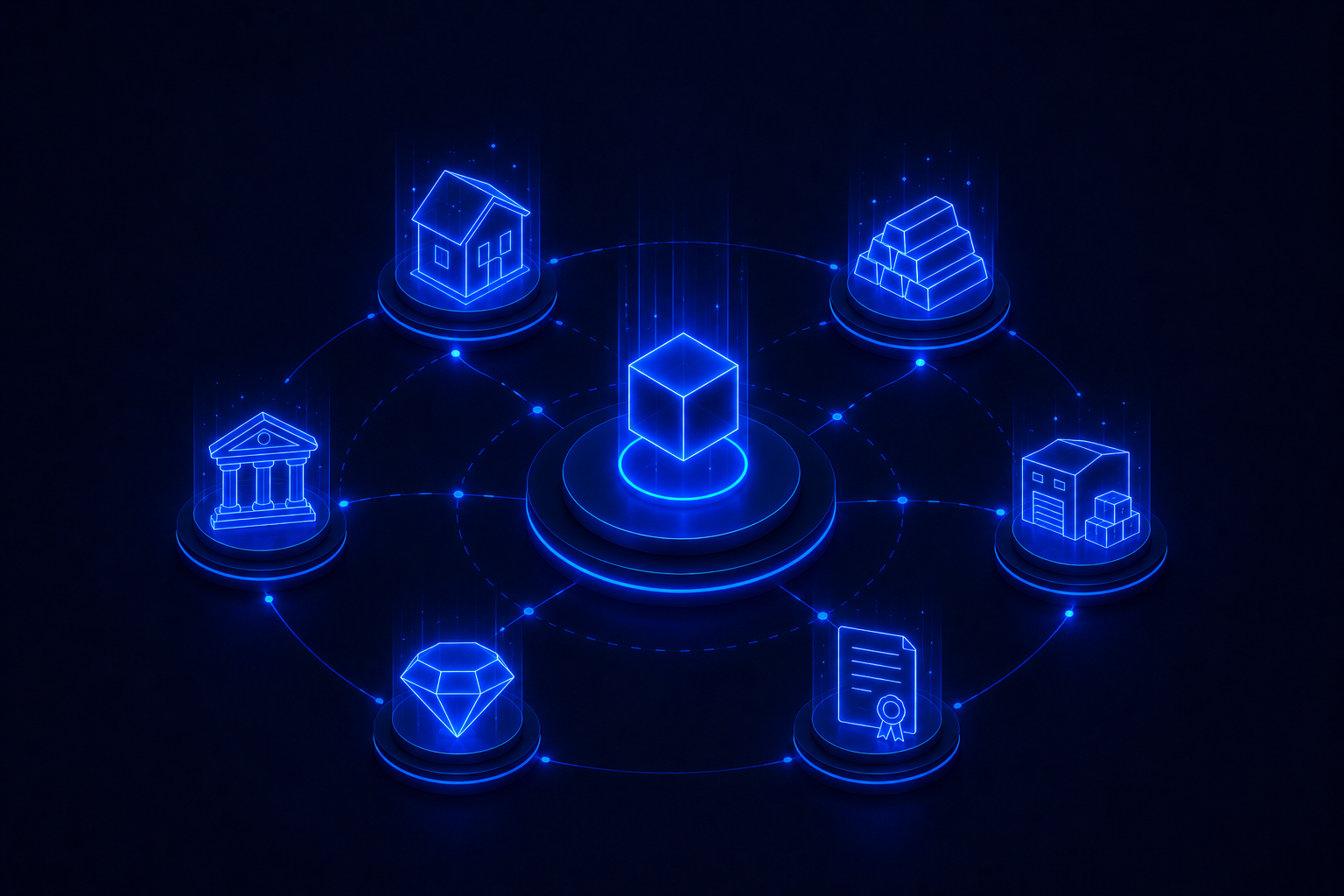
This is the idea behind Real-World Assets (RWA) — bringing assets like real estate, bonds, commodities, and invoices into the blockchain ecosystem.
What Are Real-World Assets (RWA)?
Real-World Assets are tokenized representations of physical or traditional financial assets on the blockchain.
These tokens reflect ownership or rights to underlying real-world value, enabling them to be traded, transferred, and managed digitally.
Examples include:
- Real estate properties
- Government bonds
- Commodities like gold
- Private credit and invoices
Why It Matters
Unlocking Liquidity
Illiquid assets can become tradable and accessible.
Global Access
Investors worldwide can participate in markets previously limited by geography.
Transparency
Blockchain provides clear records of ownership and transactions.
Efficiency
Reduces intermediaries and operational costs.
How It Works
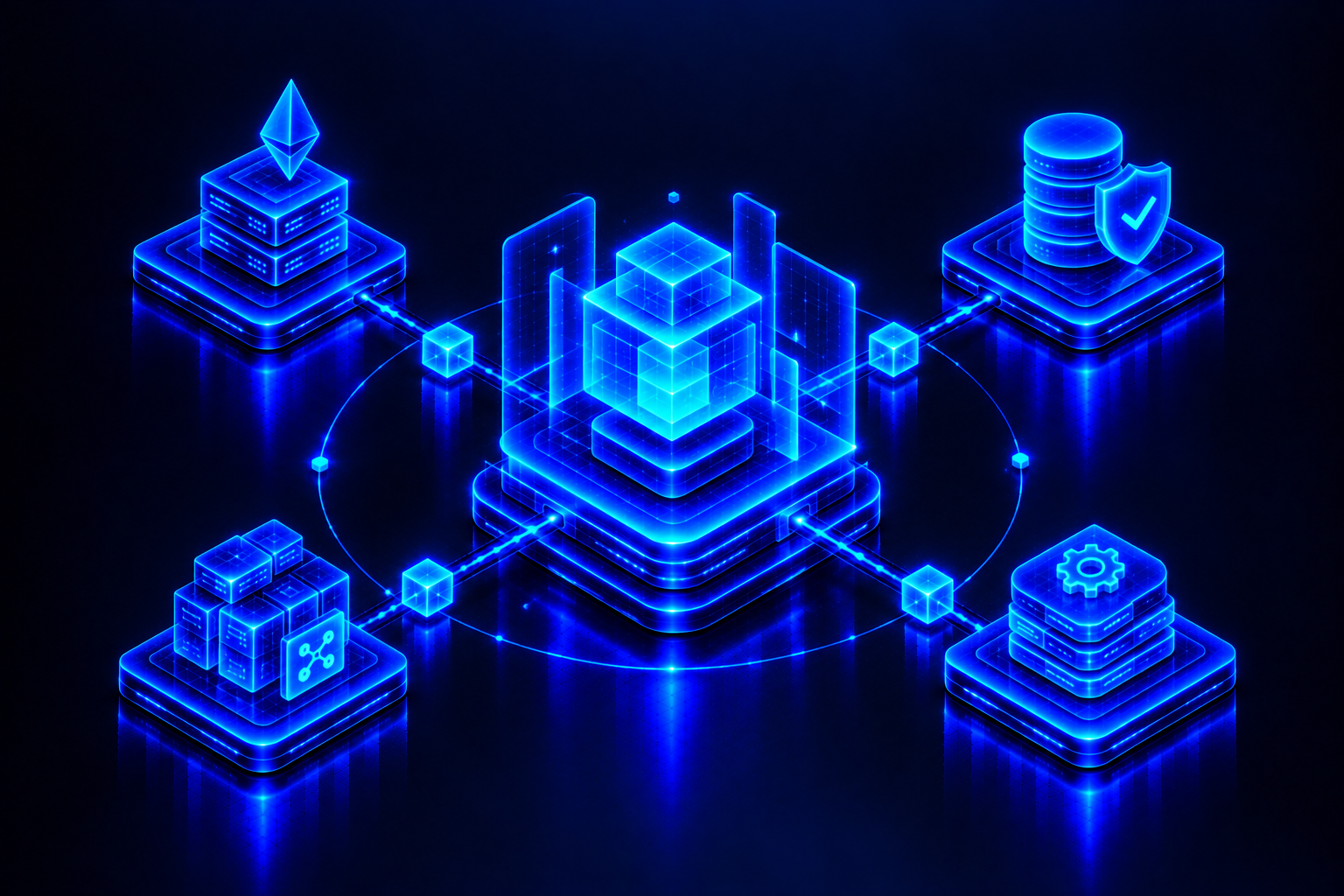
RWA systems combine blockchain with legal and financial frameworks:
Asset Tokenization
Real-world assets are converted into digital tokens.
Custody & Verification
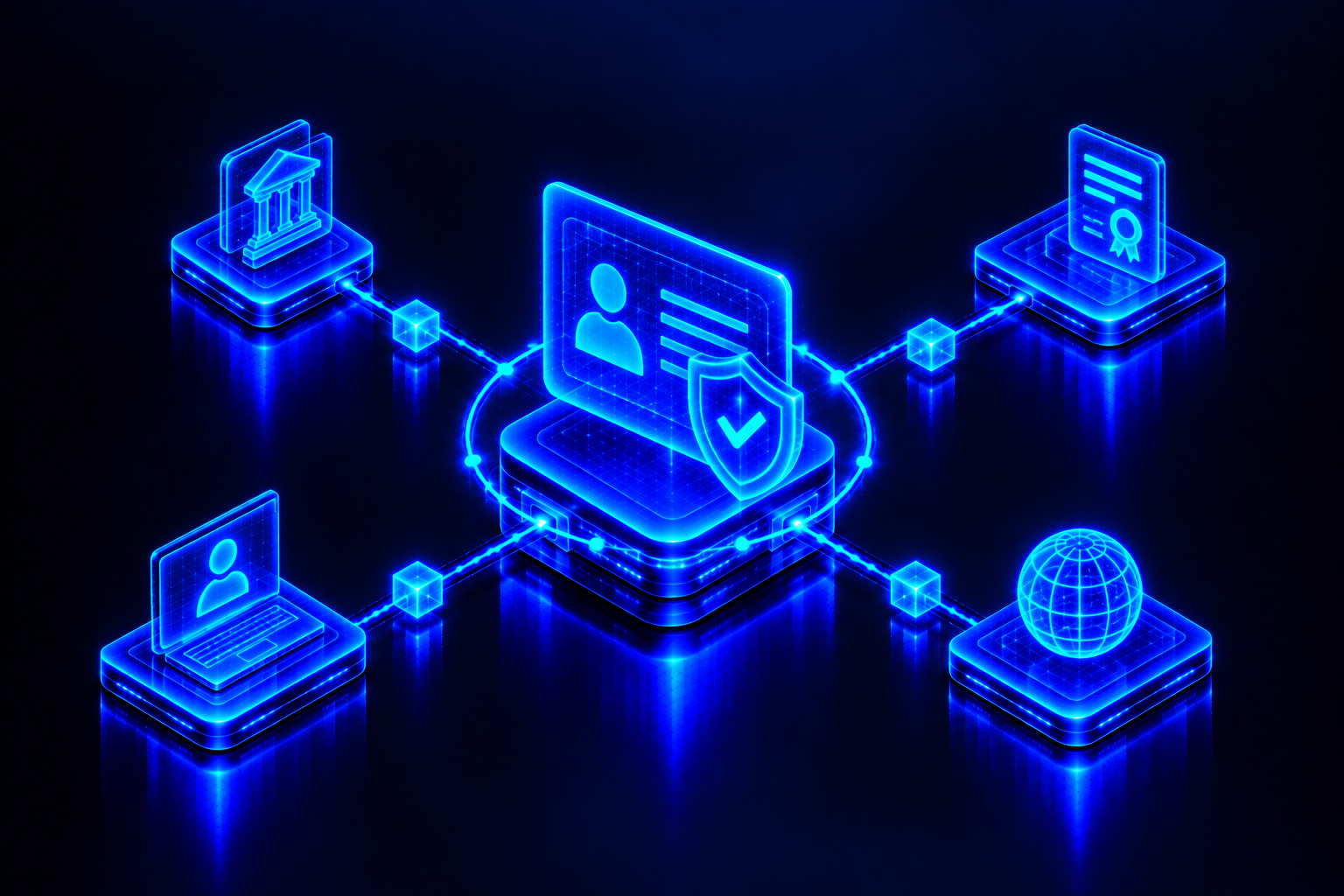
Trusted entities ensure the asset exists and is properly managed.
On-Chain Representation
Tokens are issued and managed on blockchain networks.
Compliance Layer
Regulatory requirements are embedded into the system.
Use Cases
Real Estate Investment
Fractional ownership of properties.
Tokenized Bonds
Faster issuance and settlement.
Supply Chain Finance
Tokenized invoices and trade financing.
Commodity Markets
Digital trading of physical assets like gold.
Challenges
RWA adoption comes with unique challenges:
- Regulatory complexity across jurisdictions
- Legal enforceability of tokenized ownership
- Dependence on off-chain verification
- Standardization of frameworks
The Future of Finance on Blockchain
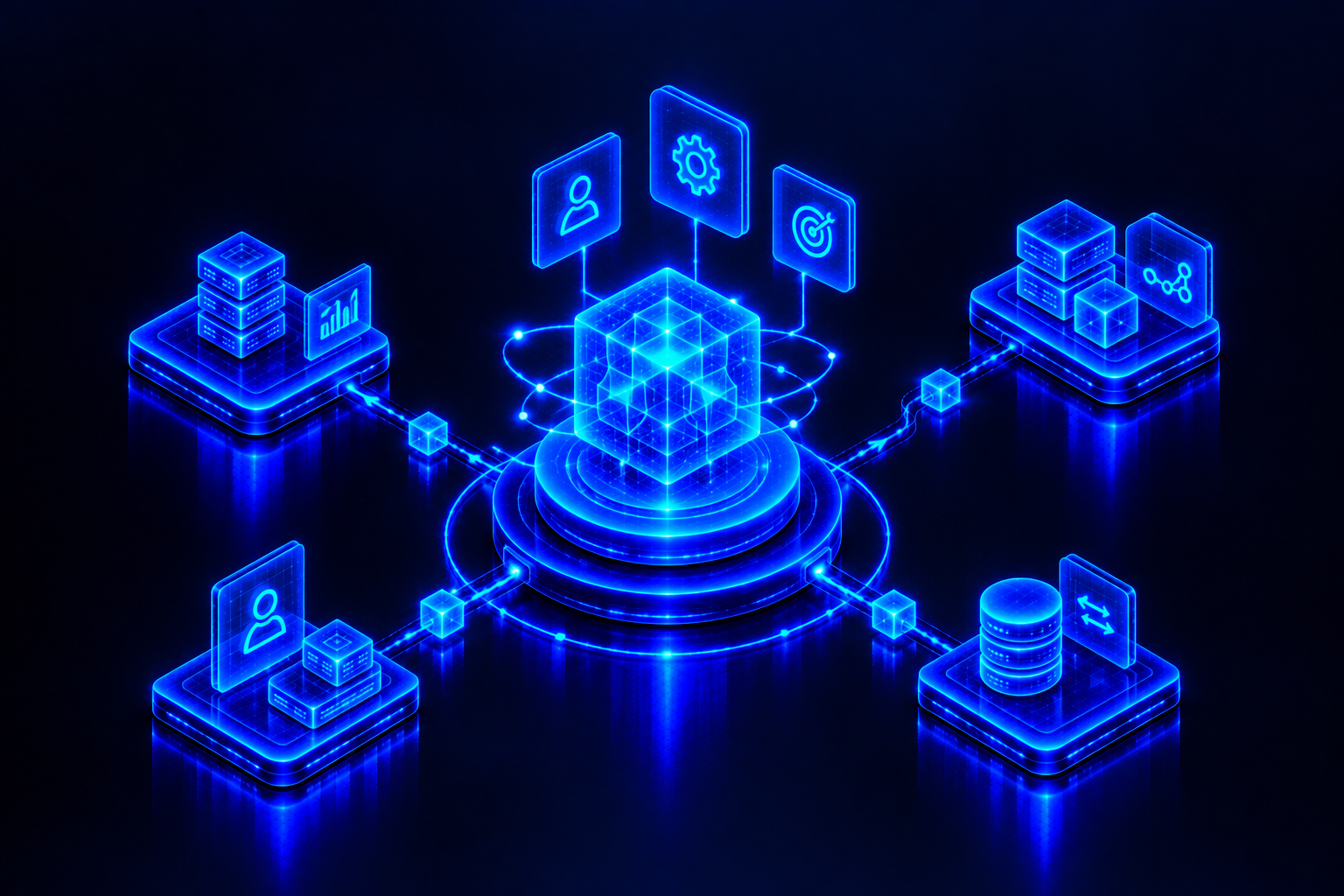
Real-World Assets are one of the strongest bridges between traditional finance and Web3. By bringing real value on-chain, they expand blockchain’s impact beyond digital ecosystems.
As infrastructure and regulation evolve, RWAs could unlock trillions of dollars in value — transforming how assets are owned, traded, and accessed globally.
The future is hybrid:
finance won’t be purely traditional or purely crypto — it will be seamlessly connected through tokenized real-world assets.
Leave a Reply