
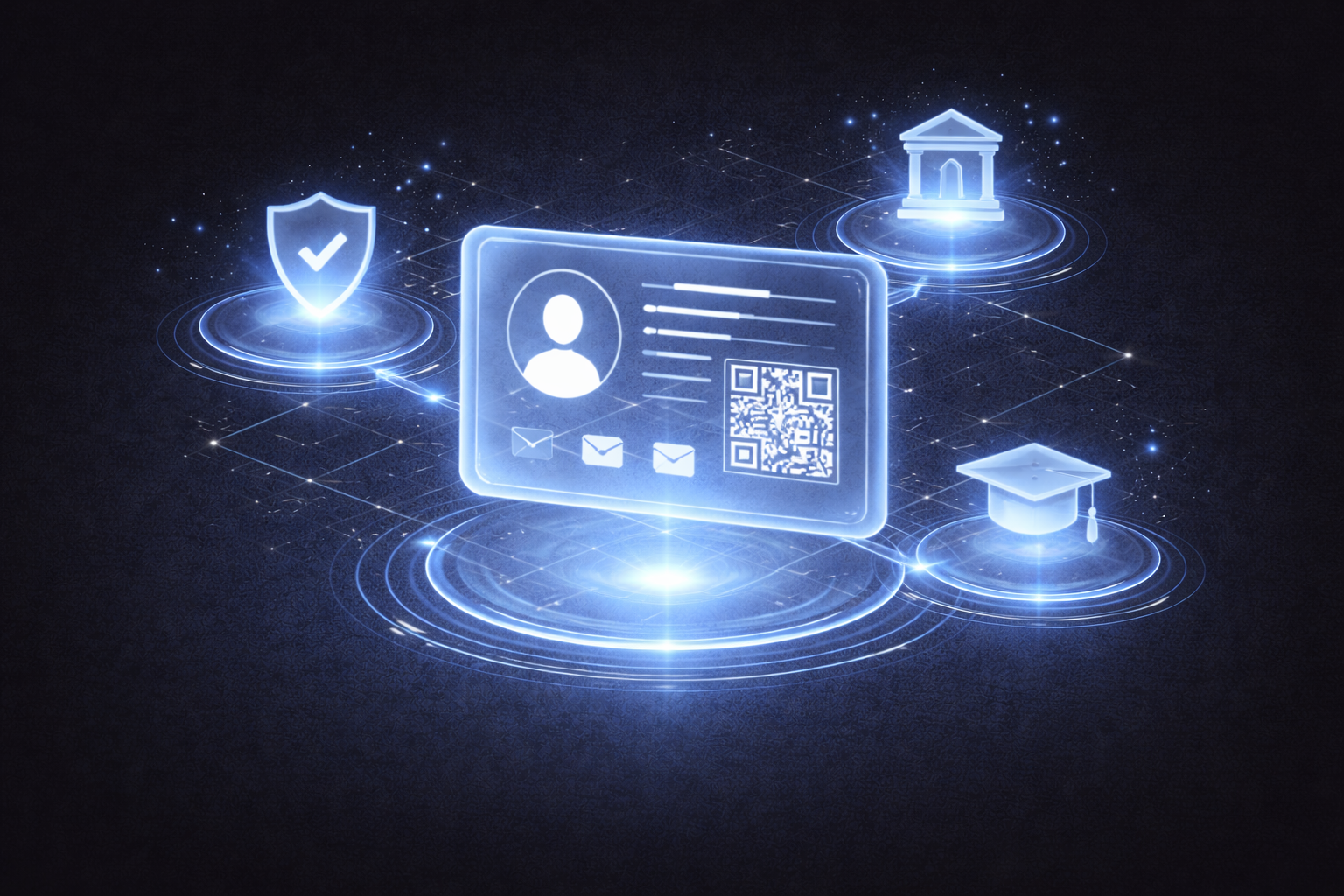
In today’s digital world, identity is fragmented across platforms, controlled by centralized entities, and often vulnerable to breaches. Users repeatedly share sensitive information with services that store and monetize their data, creating both privacy and security risks.
Decentralized Identity (DID) is emerging as a transformative solution — giving individuals control over their digital identity while enabling secure and verifiable interactions across the Web3 ecosystem.
What is Decentralized Identity?
Decentralized Identity is a system where individuals own and manage their identity without relying on centralized authorities.
Instead of storing personal data on company servers, DID allows users to:
- Control their identity credentials
- Share only necessary information
- Verify identity without exposing full data
- Use a single identity across multiple platforms
This is made possible through blockchain and cryptographic technologies.
Why It Matters
User Ownership
Individuals fully control their identity and personal data.
Enhanced Privacy
Only required information is shared, reducing unnecessary data exposure.
Improved Security
Decentralized storage reduces the risk of large-scale data breaches.
Seamless Experience
Users can interact across platforms without repeatedly creating accounts.
Core Components
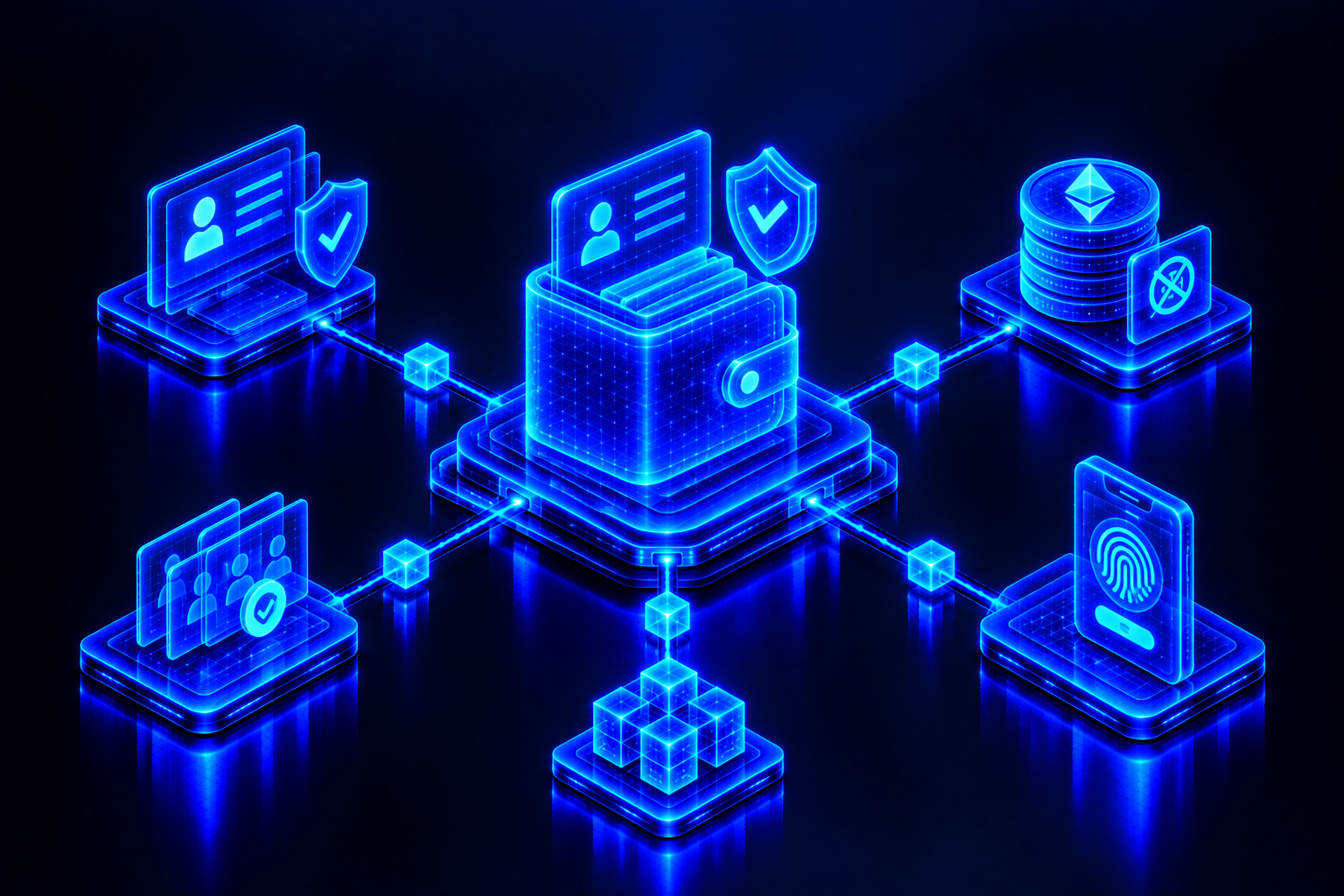
Decentralized Identifiers (DIDs)
Unique identifiers stored on blockchain, owned by users.
Verifiable Credentials (VCs)
Digitally signed credentials that prove identity attributes.
Identity Wallets
Secure applications where users manage their credentials.
Issuers & Verifiers
Entities that issue and validate credentials without controlling them.
Real-World Use Cases
Digital Authentication
Login to services without passwords.
KYC & Compliance
Share verified identity data with financial institutions securely.
Education Credentials
Store and verify degrees or certifications digitally.
Healthcare Access
Control and share medical identity securely across providers.
Challenges
While DID offers a promising future, there are still obstacles to overcome:
- Lack of global standards
- User education and adoption barriers
- Integration with existing systems
- Regulatory uncertainty
The Future of Digital Identity
Decentralized Identity represents a fundamental shift from platform-controlled identities to user-owned identities.
As Web3 evolves, identity will become a core layer of trust — enabling secure, private, and seamless interactions across digital ecosystems.
The future is moving toward a world where you don’t log into platforms — your identity interacts with them on your terms.

Leave a Reply